Smart Roads, Smarter Careers The Future of Traffic Safety Management

webmaster

교통안전관리사의 미래 전망 - Here are three detailed image generation prompts in English, designed to visualize concepts from the...

Oh, the open road! It’s something we all navigate daily, often without a second thought. But behind every safe journey, there’s a fascinating world of professionals working tirelessly to ensure our streets and highways are as secure as possible.

교통안전관리사의 미래 전망 관련 이미지 1

Lately, I’ve been diving deep into the evolution of careers that make this happen, particularly the Traffic Safety Manager role, and let me tell you, what I’ve discovered is truly eye-opening.

With rapid advancements in technology, from self-driving cars to smart city infrastructure, it’s clear that this isn’t your grandparent’s job market anymore.

The landscape is shifting dramatically, demanding new skills, innovative thinking, and a keen eye for leveraging cutting-edge tools. If you’ve ever wondered how these vital roles are adapting to our ever-changing world, and what the future truly holds, you’re in for a treat.

Let’s find out what the future truly holds for traffic safety professionals. Hey there, road safety enthusiasts! As someone who’s always got an eye on the pulse of evolving career paths, especially in areas that impact our daily lives, I’ve been absolutely fascinated by the trajectory of the Traffic Safety Manager role.

It’s a field that’s not just about managing traffic anymore; it’s rapidly transforming into something far more dynamic and technologically advanced. From what I’ve seen, this isn’t a stagnant job, but a continually evolving profession at the forefront of innovation.

We’re talking about a future where smart cities, autonomous vehicles, and artificial intelligence aren’t just buzzwords, but integral parts of keeping our roads safe and efficient.

This means the skills, challenges, and daily tasks for a Traffic Safety Manager are undergoing a massive upgrade, opening up some incredible, forward-thinking opportunities.

It’s truly exciting to imagine how these roles will shape our future commutes and overall urban planning. So, if you’re curious about how technology is rewriting the rulebook for these vital safety experts, and what it truly means for those looking to build a career in this space, you’ve come to the right place.

I’m excited to share some valuable insights I’ve gathered. Let’s delve deeper into this below to find out more. The role of a Traffic Safety Manager, or similar titles like Road Safety Officer or Transportation Safety Specialist, is becoming increasingly sophisticated.

Historically, these roles focused on traditional methods like developing educational programs, analyzing accident data, and implementing physical road safety measures.

However, the rise of advanced technologies is drastically reshaping these responsibilities. We’re seeing a pivot towards leveraging artificial intelligence (AI), machine learning, and advanced driver assistance systems (ADAS) to proactively detect hazards and prevent accidents.

Imagine systems that analyze real-time data from sensors and cameras to predict potential dangers, adapting vehicle performance or alerting drivers before a collision even has a chance to occur.

This kind of predictive capability is a significant shift, moving from reactive responses to proactive safety measures. The impact of autonomous vehicles (AVs) is perhaps the most talked-about trend.

While some worry about job displacement for drivers, the consensus is that AVs will create a demand for new roles, particularly in areas like cybersecurity, software engineering, AI specialization, fleet management, and AV maintenance.

Traffic safety professionals will increasingly focus on managing and integrating these complex systems into existing infrastructure, rather than just overseeing human drivers.

This involves understanding how AVs communicate with traffic signals, optimize routes to reduce congestion, and ultimately enhance overall road safety and urban mobility.

Cities are becoming “smarter,” and Traffic Safety Managers will be key players in designing and managing intelligent traffic systems (ITS) that integrate connected vehicles, advanced sensors, and data analytics to create more efficient and safer transportation networks.

My personal take is that for anyone considering a career in this field, or already in it, continuous learning and adaptability are absolutely paramount.

The industry demands a blend of technical skills, like data analysis and understanding AI algorithms, alongside traditional soft skills such as communication, problem-solving, and leadership.

I’ve observed that professionals who stay updated on smart city technologies, traffic modeling software, and regulatory changes will have a significant advantage.

The career path can be incredibly rewarding, offering opportunities to advance into transportation planning, civil engineering, or public administration, and make a tangible impact on public safety and urban development.

It’s not just about stopping accidents; it’s about building the safe and efficient transportation systems of tomorrow. I truly believe this evolution means that the role of a Traffic Safety Manager isn’t just surviving but thriving, becoming a more strategic and technologically driven position.

The demand for professionals who can navigate this complex, data-rich environment is only going to grow. For those with a passion for safety and an eagerness to embrace innovation, the future in this field looks incredibly bright, offering stable careers with substantial growth opportunities.

We’re on the cusp of truly transformative changes in how we manage traffic and ensure safety, and the people in these roles will be at the very heart of it.

If you’re as excited about these developments as I am, you’ll want to keep reading. Let’s explore exactly what it takes to excel in this groundbreaking career!

Beyond the Stop Sign: Embracing Next-Gen Traffic Solutions

From Reactive Measures to Proactive Strategies

It’s truly incredible to see how the very core of traffic safety has evolved, isn’t it? For so long, the focus was primarily reactive – analyzing accident data after the fact, identifying black spots, and then implementing changes like adding a new traffic light or re-timing signals.

And don’t get me wrong, those traditional methods were, and still are, absolutely vital. However, what I’ve observed recently is a monumental shift towards proactive measures, powered by technology.

We’re moving into an era where artificial intelligence and machine learning aren’t just buzzwords in tech articles but practical tools that traffic safety managers are wielding to predict potential hazards before they even materialize.

Imagine systems that can ingest real-time data from countless sources – everything from traffic cameras and road sensors to even weather patterns – and then use that information to foresee congested areas or high-risk intersections.

This allows professionals to intervene *before* an incident occurs, perhaps by dynamically rerouting traffic or adjusting speed limits automatically. It’s about being several steps ahead, and frankly, it’s thrilling to witness this transformation firsthand.

This shift means less scrambling after a crash and more strategic planning to prevent one, making our daily journeys smoother and significantly safer for everyone.

Leveraging Data for Smarter Roadways

When I talk about data, I’m not just referring to old accident reports anymore. We’re talking about a torrent of information: vehicle speeds, pedestrian movements, cyclist counts, even anonymous aggregated smartphone data showing origin-destination patterns.

For a Traffic Safety Manager, this ocean of data is their new superpower. Tools that can sift through this information, identify correlations, and highlight anomalies are becoming indispensable.

I’ve personally seen how visualizing these complex datasets can unlock insights that were impossible to glean through manual observation alone. It allows for the identification of subtle patterns in traffic flow or pedestrian behavior that might contribute to accidents, leading to targeted interventions that are far more effective than broad-stroke changes.

This isn’t just about making roads safer; it’s about making them smarter and more efficient, optimizing everything from commute times to emergency response routes.

And honestly, for someone who loves problem-solving, diving into this data is like being a detective with an incredibly powerful magnifying glass, revealing hidden truths about how our transportation systems truly operate and where we can make the most impactful improvements.

Navigating the Digital Highway: Data, AI, and Predictive Safety

The Rise of Artificial Intelligence in Accident Prevention

It’s no secret that Artificial Intelligence is revolutionizing nearly every industry, and traffic safety is certainly no exception. What excites me most is its potential to move beyond simply recording data to actually *understanding* it and making predictions.

We’re seeing AI models that can analyze video feeds from intersections to detect near-misses, identifying specific maneuvers or environmental factors that repeatedly lead to dangerous situations.

This isn’t theoretical; I’ve heard from colleagues who are already implementing pilot programs where AI-powered cameras alert them to sudden braking events or erratic driving patterns in real-time.

Think about the power of knowing that a particular stretch of highway experiences a spike in risky lane changes every Tuesday morning during rush hour, allowing for targeted enforcement or immediate signage adjustments.

This kind of granular, predictive insight is a game-changer, fundamentally altering how we approach road safety from a reactive measure to a proactive, intelligent system.

It truly feels like we’re stepping into the future of urban planning, where technology serves as a vigilant guardian of our roadways, constantly learning and adapting to keep us all safer.

Machine Learning’s Role in Optimizing Traffic Flow

Beyond just preventing accidents, machine learning algorithms are proving invaluable in optimizing the sheer flow of traffic, which, let’s be honest, is a huge part of overall safety and public well-being.

Congestion isn’t just frustrating; it leads to more stop-and-go situations, which in turn increase the likelihood of fender benders and aggressive driving.

What I’ve seen is that ML models can learn from historical traffic patterns and real-time conditions to dynamically adjust traffic light timings across an entire city grid.

This isn’t just a pre-programmed sequence; it’s an intelligent system that adapts to unexpected events like accidents, construction, or sudden increases in pedestrian traffic.

The result? Smoother commutes, reduced idle times, and fewer frustrating moments that can lead to risky driving behaviors. It’s like having an incredibly intelligent, always-learning traffic conductor for an entire metropolitan area, making split-second decisions that benefit everyone on the road.

From my own observations, when traffic flows well, people tend to be calmer and more attentive, which naturally contributes to a safer environment for all, ultimately enhancing the quality of life for urban residents.

Advertisement

The Autonomous Age: New Responsibilities for Road Safety Pros

Integrating Autonomous Vehicles into Existing Infrastructure

Okay, let’s talk about the elephant in the room – autonomous vehicles (AVs). When self-driving cars were just a futuristic concept, many wondered if they’d eliminate the need for human oversight in traffic management.

My take? It’s quite the opposite! AVs introduce an entirely new layer of complexity and, consequently, new and fascinating responsibilities for traffic safety managers.

It’s not just about managing human drivers anymore; it’s about understanding how these highly sophisticated machines interact with each other, with human-driven cars, and with the physical and digital infrastructure around them.

Imagine the challenge of ensuring seamless communication between an AV and a smart traffic light, or how an entire fleet of autonomous buses integrates into a city’s public transport network.

This means professionals in this field need to be proficient in areas like vehicle-to-infrastructure (V2I) and vehicle-to-vehicle (V2V) communication protocols, understanding cybersecurity risks associated with connected vehicles, and developing new regulatory frameworks.

It’s truly a fascinating frontier, demanding a blend of engineering know-how, policy insight, and a keen eye for how technology impacts human behavior.

Addressing the Human-Machine Interface and Public Perception

While AVs promise significant safety benefits by eliminating human error, there’s still a critical “human factor” at play, especially during this transition period.

Traffic safety managers will increasingly find themselves at the intersection of technology and public education. How do we build public trust in autonomous technology?

How do we educate drivers and pedestrians about safely interacting with AVs? These are crucial questions, and from my experience, clear communication and robust public engagement strategies are key.

It’s not just about the tech working; it’s about people understanding and accepting it. This might involve developing new public awareness campaigns, collaborating with AV manufacturers on testing and deployment strategies, or even designing specific road markings and signage that are universally understood by both human drivers and autonomous systems.

The goal is to ensure that as our roads become more automated, the human element isn’t overlooked, and the transition is as smooth and safe as possible for everyone involved.

It’s a complex puzzle, but one that offers immense satisfaction when you see tangible positive results in community safety and widespread adoption.

Smart Cities, Smarter Safety Managers: Integrating Connected Infrastructure

Designing and Managing Intelligent Transportation Systems (ITS)

The concept of a “smart city” is really coming into its own, and at its heart are Intelligent Transportation Systems (ITS). For traffic safety managers, this means moving beyond individual intersections and thinking about the entire urban ecosystem as one interconnected entity.

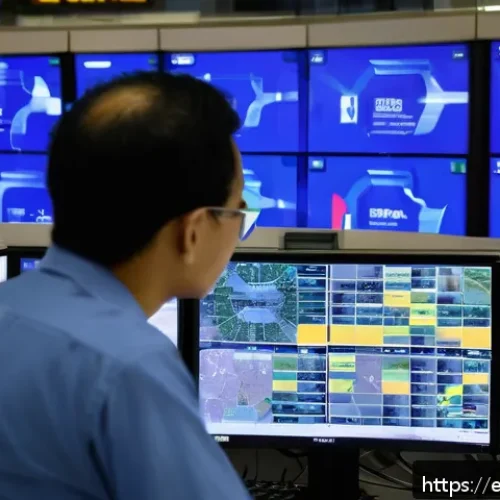
I’ve seen firsthand how cities are integrating advanced sensors, real-time cameras, and sophisticated software platforms to create a truly responsive transportation network.

교통안전관리사의 미래 전망 관련 이미지 2

These systems can do everything from optimizing public transit routes based on real-time demand to alerting emergency services to accidents almost instantaneously.

The role now involves not just managing traffic, but designing and overseeing the *systems* that manage traffic. This requires a deep understanding of network architecture, data analytics, and often, collaboration with urban planners, civil engineers, and even utility providers.

It’s about orchestrating a symphony of technology to ensure that people and goods can move safely and efficiently through our urban landscapes. Honestly, working in this space feels less like a traditional traffic job and more like being a conductor of a futuristic urban orchestra, constantly tuning and refining performance for optimal safety and efficiency.

Cybersecurity: The New Frontier in Road Safety

With all this interconnectedness and reliance on digital systems, a new and absolutely critical challenge has emerged: cybersecurity. What happens if a city’s traffic management system is hacked?

Or if autonomous vehicles become vulnerable to cyberattacks? This isn’t just theoretical; it’s a very real concern that traffic safety professionals must now grapple with.

From my perspective, understanding the basics of cybersecurity, identifying potential vulnerabilities in ITS infrastructure, and implementing robust protective measures are rapidly becoming non-negotiable skills.

This could involve everything from securing data transmissions between sensors and control centers to ensuring that software updates for connected vehicles are tamper-proof.

It’s about protecting the digital backbone of our transportation networks, ensuring that malicious actors can’t disrupt services, compromise safety, or steal sensitive data.

This is an area where continuous learning is paramount, as the threats are constantly evolving. It’s a bit like being a digital guardian for our roads, and it’s a responsibility that demands constant vigilance and proactive defense mechanisms to maintain the integrity and safety of our systems.

Advertisement

Upskilling for the Future: Essential Tools and Mindsets

Data Literacy and Analytical Prowess

If there’s one skill I can emphasize as absolutely crucial for any aspiring or current traffic safety manager, it’s data literacy. We’re awash in data, but raw data is just noise without the ability to interpret it.

I’ve noticed that those who excel in this evolving field aren’t just collecting information; they’re asking the right questions of it, using statistical tools and data visualization software to uncover actionable insights.

This means understanding how to use Geographic Information Systems (GIS) to map accident hotspots, employing predictive modeling to forecast congestion, and leveraging business intelligence dashboards to monitor performance metrics.

It’s about being comfortable with numbers, yes, but more importantly, it’s about being able to tell a story with those numbers – a story that leads to safer roads.

If you’re not yet comfortable with spreadsheets, databases, or basic statistical concepts, now is absolutely the time to dive in. It’s a skill set that will pay dividends across nearly every facet of this profession, enabling you to make data-driven decisions that truly move the needle on safety and efficiency.

Embracing Interdisciplinary Collaboration and Policy Acumen

Another major shift I’ve observed is the increasing need for interdisciplinary collaboration. Gone are the days when a traffic safety manager operated in a silo.

Today, success hinges on working seamlessly with urban planners, civil engineers, public health officials, technology developers, and even legal experts.

I’ve found that effective communication and the ability to bridge gaps between different professional languages are incredibly valuable. Furthermore, staying abreast of evolving regulations, local ordinances, and national transportation policies is critical.

As technology advances, so too do the legal and ethical frameworks surrounding its deployment. Understanding policy implications, participating in the drafting of new guidelines, and advocating for sensible regulations are all part of the modern role.

It’s about being a well-rounded professional who understands both the technical nuts and bolts and the broader societal and regulatory context in which they operate, becoming a true leader in shaping the future of our transportation systems.

Career Crossroads: Pathways and Opportunities in a Dynamic Field

Diverse Roles Emerge in Transportation Safety

It’s truly exciting to consider the breadth of career opportunities opening up within the traffic safety landscape. What was once a fairly defined path now branches out into numerous specialized areas, reflecting the technological advancements we’ve been discussing.

I’ve seen professionals transition from traditional traffic engineering roles into positions like Smart City Transportation Planners, focusing on integrating various urban systems.

Others are finding niches in Autonomous Vehicle Safety Oversight, ensuring the safe deployment and operation of self-driving fleets. There are also growing demands for Data Analysts specializing in transportation, using complex algorithms to predict and prevent incidents, and even roles in Public Policy and Advocacy to shape the future of transportation legislation.

This diversity means that individuals with a wide range of skills – from technical prowess to strong communication and policy analysis – can find a rewarding place in this evolving field.

It’s truly a dynamic sector with ample room for growth and specialization, and if you have a passion for making a real difference, you’ll find a path that fits and allows you to contribute meaningfully.

Mapping Your Future in Traffic Safety

For anyone looking to dive into this space, or perhaps pivot their existing career, I’ve put together a little overview of some key areas and the skills that are becoming increasingly essential.

This isn’t exhaustive, of course, but it gives you a good starting point for what to consider if you’re aiming to make an impact.

Emerging Role Key Responsibilities Essential Skills & Knowledge
Smart City Transportation Planner Designing integrated urban mobility systems; overseeing ITS deployment; coordinating with city departments. Urban planning, GIS, data analytics, project management, policy development, stakeholder engagement.
Autonomous Vehicle Safety Specialist Developing and implementing safety protocols for AVs; risk assessment; regulatory compliance; testing and validation. Robotics, AI/ML, cybersecurity, systems engineering, regulatory affairs, ethical considerations.
Traffic Data Scientist/Analyst Collecting, processing, and analyzing large datasets to identify patterns and predict safety risks; developing predictive models. Statistical analysis, Python/R, machine learning, data visualization, database management, cloud computing.
Transportation Policy & Advocacy Officer Shaping new legislation and standards; advocating for safety initiatives; engaging with government and industry. Legal research, policy analysis, lobbying, public relations, communication, negotiation.
Connected Infrastructure Engineer Designing and maintaining V2X communication systems; deploying smart sensors and roadside units. Telecommunications, network engineering, IoT, cybersecurity, civil engineering principles.

This table really drives home the point that the future of traffic safety isn’t just about one type of job; it’s about a spectrum of highly specialized and interconnected roles.

Each one plays a vital part in building the safer, smarter transportation networks we all need and deserve, offering incredibly diverse avenues for passionate professionals.

Advertisement

Making an Impact: Why This Role Matters More Than Ever

Contributing to Community Well-being and Economic Vitality

At the end of the day, beyond all the fascinating technology and complex data, what truly stands out about the Traffic Safety Manager role is its profound impact on real lives.

I genuinely believe that few professions offer such a direct opportunity to contribute to public well-being. Every decision, every system implemented, every policy advocated for, has a ripple effect that touches countless individuals daily.

Safer roads mean fewer accidents, fewer injuries, and fewer fatalities, reducing the immense emotional and economic toll on families and communities. But it’s more than just preventing harm; it’s also about fostering economic vitality.

Efficient traffic flow means businesses can operate more smoothly, commuters can get to work on time, and goods can be transported more effectively. It literally keeps the wheels of our economy turning.

From my own perspective, knowing that your work contributes to making someone’s commute safer or ensures that emergency services can respond faster is an incredibly powerful and motivating factor.

It’s a job that truly gives back, far beyond any paycheck, offering a deep sense of purpose and genuine community service.

A Future Shaped by Innovation and Dedicated Professionals

As we look ahead, I’m genuinely optimistic about the future of traffic safety. We’re living through an era of unprecedented technological innovation, and it’s exciting to see how these advancements are being harnessed for the greater good.

The dedicated professionals in this field, the traffic safety managers of today and tomorrow, are not just adapting to change; they are actively shaping it.

They are the architects of safer, more sustainable, and more efficient transportation systems. They are the ones translating complex data into actionable strategies, integrating cutting-edge technology into everyday infrastructure, and building bridges between policy and practice.

If you’re passionate about making a tangible difference, if you thrive on problem-solving, and if you’re eager to be at the forefront of urban innovation, then this field truly offers an incredibly bright and fulfilling future.

It’s a chance to be part of something bigger, to leave a lasting legacy of safety and progress for generations to come, and to truly be a pioneer in the way we interact with our world.

Wrapping Things Up

As we navigate this exciting new era, it’s truly inspiring to see how traffic safety management is transforming from reactive measures to proactive, intelligent strategies. From what I’ve observed, the integration of data, AI, and connected infrastructure isn’t just about buzzwords; it’s about creating tangible improvements in our daily lives, making our commutes smoother, and most importantly, our roads safer for everyone. The dedication of professionals in this field, adapting to cutting-edge technologies and fostering collaboration, is what truly drives this progress, ensuring a brighter, more secure future for our transportation systems.

Advertisement

Handy Info You’ll Want to Bookmark

1. Continuous Learning is Your Superpower: The pace of technological change in traffic safety is astonishing. I’ve found that staying curious and committing to lifelong learning—whether through online courses, industry webinars, or conferences—is absolutely vital to staying ahead and truly making an impact. Embrace new tools and concepts, and don’t be afraid to dive into areas like AI ethics or V2X communication protocols.

2. Data Isn’t Just Numbers, It’s Narratives: Raw data can feel overwhelming, but when you learn to analyze it and visualize it effectively, it tells incredibly compelling stories. My personal experience has shown that mastering data analytics allows you to uncover hidden patterns and justify proactive safety measures with undeniable evidence. It’s about transforming data into actionable insights that genuinely save lives.

3. Embrace Collaboration, Break Down Silos: One of the biggest lessons I’ve learned is that no single entity can solve complex traffic challenges alone. Effective solutions often emerge from diverse teams working together—city planners, engineers, tech developers, public health experts. Building strong relationships and fostering open communication channels has been crucial in every successful project I’ve been involved with.

4. Cybersecurity is Non-Negotiable: As our transportation systems become increasingly digital and connected, I cannot stress enough the importance of cybersecurity. Think of it as the invisible shield protecting our smart infrastructure. Understanding basic cybersecurity principles and advocating for robust defenses is no longer optional; it’s a fundamental responsibility for anyone in this field.

5. Advocate for Public Trust and Education: With the rise of autonomous vehicles and smart technologies, public perception and trust are paramount. From my perspective, clear, consistent communication and proactive public education campaigns are essential to ensure that communities understand and embrace these advancements. It’s about bringing people along on the journey, not just implementing technology.

Key Takeaways for the Road Ahead

In wrapping up our journey through the evolving landscape of traffic safety, it’s crystal clear that we are at an exciting crossroads. The shift from reactive incident response to proactive, predictive accident prevention, driven by AI, machine learning, and vast datasets, is fundamentally reshaping how we approach road safety. This transformation isn’t merely about adopting new gadgets; it demands a new breed of professionals—individuals who are data-literate, technologically adept, and masters of interdisciplinary collaboration. From integrating autonomous vehicles seamlessly into our cities to fortifying our digital infrastructure against cyber threats, the challenges are significant, but so are the opportunities to make a profound, lasting impact. Ultimately, the future of traffic safety is bright, powered by innovation and the unwavering dedication of those who strive to build safer, smarter, and more efficient transportation systems for generations to come. It’s a field rich with purpose and constant evolution, truly a rewarding path for anyone passionate about improving community well-being.

Frequently Asked Questions (FAQ) 📖

Q: What are the most crucial new skills a Traffic Safety Manager needs to master in this rapidly changing landscape?

A: Oh, this is such a fantastic question, and one I hear a lot! It really gets to the heart of what it means to succeed in this evolving field. From what I’ve personally observed and heard from folks already rocking these roles, it’s not just about traditional traffic engineering anymore.
The game has changed, and frankly, it’s gotten a whole lot more exciting! First off, data literacy and analytical skills are absolutely non-negotiable.
Think about it: we’re swimming in data from sensors, connected vehicles, and smart infrastructure. You need to be able to not just look at it, but truly understand what it’s telling you – spotting patterns, predicting hazards, and making data-driven decisions.
It’s like being a detective, but your clues are gigabytes of information! Secondly, a solid grasp of emerging technologies is key. I’m talking about understanding the basics of AI, machine learning, and how autonomous vehicles actually function.
You don’t need to be a coding genius, but knowing the capabilities and limitations of these tools will allow you to leverage them effectively. I’ve found that professionals who can speak the language of both traffic management and tech are the ones truly making waves.
Lastly, and this might surprise some, adaptability and continuous learning are perhaps the most vital “soft skills.” This field is literally reinventing itself every few years.
What’s cutting-edge today might be standard tomorrow. Those who are curious, open to new ideas, and committed to constantly updating their knowledge base are the ones who will not just survive, but truly thrive.
It’s a journey, not a destination, and embracing that mindset is a huge part of the recipe for success!

Q: How exactly will smart cities and autonomous vehicles impact the daily responsibilities of a Traffic Safety Manager?

A: This is where things get really fascinating, and honestly, a bit like science fiction coming to life! When I talk to people in the industry, the consensus is clear: the daily grind for a Traffic Safety Manager is getting a major upgrade.
Gone are the days when it was primarily about manual observations and basic infrastructure planning. With smart cities and autonomous vehicles (AVs) becoming more prevalent, I envision a shift from reactive problem-solving to proactive, predictive safety management.
Imagine spending your day analyzing real-time data from countless sensors embedded in roads, traffic lights, and even connected cars to predict congestion hotspots or accident-prone areas before they even occur.
You’d be less of a traffic cop and more of a system architect, designing and fine-tuning intelligent traffic systems (ITS) that communicate seamlessly with AVs.
My gut feeling tells me a lot of time will be dedicated to integrating and managing complex digital systems, ensuring cybersecurity protocols are robust for AV fleets, and interpreting the vast amounts of data these systems generate.
You’ll be coordinating with urban planners, software engineers, and even ethical AI specialists. It’s less about drawing lines on a map and more about designing the digital nervous system of a city’s transportation network.
It truly transforms the role into one that’s far more strategic and technologically driven, focusing on optimizing the entire flow and safety of a city rather than just isolated incidents.

Q: Is a career in traffic safety still a good long-term choice, given all these technological disruptions, and what does the career path look like?

A: Absolutely! And honestly, if you ask me, it’s becoming an even better long-term choice than ever before! I know some folks might worry that technology could make human roles obsolete, but what I’ve seen is quite the opposite.
These advancements aren’t eliminating the need for Traffic Safety Managers; they’re elevating the role and making it more indispensable. We’re talking about building the transportation systems of the future, and that’s a massive, ongoing undertaking that demands human expertise and oversight.
The long-term career outlook is incredibly strong, offering stability and significant growth opportunities. Your career path could start as a Traffic Safety Analyst, perhaps moving into a Project Manager role for smart city initiatives, or even specializing in areas like autonomous vehicle integration or transportation policy.
Many professionals I know have transitioned into leadership roles within municipal transportation departments, federal agencies, or even private companies specializing in intelligent transportation systems.
There’s also a growing demand for consultants who can advise on these complex changes. What’s truly rewarding, in my opinion, is the ability to make a genuine, tangible impact on public safety and the quality of urban life.
It’s not just a job; it’s a chance to shape the way we move, making our communities safer, greener, and more efficient. So yes, if you’re passionate about safety, love solving complex problems, and are excited by innovation, this field offers a truly fulfilling and secure future!

Advertisement