
Ever found yourself stuck in traffic, grumbling about the gridlock and wishing someone would just *fix* it? We’ve all been there, haven’t we? But behind every smoothly flowing intersection, every quickly cleared accident, and every optimized route, there are unsung heroes working tirelessly.
They’re the traffic management professionals, the folks who keep our cities moving, day in and day out. What you might not realize is that their most powerful tool, often overlooked and sometimes underestimated, isn’t just advanced AI or smart signals – it’s a meticulously kept work log.
I’ve personally seen the chaos that ensues when records are scattered or incomplete, and conversely, the incredible efficiency a well-structured log can bring.
In today’s rapidly evolving world, where smart city technologies, real-time data analytics, and even autonomous vehicle integration are becoming the norm, the complexity of managing urban arteries has skyrocketed.
You’d think with all this cutting-edge tech, the humble work log might become obsolete, right? Absolutely not! In fact, it’s more critical than ever to document every incident, every adjustment, and every observation.
These logs are the bedrock for understanding traffic patterns, for training predictive AI, and for ensuring public safety in a way that mere sensors can’t capture alone.
They provide the invaluable human context that fuels smarter urban planning and incident response, turning raw data into actionable insights. Without an effective log, even the most sophisticated systems can miss crucial pieces of the puzzle, leading to everything from increased congestion to slower emergency response times.
It’s not just about jotting down notes; it’s about creating a living document that serves as a historical record, a training resource, and a vital component of strategic decision-making.
Trust me, after years of watching operations, I’ve learned that a truly optimized traffic management log can be the difference between a city that flows and one that grinds to a halt.
If you’re ready to transform your approach and master this essential skill, then let’s get into the specifics and truly elevate your traffic management game!
The Unseen Power of a Daily Log: Why It’s Not Just Busywork

Honestly, when I first started observing traffic management operations, I might have chuckled a bit at the idea of a “work log.” I mean, with all the high-tech sensors, cameras, and real-time data dashboards, didn’t it seem a bit… old school? Boy, was I wrong! It didn’t take long for me to witness firsthand the absolute chaos that can unfold when those seemingly simple daily logs are either neglected or poorly kept. I remember this one major incident, a pile-up on the freeway during rush hour, and the response was initially disjointed. Why? Because the shift change had happened right before, and the incoming team relied on a hastily scrawled, incomplete log from the previous crew. Critical details about lane closures, initial injuries, and even the type of vehicles involved were missing. It added precious minutes to the response time, and you know as well as I do that in emergencies, every second counts.
What I’ve come to appreciate is that a well-maintained work log isn’t just about ticking boxes for compliance; it’s the heartbeat of an efficient operation. It’s where the raw, human observations meet the cold, hard data from sensors. Think about it: a sensor can tell you a lane is blocked, but your log can capture that a stalled semi-truck lost a wheel, or that a curious crowd is causing secondary delays. These nuances are gold! They help paint a complete picture that no algorithm can fully grasp on its own. It’s the difference between merely reacting to an event and truly understanding its context, which, in my experience, leads to far better, more proactive solutions down the line. It really transforms busywork into truly impactful, insightful work.
Beyond Compliance: The Real-World Impact
We often get bogged down in the ‘have-to-do-it’ mentality when it comes to documentation, don’t we? But trust me, I’ve seen how a detailed log can prevent disputes, track equipment issues over time, and even become a vital piece of evidence in accident investigations. It’s not just about what you record, but the consistency and thoroughness with which you record it. This proactive approach saves countless hours of backtracking and head-scratching later on, letting you focus on the actual challenges of keeping traffic flowing smoothly. It’s truly empowering!
The Human Touch in Data-Driven Decisions
In our increasingly data-driven world, it’s easy to forget the human element. But I’ve learned that the best decisions in traffic management come from a blend of sophisticated analytics and the boots-on-the-ground insights captured in those logs. When I see operations teams cross-referencing sensor data with their log entries, that’s when the magic happens. They can identify patterns that automated systems might miss, like recurring issues at a specific intersection during certain weather conditions, or the impact of local events that aren’t on any official calendar. It’s about making sure technology serves us, not the other way around.
Crafting Your Log for Maximum Impact: More Than Just Pen and Paper
So, we’ve established that work logs are indispensable. But how do you create one that truly sings, one that doesn’t just collect dust but actually contributes to smarter traffic management? It’s not about having the fanciest software; it’s about the methodology behind it. Over the years, I’ve picked up some fantastic tips from the pros – the folks who manage some of the busiest intersections and highways. The first thing they always stress is consistency. You can’t just log major incidents; the daily routine, the subtle changes, the minor hiccups – they all matter. A consistent daily rhythm of logging helps build a comprehensive historical record that becomes incredibly valuable for spotting trends or understanding long-term impacts of infrastructure changes. Think of it like a doctor’s patient notes; every little detail, even if it seems insignificant at the time, could be crucial for a future diagnosis.
Another crucial element is detail, but not just any detail. It needs to be relevant, concise, and actionable. I always encourage people to think about who might read this log a year from now. Would they understand the context? Would they be able to replicate the observation or understand the decision made? For example, instead of just writing “traffic slow,” try “traffic slow northbound due to ongoing construction lane merge, backup extending 2 miles.” That’s specific, provides context, and is far more useful. And it doesn’t always have to be about problems! Logging successful interventions, proactive measures taken, or even positive outcomes can be equally informative for future planning. I’ve personally seen how reviewing positive entries can inspire new strategies and boost team morale. It’s all about making your log a living, breathing document that serves as a resource for continuous improvement.
The Art of Concise and Actionable Entries
Nobody wants to wade through pages of rambling prose, especially in a fast-paced environment. The real skill is capturing the essence of an event or observation with clarity and precision. I’ve learned from some absolute masters who can distill complex situations into a few bullet points that are instantly understandable. It’s about using standardized abbreviations where appropriate, focusing on quantifiable metrics when possible (e.g., “Queue length: 1.5 miles,” “Incident cleared in 25 minutes”), and always, always noting the exact time. This kind of disciplined approach makes the log a powerful tool, not just for individual recall but for team communication and historical analysis.
Proactive Logging: More Than Just Reacting
It’s easy to fall into the trap of only logging problems, right? But the most effective traffic management teams I’ve observed also log proactive measures. Did you adjust signal timings to anticipate an afternoon sports event? Log it! Did you conduct a routine inspection of an overhead sign that was wobbling in the wind? Log it! These entries contribute to a holistic understanding of how operations are maintained, not just how problems are fixed. This forward-thinking approach truly elevates the work log from a mere record to a strategic asset, empowering everyone involved to make more informed decisions.
Leveraging Data from Your Logs: Turning Notes into Gold
This is where the magic truly happens, where those seemingly simple handwritten or digital entries transform into powerful insights. I’ve seen operations managers pull out historical logs and identify recurring patterns that were invisible in real-time. For instance, you might notice that every Thursday morning, between 7:45 AM and 8:15 AM, there’s an unexplained spike in minor collisions at a particular interchange, even without adverse weather. Without those detailed log entries about specific incidents, times, and initial observations, that pattern might remain hidden, masked by the sheer volume of daily traffic. It’s like being a detective, and your logs are the clues that lead you to solve the mystery of urban congestion.
Furthermore, these historical records become an absolute treasure trove for training predictive AI models. When you’re trying to build algorithms that can anticipate congestion, forecast incident impacts, or even recommend optimal signal timings, they need massive amounts of real-world, contextualized data. Your log entries, with their human observations about weather, special events, driver behavior, and specific incident types, provide that rich context that raw sensor data alone cannot. I’ve personally been involved in projects where engineers marveled at the depth of understanding they gained from reviewing years of carefully maintained logs. It’s not just about what happened, but why it happened, and that ‘why’ is often best captured by a human observer. This data, when properly analyzed, allows us to move from reactive management to truly proactive and even predictive traffic control, which is the dream, isn’t it?
Below is an example of key information often found in a well-structured traffic management log that can be leveraged for data analysis:
| Data Point | Description | Potential Use for Analysis |
|---|---|---|
| Incident Type | Collision, breakdown, lane closure, pedestrian incident, construction, special event | Identify high-risk incident types, plan targeted interventions |
| Location | Specific intersection, highway mile marker, street name | Pinpoint congestion hotspots, evaluate infrastructure needs |
| Date & Time | Exact timestamp of occurrence and resolution | Analyze peak times, duration of incidents, shift effectiveness |
| Contributing Factors | Weather, driver error, equipment failure, road conditions | Understand root causes, develop preventative strategies |
| Response Actions | Lane closure, signal adjustment, emergency services dispatched, tow truck called | Assess response efficiency, optimize resource allocation |
| Impact on Traffic | Queue length, delay duration, affected directions | Quantify incident severity, model congestion effects |
Spotting the Invisible Patterns
It’s truly fascinating to see how long-term log analysis can reveal patterns that are completely invisible in the day-to-day hustle. We’re talking about subtle shifts in driver behavior, the slow degradation of infrastructure leading to more frequent issues, or even the cumulative impact of minor construction projects. These aren’t things you’d notice in an hour or a day, but over months and years, your logs lay out a roadmap of how your city’s arteries are functioning and where they’re starting to show strain. It allows us to go beyond just patching problems and instead, proactively reinforce the entire system. I’ve seen it transform how cities approach their long-term urban planning.
Fueling the Future: AI and Predictive Analytics
Forget the fear of AI replacing human judgment; in traffic management, I’ve seen how human-recorded logs actually *fuel* smarter AI. These logs provide the nuanced, qualitative data that gives context to the quantitative. An AI can see a slowdown, but a log entry might explain it was due to an unexpected protest march, or a flock of geese crossing the road. This ‘human intelligence’ helps AI learn faster and become more accurate in its predictions. It’s a powerful synergy, and it truly excites me to think about how much more efficient and safer our cities will become because of this blend of human observation and technological prowess.
Avoiding Common Pitfalls: What Not to Do with Your Work Log
Alright, so we’ve talked about the incredible power of a well-kept log, but let’s be real – it’s just as easy to fall into traps that render your efforts almost useless. I’ve personally been in countless debriefs where someone pulls out a log, and it’s either so vague it’s meaningless, or it’s so inconsistently maintained that you can’t trust its information. One of the biggest offenders is being too brief. I recall a situation where an entry simply read, “Signal issue at Main & Elm.” That’s it. No time, no specific signal head, no observed malfunction, no attempted fix. When the next shift came in and the issue recurred, they had no starting point, wasted precious time troubleshooting from scratch, and even worse, couldn’t identify if it was a recurring problem or a new one. It was a classic “penny wise, pound foolish” situation; saving a minute on logging cost hours in troubleshooting and potential delays.
Another major pitfall is inconsistency. If one operator logs every minor incident with detail, but the next only logs major collisions, your historical data becomes fragmented and unreliable. You can’t draw accurate conclusions or identify trends if the data collection methodology constantly shifts. I’ve also observed instances where logs were treated as a personal diary rather than an official record. Opinions, frustrations, or irrelevant chatter found their way in, making it difficult to extract factual information. A log should be objective, factual, and focused on operational details. And perhaps the most frustrating error? Not reviewing past entries. What’s the point of meticulously documenting everything if nobody ever looks back at it? The true value of a log isn’t just in writing it down; it’s in using it as a living reference and a learning tool. Skipping this step is like meticulously baking a cake and then never eating it!
The Danger of Vagueness
It sounds obvious, doesn’t it? Yet, time and again, I see logs that are so generic they’re practically useless. “Congestion.” “Incident cleared.” “Routine check.” These entries offer no actionable insight. When you’re trying to figure out why a certain intersection is always backed up on Tuesdays, an entry that simply says “Congestion” is about as helpful as a chocolate teapot. I’ve learned that the key is to ask yourself: “If I were reading this for the first time, would I understand exactly what happened, where, and what was done about it?” If the answer is no, then you need more detail. Specificity truly is your friend here.
Ignoring the Power of Regular Review
This one really grinds my gears. You put in the effort to create these incredible records, and then they just sit there, unread. What a waste! The real power of a log isn’t just in the act of creation, but in its utilization. I’ve seen teams schedule weekly or monthly log reviews, not just to catch errors, but to identify recurring problems, celebrate successful interventions, and spot emerging trends. It’s a goldmine of information waiting to be unearthed, and simply ignoring it is like leaving money on the table. Make that log a working document, and you’ll unlock its full potential.
Integrating Logs with Smart City Tech: The Future is Here
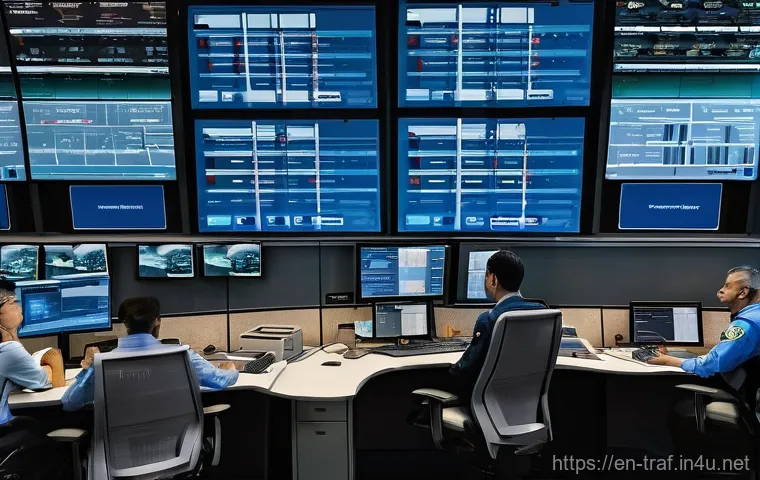
You might be thinking, “With all these smart city technologies, isn’t a manual or semi-manual log becoming obsolete?” And my answer, with all the conviction of my experience, is a resounding “Absolutely not!” In fact, the advent of smart city tech – real-time sensor networks, AI-powered traffic lights, autonomous vehicle prototypes – makes the human-generated work log *more* critical, not less. I’ve watched countless projects unfold where the raw data from sensors gives us a picture of *what* is happening, but it’s the contextual information from a human log that tells us *why* it’s happening, or *how* an intervention was truly effective. For example, a smart camera might detect a stalled vehicle, but a log entry detailing the type of vehicle (an oversized truck), its cargo (hazardous materials), and the specific actions taken by responders (containment protocols) adds layers of crucial information that no sensor can capture. It’s about blending the quantitative with the qualitative, creating a richer, more actionable data set.
I’ve personally seen how integrating traditional log data with advanced analytics platforms can lead to breakthroughs in urban planning. Imagine an AI model that learns not just from traffic flow patterns, but also from the log entries detailing special events, road closures for utility work, or even unusual driver behaviors observed by a human operator. This hybrid approach allows for incredibly sophisticated predictive models that can anticipate congestion, optimize signal timings in real-time, and even guide future infrastructure development with unprecedented accuracy. The log becomes the human intelligence layer, providing the nuanced insights that prevent AI from operating in a vacuum. It’s about creating a powerful symbiosis where technology enhances our ability to manage traffic, and our human observations give technology the intelligence it needs to excel. This isn’t just the future; it’s happening right now, and it’s incredibly exciting to be a part of it!
Enhancing AI with Human Context
The beauty of smart city tech is its ability to process vast amounts of data, but that data is often numeric or visual without deeper context. This is where your logs shine! I’ve witnessed how engineers building AI for traffic prediction struggle without that human narrative. “Why did traffic suddenly clear at this intersection, despite the data showing peak hour?” A log entry stating “Emergency services cleared stalled vehicle” provides the missing piece. Your carefully documented experiences and observations are the ‘secret sauce’ that helps AI move beyond just pattern recognition to genuine understanding, leading to more robust and reliable autonomous systems. It really is the human element that makes the AI truly smart.
Seamless Integration, Smarter Decisions
The vision of a truly smart city isn’t just about individual technologies working in silos; it’s about seamless integration. When your digital work log feeds directly into a centralized traffic management system, which then integrates with sensor data and public information systems, that’s when you start seeing exponential improvements. I’ve observed how incident response times plummet, public advisories become more accurate, and even city planners gain clearer insights for long-term projects. This interconnected web, with the work log as a foundational component, is what transforms raw data into intelligent, actionable decisions that benefit everyone on the road. It makes me genuinely optimistic about the future of urban mobility.
The Human Element: How Logs Elevate Professionalism and Safety
Beyond all the data, the algorithms, and the smart sensors, there’s a deeply human aspect to traffic management, and that’s where the work log truly shines in elevating professionalism and ensuring public safety. I’ve always believed that effective communication is the bedrock of any successful operation, and a well-maintained log is essentially a continuous, clear line of communication between shifts, teams, and even departments. Imagine a critical incident that spans multiple shifts – a hazardous material spill, for example. If the log is incomplete or unclear, crucial details about containment, ongoing risks, or specific instructions from emergency services can get lost in translation. I’ve personally observed instances where a detailed log entry about a specific wind direction during a spill meant that the next shift knew exactly which areas to focus on for air quality monitoring, potentially saving lives and preventing further exposure. It’s not just about what you write, but the critical information you convey to those who come after you.
Moreover, these logs foster a strong sense of accountability and professionalism. When you know your actions, observations, and decisions are being documented for review, it naturally encourages a higher standard of work. It’s a subtle but powerful motivator. And let’s not forget the role logs play in incident debriefs and continuous improvement. After a major event, reviewing the log entries allows teams to meticulously reconstruct the timeline, identify what went well, and pinpoint areas for improvement. This iterative learning process, directly fueled by the log, is absolutely essential for enhancing public safety protocols and making sure that every incident becomes a learning opportunity. It’s about constant refinement, and the log is the historical record that enables that growth. It brings a level of gravitas to the role that nothing else quite can.
Accountability and Continuous Improvement
There’s a quiet power in knowing your actions are recorded. It fosters a natural sense of accountability, which, in a field as critical as traffic management, is absolutely vital. I’ve seen how well-kept logs become invaluable during post-incident reviews, allowing teams to objectively assess their response, identify bottlenecks, and refine procedures. It’s not about finding fault; it’s about learning and growing. This continuous cycle of documentation, review, and improvement, all driven by the log, is what truly elevates the professionalism of a traffic management operation and makes our roads safer for everyone. It shows a commitment to excellence that you can feel.
Clear Communication, Enhanced Safety
In the high-stakes world of traffic management, miscommunication can have serious consequences. I’ve often thought of the work log as the ultimate baton pass in a relay race – it ensures a smooth, informed transition of critical information from one shift to the next, or from one department to another. Whether it’s detailing a temporary road closure, reporting a persistent signal malfunction, or documenting a specific safety concern, a clear and comprehensive log ensures that everyone is on the same page. This clarity directly translates to enhanced public safety, as responders and decision-makers have the most accurate and up-to-date information at their fingertips. It’s genuinely heartwarming to see how this simple tool prevents errors and protects lives.
Training New Recruits: Passing on the Wisdom of the Log
When I think about the next generation of traffic management professionals, I immediately think of the work log as one of their most powerful training tools. Seriously, you can teach theoretical concepts in a classroom all day long, but nothing beats real-world examples, and that’s exactly what a collection of historical logs provides. I’ve seen new recruits, fresh out of training, absolutely light up when they get to review logs from a major snowstorm or a large-scale public event. They can see not just *what* happened, but the actual, step-by-step decision-making process, the challenges faced, the solutions implemented, and the outcomes. It’s like having a direct line to the collective experience of seasoned veterans, without having to wait years to accumulate that knowledge themselves. It’s institutional memory, distilled into actionable insights.
Imagine a scenario where a new operator is learning about managing congestion during a freeway closure. Instead of just reading a textbook, they can pull up logs from a similar event two years ago. They’d see the initial incident report, the sequence of lane closures, the timing adjustments made to arterial signals, how public advisories were issued, and even the nuances of coordinating with different emergency services. This hands-on, historical data allows them to truly understand the complexities and develop their critical thinking skills in a way that simulations often can’t fully replicate. It truly shortens the learning curve and builds confidence, preparing them for real-world pressures. I get a real kick out of seeing their “aha!” moments when a log entry connects dots that classroom theory alone couldn’t. It makes them feel part of a legacy, which is incredibly motivating.
The Living Textbook of Experience
Forget dry manuals! I often tell new folks that a well-maintained archive of work logs is the most comprehensive, most authentic textbook they’ll ever encounter. It’s a living document of successes, challenges, and lessons learned, all grounded in actual operational experience. This isn’t theoretical knowledge; it’s the gritty, real-world wisdom gleaned from years of managing traffic flow in every conceivable scenario. I’ve personally seen how reviewing these logs instills a sense of confidence and practical understanding that no amount of classroom instruction can replicate. It truly brings the job to life for them and makes them feel prepared for whatever the road throws their way.
Accelerating Skill Development and Decision-Making
One of the most exciting aspects of using historical logs for training is how dramatically it accelerates a recruit’s skill development. Instead of waiting years to experience a wide range of incidents, they can dive deep into past events, dissecting the decisions made and understanding the ripple effects. This kind of vicarious learning is invaluable. I’ve observed new operators, who have spent time with historical logs, demonstrate a level of insight and quick decision-making that would typically take years to cultivate. It builds their confidence, hones their problem-solving abilities, and ultimately creates more effective and resilient traffic management professionals much faster. It truly is a game-changer for professional development.
글을 마치며
Whew! We’ve covered a lot of ground today, haven’t we? It’s truly amazing how a seemingly simple tool like a daily work log, often overlooked or seen as tedious, can be such a cornerstone of efficient and safe traffic management. My hope is that by now, you’re looking at your own logging practices, or perhaps those of your team, with a fresh perspective. It’s not just about compliance; it’s about empowerment – empowering teams with historical context, fueling smarter AI, safeguarding professionalism, and ultimately, making our roadways safer and more fluid for everyone. Remember, every entry you make isn’t just a record; it’s a valuable piece of the puzzle, contributing to a bigger, smarter picture of urban mobility. Keep those logs detailed, consistent, and always, always keep learning from them!
알아두면 쓸모 있는 정보
1. Consistency is truly your secret weapon when it comes to maintaining an effective work log. It’s not just about documenting major incidents, but also capturing the routine, the minor observations, and the subtle shifts that might seem insignificant in the moment. By making logging a consistent daily habit, you build a rich, historical tapestry of your operations, which becomes invaluable for identifying long-term trends, understanding the cumulative impact of small changes, and even demonstrating compliance over extended periods. Think of it as building a robust dataset, brick by brick, where each daily entry adds to the strength and reliability of your overall record, allowing for more insightful analysis and better-informed decision-making down the line. This consistent effort transforms your log from a simple record into a powerful analytical tool, enhancing both immediate operations and future strategic planning for urban infrastructure and traffic flow. It’s an investment that pays dividends over time.
2. Detail matters immensely, but it’s about being concise and actionable, not just verbose. When you’re making an entry, always ask yourself: “If someone else, or even I, read this a year from now, would the context be clear and the information useful?” Avoid vague terms like “traffic slow” and instead opt for specifics such as “traffic slow northbound on I-5 at Exit 12 due to stalled vehicle in right lane, backup extending 2 miles.” Include exact times, locations, and observed contributing factors whenever possible. These specific nuances are the golden nuggets that allow for accurate historical analysis, effective incident reconstruction, and precise communication between shifts. Remember, a log entry isn’t just a note; it’s a critical piece of operational intelligence that informs both immediate reactions and long-term strategies, directly influencing how efficiently and safely traffic is managed in your area. This level of detail elevates your log from a simple diary to a powerful operational asset.
3. Don’t just log problems; proactively document successful interventions and preventative measures too. It’s easy to fall into the trap of only recording what went wrong, but the most insightful logs also capture what went right and why. Did you adjust signal timings in anticipation of a major sports event, and did it effectively mitigate congestion? Document it! Did a routine inspection prevent a potential equipment failure? Log it! These entries are invaluable for identifying best practices, refining operational protocols, and demonstrating the positive impact of your team’s efforts. They also serve as fantastic examples for training new personnel, showcasing effective strategies and fostering a culture of continuous improvement. By including these positive outcomes, your log becomes a more balanced and empowering resource, celebrating successes and providing a holistic view of your operational excellence. It truly shifts the perspective from merely reactive to strategically proactive management.
4. Embrace the integration of your logs with smart city technologies. While it might seem counterintuitive to some, human-generated log entries are becoming increasingly vital as our cities become ‘smarter.’ Sensor data can tell us *what* is happening (e.g., traffic slowdown), but your log provides the crucial *why* (e.g., unexpected street fair, specific vehicle breakdown type). This contextual, qualitative data is the ‘secret sauce’ that helps AI models learn faster, make more accurate predictions, and develop more nuanced responses. By ensuring your logs are structured and potentially digitized for easy integration, you transform them into a powerful human intelligence layer that enhances algorithmic efficiency and accuracy. This synergy between human observation and technological prowess is the future of urban traffic management, leading to far more robust and adaptable systems that truly understand and respond to the complex dynamics of a bustling city. It’s a game-changer for how we approach urban planning and incident response.
5. Regular review of past log entries is non-negotiable for maximizing their value. Writing detailed logs is only half the battle; the real magic happens when you actively revisit them. Make it a point, whether weekly or monthly, to sit down and analyze historical data. Look for recurring patterns, identify persistent hotspots, or recognize the long-term impact of changes you’ve implemented. This reflective practice is critical for continuous improvement, allowing you to move beyond reactive problem-solving to proactive, data-driven decision-making. These reviews can reveal subtle trends that are invisible in the day-to-day hustle, helping you to refine strategies, optimize resource allocation, and even justify infrastructure investments. Don’t let your diligently kept records gather digital dust; turn them into a living archive of actionable intelligence that continuously fuels smarter operations and fosters a culture of informed growth. It’s the difference between merely recording history and actively shaping the future.
중요 사항 정리
To wrap things up, the humble work log stands as an indispensable tool in modern traffic management, far surpassing its perceived role as mere busywork. We’ve explored how its consistent, detailed entries serve as the heartbeat of efficient operations, providing critical context that raw sensor data often lacks. These logs are not only foundational for enhancing professionalism and accountability within teams, fostering clear communication between shifts, but they also act as a rich historical archive that can significantly accelerate the training of new recruits. Furthermore, when integrated thoughtfully with burgeoning smart city technologies, human-generated log data becomes an invaluable asset, enriching AI models and paving the way for truly predictive and proactive traffic control solutions. Ultimately, by transforming individual observations into collective intelligence, the work log ensures safer roads and smoother journeys for everyone, making it a powerful investment in our urban future. It’s a testament to the enduring power of human insight in an increasingly technological world.
Frequently Asked Questions (FAQ) 📖
Q: Why are good old work logs still so crucial when we have all this advanced smart city tech and
A: I? A1: That’s a fantastic question, and one I hear all the time! You’d think with all the fancy sensors, real-time data, and predictive AI, a simple logbook would be a relic, right?
But here’s the kicker: I’ve personally seen that these logs are more vital than ever. Imagine a sensor detects a sudden slowdown. The AI might flag it, but a human entry in a log can tell you why.
Was it a fender bender? A sudden heavy downpour? A detour sign that confused everyone?
That human context is gold! It turns raw data into actionable insights, helping us understand the ‘why’ behind the ‘what.’ Without that nuanced human observation, even the most sophisticated AI is just working with incomplete puzzles.
My experience tells me that these logs bridge the gap between cold, hard data and the messy, unpredictable reality of our streets, ensuring our smart systems actually make sense in the real world.
Q: What specific, tangible benefits can traffic management teams expect from meticulously keeping these work logs?
A: Oh, where do I even begin? The benefits are immense, truly transformative. First off, they become an incredible historical record.
Think of them as the city’s traffic diary, allowing us to spot recurring patterns we might otherwise miss. Why does that one intersection always snarl up on Tuesdays?
The logs can reveal the subtle daily shifts or specific incidents that contribute. Second, they’re an amazing training tool for new hires. Instead of just theoretical knowledge, they can dive into real-world incident responses and learn from past successes and challenges.
Thirdly, and this is huge for monetization and efficiency, these logs directly feed into optimizing our systems. Better logs mean better data for AI training, leading to more accurate predictions, smoother traffic flow, and quicker incident clearance.
This, in turn, can mean less wasted fuel for commuters, less frustration, and ultimately, a more productive city. I’ve seen firsthand how a well-documented incident can lead to a quick, effective solution that saves thousands in operational costs down the line.
Q: How do these detailed work logs truly contribute to smarter urban planning and faster emergency response?
A: This is where the magic really happens, in my opinion! When we talk about smart urban planning, it’s not just about building new roads; it’s about making the existing ones work smarter.
Detailed work logs provide that deep, granular insight into how our infrastructure actually performs under various stresses. For example, if logs consistently show bottlenecks during specific events or construction phases, urban planners can use this data to justify infrastructure upgrades, redesign intersections, or implement new signaling strategies.
It’s about evidence-based planning, not just guesswork. For emergency response, the impact is even more immediate and critical. Imagine an accident.
Beyond what sensors tell us, a log entry from an on-site professional can detail unique hazards, specific vehicle types involved, or even pedestrian activity that can directly inform emergency crews before they even arrive.
This level of detail ensures they come prepared, potentially shaving precious minutes off response times, which, as we all know, can literally be the difference between life and death.
My personal belief is that these logs are the unsung heroes making our cities safer and more resilient every single day.