
Hey everyone! As someone who’s always been genuinely fascinated by how we get things (and ourselves!) from point A to point B, I’ve spent years closely watching the transportation sector evolve.
It’s truly not just about roads and rails anymore; we’re talking about a dynamic, tech-driven universe where every parcel, every commute, and every journey is being constantly redefined.
Just think about the incredible leaps we’ve seen with electric vehicles transforming urban landscapes, the intricate dance of global supply chains that keep our world moving, and the mind-blowing potential of autonomous systems that are literally steering our future – it’s such a thrilling time to be involved.
I’ve personally seen countless individuals carve out incredibly rewarding paths in this ever-changing landscape, from innovative logistics managers orchestrating global deliveries to visionary pioneers in sustainable urban mobility.
If you’ve ever wondered what it truly takes to thrive in this essential and exciting field, or if you’re looking for that spark to ignite your own professional journey, you’ve landed in just the right spot.
We’re about to unpack some truly inspiring success stories and the key strategies that propelled these dedicated professionals to the very top. Let’s dive right into how you can navigate your own path to an incredibly successful transportation career!
Forging Your Path in the Digital Logistics Frontier

Okay, let’s kick things off by talking about how profoundly technology has reshaped the transportation sector. Honestly, it’s not just about moving goods and people anymore; it’s about moving data, optimizing routes with AI, and predicting disruptions before they even happen. From my vantage point, having watched this space evolve for years, the most exciting roles are emerging at the intersection of logistics and cutting-edge tech. Think about companies like Amazon and FedEx – their entire operational efficiency hinges on incredibly sophisticated software, real-time tracking, and predictive analytics. I’ve personally seen individuals with a knack for data science and a passion for problem-solving pivot into roles that didn’t even exist a decade ago, designing algorithms that determine optimal delivery routes or developing AI-powered systems for warehouse automation. It’s a field where continuous learning isn’t just a buzzword; it’s your superpower. If you’re someone who loves unraveling complex puzzles and isn’t afraid to dive deep into data, this is where you can truly shine and make a tangible impact on how the world operates. The sheer volume of data generated by global supply chains is mind-boggling, and turning that raw data into actionable insights is an invaluable skill that companies are desperately seeking. Plus, it’s incredibly rewarding when you see the direct impact of your code or your analysis helping a package get from one continent to another seamlessly.
The Rise of Data Science and AI in Supply Chains
When I first started looking at this industry, “supply chain” often conjured images of trucks and warehouses. While those are still crucial, what truly drives efficiency today are the data scientists and AI specialists working behind the scenes. They’re the ones building models to forecast demand, optimize inventory levels, and even predict potential bottlenecks in the global shipping network. I’ve spoken with countless professionals who transitioned from pure tech roles into logistics, and they consistently tell me how fulfilling it is to apply their skills to real-world, tangible challenges. For instance, imagine developing an AI that reduces fuel consumption for an entire fleet of delivery vehicles – the environmental and economic impact is huge! These roles demand a strong analytical mind, proficiency in programming languages like Python or R, and an understanding of machine learning principles. But don’t let that intimidate you; there are fantastic online courses and bootcamps specifically tailored for this niche, and many companies are even offering apprenticeships to nurture new talent. It’s a field that’s only going to grow, offering stability and continuous innovation.
Cybersecurity: Protecting Our Connected World
With so much data flowing through our transportation networks, from autonomous vehicle sensors to global shipping manifests, cybersecurity has become absolutely paramount. Honestly, it’s a constant battle against evolving threats, and companies are investing heavily in protecting their digital infrastructure. I remember hearing a story about a major port almost being crippled by a ransomware attack a few years back – it was a stark reminder of how vulnerable these interconnected systems can be. This has created a massive demand for cybersecurity professionals who specialize in industrial control systems (ICS) and operational technology (OT). If you have a passion for digital defense and want to work on critical infrastructure, this is an incredibly high-stakes and high-reward area. Roles range from security analysts monitoring networks for suspicious activity to ethical hackers testing system vulnerabilities. It’s not just about protecting data; it’s about ensuring the safety and continuous operation of the systems that keep our world moving. The job security here is practically unmatched, and the intellectual challenge is incredibly stimulating.
Steering Towards a Greener Horizon: Sustainable Transportation Careers
Let’s shift gears and talk about something close to my heart: sustainability. It’s no secret that the transportation sector has a significant environmental footprint, but what’s truly inspiring is the incredible momentum behind making it greener. I’ve personally seen a huge surge in innovative roles focused on electric vehicles (EVs), renewable energy integration, and sustainable urban planning. It’s not just about reducing emissions; it’s about creating healthier, more efficient communities. Companies and municipalities are pouring resources into developing eco-friendly transit solutions, from expanding public transportation networks to deploying fleets of electric buses and last-mile delivery vehicles. This isn’t just a trend; it’s the future, and if you’re passionate about making a positive impact on the planet while building a rewarding career, this is absolutely your lane. I’ve met engineers designing next-gen battery technology, urban planners creating pedestrian-friendly cities, and logistics managers optimizing routes to minimize their carbon footprint. The sense of purpose in these roles is truly palpable, and knowing that your work contributes to a healthier planet is an amazing feeling.
The EV Revolution: Beyond the Driver’s Seat
When most people think of electric vehicles, they picture Teslas or other sleek cars. But the EV revolution goes so much deeper than personal automobiles. We’re talking about electric trucks, buses, forklifts, and even electric aircraft! This explosion of EV technology has created a massive need for engineers specializing in battery technology, power electronics, and charging infrastructure. From my perspective, it’s a rapidly evolving field where innovation is happening at lightning speed. I recently visited an EV charging station manufacturer and was blown away by the complexity and foresight involved in designing systems that can scale to meet future demand. Beyond engineering, there’s a growing need for sales and marketing professionals who understand the unique value proposition of EVs, and for technicians who can install and maintain complex charging networks. If you’re excited by cutting-edge technology and want to be at the forefront of a paradigm shift in how we power our transport, this is a sector brimming with opportunities. It’s truly a thrilling space where your work directly contributes to a cleaner environment and a more sustainable future.
Urban Mobility Reimagined: Smart Cities and Public Transit
Have you ever thought about how cities could be designed to move people more efficiently and sustainably? That’s precisely what urban mobility specialists and public transit planners are doing. I’ve always been fascinated by how thoughtful infrastructure can transform daily life, and seeing communities embrace robust public transport systems, bike-sharing programs, and pedestrian zones is incredibly inspiring. These roles involve a blend of data analysis, community engagement, and strategic planning. They look at traffic patterns, population density, and environmental impact to design transportation networks that reduce congestion and promote healthier lifestyles. It’s not just about building new train lines; it’s about integrating ride-sharing, micro-mobility, and even autonomous shuttles into a seamless, accessible system. From my own observations, success in this area often comes from professionals who are empathetic, understand community needs, and can navigate complex governmental and private sector partnerships. It’s a challenging but deeply rewarding career path, offering the chance to shape the very fabric of our urban landscapes and improve the quality of life for millions of people.
Mastering the Global Flow: Careers in Logistics and Supply Chain
Alright, let’s talk about the unsung heroes of our economy: the logistics and supply chain professionals. If you’ve ever ordered something online and had it magically appear at your doorstep, you’ve witnessed their work firsthand. This sector is the lifeblood of global commerce, an intricate dance of planning, executing, and optimizing the movement of goods from raw materials to the final consumer. From what I’ve seen, the complexity and global reach of modern supply chains make these roles incredibly dynamic and challenging. It’s not just about moving boxes; it’s about managing risks, navigating international regulations, and leveraging technology to ensure seamless operations across continents. I once had the opportunity to shadow a logistics manager at a major import company, and the sheer volume of variables they had to juggle – customs, shipping schedules, warehousing, last-mile delivery – was astounding. They’re literally the architects of global trade, ensuring that everything from your morning coffee to your latest gadget gets where it needs to go. If you thrive on problem-solving, enjoy strategic thinking, and want a career that offers constant opportunities to learn and adapt, then the world of logistics is calling your name. It’s a field where quick thinking and adaptability are rewarded, and where every day brings a new set of challenges to conquer.
Optimizing the Warehouse and Beyond: Inventory and Fulfillment
The warehouse isn’t just a big building filled with stuff anymore; it’s a high-tech hub of automation, robotics, and sophisticated inventory management systems. I’ve personally been inside some of these modern fulfillment centers, and they are truly mind-blowing, operating with precision and efficiency that rivals a well-oiled machine. Careers here involve managing vast inventories, optimizing storage solutions, and overseeing the entire fulfillment process, from picking and packing to shipping. With the explosion of e-commerce, the demand for skilled professionals in this area has skyrocketed. Companies are constantly looking for individuals who can implement new technologies, streamline workflows, and ensure accuracy at every step. What I’ve learned is that a keen eye for detail and a knack for process improvement can take you far. From managing robotic sorting systems to designing efficient warehouse layouts, these roles are crucial for getting products into customers’ hands quickly and cost-effectively. It’s a fast-paced environment that’s constantly evolving, making it an exciting place to build a career.
International Trade and Customs: Navigating Global Complexities
Moving goods across borders isn’t as simple as putting them on a ship and sending them off. There’s a fascinating and complex world of international trade regulations, customs declarations, and compliance that logistics professionals must navigate daily. I find this aspect of the job incredibly intriguing because it requires a blend of legal understanding, cultural awareness, and meticulous attention to detail. I’ve seen firsthand how a small error in documentation can lead to massive delays and costly penalties, underscoring the vital role these experts play. Roles in this area involve ensuring that shipments comply with all relevant import/export laws, calculating duties and taxes, and facilitating smooth passage through customs. If you’re someone who enjoys understanding intricate rules and loves the idea of being a linchpin in global commerce, then a career in international trade and customs could be a perfect fit. It’s a field where your expertise is highly valued, and you’re constantly learning about new trade agreements and geopolitical shifts. Plus, it gives you a fantastic birds-eye view of how global economies interconnect.
| Career Path | Key Skills Needed | Impact on Transportation |
|---|---|---|
| Data Scientist (Logistics) | Python/R, Machine Learning, Statistical Analysis | Optimizes routes, predicts demand, reduces costs |
| EV Charging Infrastructure Engineer | Electrical Engineering, Project Management, Renewable Energy | Develops and deploys essential charging networks |
| Supply Chain Manager | Strategic Planning, Risk Management, Negotiation, ERP Systems | Ensures efficient flow of goods globally |
| Urban Mobility Planner | Data Analysis, GIS, Community Engagement, Policy Understanding | Designs sustainable and efficient city transit systems |
| Transportation Cybersecurity Specialist | Network Security, Incident Response, ICS/OT Security | Protects critical transportation infrastructure from cyber threats |
Beyond the Wheel: Excellence in Operations and Management
While we often think of the visible parts of transportation – the vehicles, the tracks, the airports – there’s an immense amount of strategic thinking and operational brilliance happening behind the scenes. This is where operations and management professionals come in, ensuring everything runs smoothly, safely, and efficiently. From my own experiences observing this sector, these roles are the glue that holds the entire system together. They’re about optimizing fleets, managing massive teams, and making critical decisions under pressure to keep people and goods moving. I’ve always admired the ability of a great operations manager to anticipate issues and pivot quickly when the unexpected happens, whether it’s rerouting a cargo ship due to weather or adjusting public transit schedules during a major event. It takes a blend of leadership, analytical skills, and an unwavering commitment to safety and service. If you’re a natural leader with a talent for organization and problem-solving, these management roles offer incredible opportunities to lead teams, implement innovative solutions, and truly shape the efficiency of large-scale operations. It’s a career where you’re constantly challenged, but the satisfaction of seeing your well-oiled machine in action is truly rewarding.
Fleet Management and Route Optimization: Maximizing Efficiency
Running a fleet of vehicles, whether it’s a few delivery vans or hundreds of long-haul trucks, is a complex ballet of logistics, maintenance, and strategic planning. Fleet managers are the conductors of this orchestra, making sure vehicles are in top condition, drivers are safely on schedule, and routes are optimized for maximum efficiency. I’ve seen firsthand how a well-managed fleet can significantly reduce fuel costs, minimize environmental impact, and enhance overall service delivery. This isn’t just about putting pins on a map; it involves sophisticated software, real-time GPS tracking, and predictive maintenance schedules. Professionals in this area need a strong understanding of vehicle mechanics, logistics software, and driver regulations. It’s a role that requires constant vigilance and a proactive approach to problem-solving. If you’re someone who enjoys a blend of technical knowledge and strategic oversight, and you’re passionate about ensuring smooth operations, fleet management offers a tangible and impactful career path. There’s a real satisfaction in knowing that your decisions are directly contributing to the economic health of a business and the reliability of its services.
Public Transit Leadership: Moving Communities Forward
Leading a public transit system is a monumental task, impacting hundreds of thousands, if not millions, of lives daily. It’s about more than just buses and trains; it’s about community development, accessibility, and providing essential services. From what I’ve observed, public transit leaders are often visionaries, balancing budgets, stakeholder needs, and the ever-present challenge of urban congestion. They oversee everything from daily operations and service schedules to long-term infrastructure projects and technological upgrades. I’ve been fascinated by the dedication of these professionals who work tirelessly to ensure reliable, safe, and efficient public transportation. It’s a role that demands exceptional leadership, communication skills, and a deep understanding of urban dynamics. If you’re driven by public service and want to contribute to the economic and social well-being of a city, a career in public transit leadership is incredibly impactful. You’re not just managing a system; you’re shaping the way an entire community moves, connects, and thrives. It’s a highly visible role where your efforts directly improve the daily lives of countless individuals.
Engineering the Future: Infrastructure and Innovation
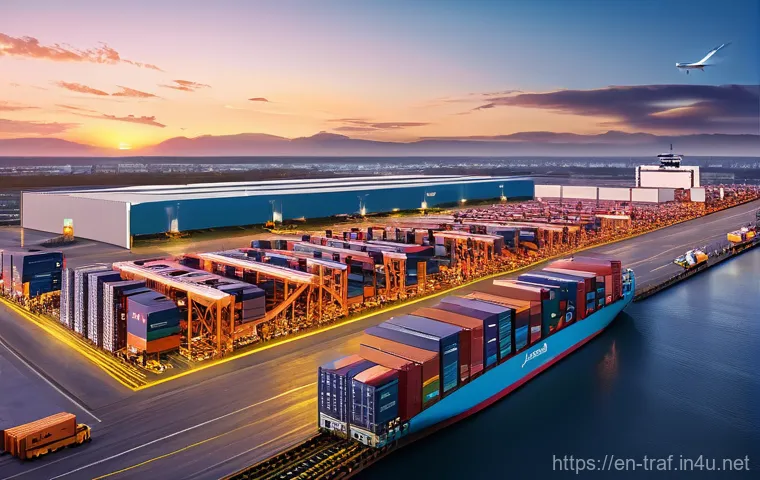
Let’s talk about the incredible minds building the very foundations of our transportation future. When I think about infrastructure, it’s no longer just about concrete and steel; it’s about smart bridges, digitally connected roadways, and even the air traffic control systems for drones. From my vantage point, having followed technological advancements in this area, the opportunities for engineers and innovators are absolutely boundless. We’re witnessing a complete reimagining of how our physical transportation networks interact with digital intelligence. Imagine designing autonomous vehicle corridors, creating high-speed rail networks that connect vast regions, or even developing the logistics for urban air mobility. These are not sci-fi concepts anymore; they are becoming realities thanks to brilliant engineers and planners. I’ve personally been thrilled to see how civil engineers are now collaborating with software developers to create truly ‘smart’ infrastructure that can communicate with vehicles, manage traffic flow dynamically, and even monitor its own structural integrity. If you’re someone who loves to build, innovate, and solve complex, real-world problems on a grand scale, then this is where you can leave a lasting legacy. It’s a field that demands creativity, technical prowess, and a visionary outlook, offering a chance to shape the physical landscape of tomorrow.
Smart Infrastructure: Connecting the Physical and Digital Worlds
The concept of “smart infrastructure” excites me beyond measure because it fundamentally changes how our roads, bridges, and ports operate. We’re embedding sensors, connectivity, and data analytics directly into our physical assets, turning them into intelligent components of a larger network. I recently learned about a project where smart traffic lights are dynamically adjusting their timing based on real-time traffic flow data, significantly reducing congestion in a major city – a simple yet incredibly effective application. Careers in this domain involve designing these intelligent systems, integrating IoT devices, and developing the software that makes them functional. This requires a unique blend of civil engineering, electrical engineering, and computer science skills. From what I’ve seen, it’s a rapidly expanding area, and companies are eagerly seeking professionals who can bridge the gap between traditional engineering and cutting-edge technology. If you’re keen on working on projects that have a massive, visible impact on daily life and are excited by the prospect of building infrastructure that thinks, then this is an incredibly fertile ground for your career. It’s truly a chance to be at the forefront of innovation, literally building the highways of the future.
Advanced Air Mobility and Drone Logistics: The Skies Reimagined
For years, the idea of flying cars and drone deliveries felt like something out of a futuristic movie, but trust me, it’s closer than you think. Advanced Air Mobility (AAM) and drone logistics are rapidly becoming reality, and this is creating an entirely new frontier for engineers and operational specialists. I’ve been closely tracking developments in this space, and the sheer ingenuity involved in designing electric vertical takeoff and landing (eVTOL) aircraft, as well as the sophisticated systems needed to manage urban air traffic, is simply astounding. This isn’t just about building drones; it’s about creating safe, efficient, and scalable ecosystems for aerial transportation. Careers here range from aerospace engineers designing the next generation of aircraft to software developers building air traffic management systems and logistics experts planning drone delivery routes. What I’ve found most fascinating is the interdisciplinary nature of this field, blending aviation, robotics, software development, and urban planning. If you’ve ever dreamed of working in a truly groundbreaking area that’s redefining how we use our skies for transportation and logistics, this is absolutely it. It’s a high-stakes, high-reward environment where innovation is not just encouraged, but essential for progress.
Cultivating Talent: Education and Training for Transportation Professionals
Let’s talk about how you actually get into these amazing roles, because, let’s be real, a dream job doesn’t just magically appear. Investing in yourself through education and continuous training is absolutely crucial in a sector that’s evolving as quickly as transportation. I’ve had countless conversations with successful professionals who emphasize that lifelong learning isn’t just a buzzword; it’s the key to staying relevant and advancing your career. Whether it’s formal university degrees, specialized certifications, or hands-on apprenticeships, there are so many pathways to gain the expertise needed for these roles. And don’t think for a second that an advanced degree is the *only* way in; I’ve seen incredibly successful individuals who started with vocational training and built their way up with practical experience and a commitment to continuous learning. The transportation industry truly values practical skills and problem-solving abilities. If you’re passionate about a particular area, whether it’s sustainable logistics or autonomous vehicle development, seek out programs and mentors who can help you build a strong foundation. It’s an investment that pays dividends for years to come, opening doors to opportunities you might not even imagine right now. Your future career is a journey, and education is the map that guides you.
Specialized Certifications: Boosting Your Expertise
In the rapidly evolving world of transportation, a university degree is a fantastic starting point, but specialized certifications can give you a significant edge. I’ve seen many professionals use certifications to pivot into new areas or deepen their expertise in their current field, and it often makes a real difference in their career trajectory. Think about certifications in supply chain management (like those from APICS), logistics technology, or even specific software platforms used in fleet management or freight forwarding. These programs often provide practical, industry-recognized skills that employers are actively looking for. For instance, obtaining a certification in project management can be incredibly beneficial for anyone looking to lead complex transportation infrastructure projects. What I’ve learned is that these certifications demonstrate not only your knowledge but also your commitment to professional development. They can be a fantastic way to quickly gain targeted skills and make yourself more marketable. Many are available online and can be completed while you’re working, offering a flexible way to enhance your resume and open up new opportunities. It’s all about making yourself indispensable in a competitive job market.
Apprenticeships and Internships: Learning on the Job
While theoretical knowledge is important, nothing beats hands-on experience, especially in a practical field like transportation. This is where apprenticeships and internships shine, offering invaluable real-world exposure and a chance to build essential skills on the job. I’ve always been a huge advocate for these types of programs because they allow you to learn from seasoned professionals, understand the daily realities of the industry, and build a professional network before you even officially start your career. I’ve personally witnessed interns turn their temporary roles into full-time positions because they demonstrated initiative and a strong work ethic. Many transportation companies, from major airlines to local logistics firms, offer structured programs that provide mentorship and practical training. If you’re just starting out, or even looking to transition, actively seeking out these opportunities can give you a massive head start. It’s not just about earning a paycheck; it’s about gaining practical insights, making connections, and truly understanding the nuances of the industry from the inside out. Don’t underestimate the power of showing up, learning, and contributing; it’s often the best way to get your foot in the door and prove your worth.
Building Your Network: Connections That Drive Success
You know, in any career, who you know can be just as important as what you know, and in the transportation sector, that couldn’t be more true. Building a strong professional network isn’t just about collecting business cards; it’s about forming genuine connections, exchanging ideas, and finding mentors who can guide you. From my own journey, I’ve found that some of the most pivotal moments in my career came from conversations and connections made at industry events or through professional associations. This industry is incredibly collaborative, with countless individuals facing similar challenges and celebrating shared successes. Attending conferences, joining professional organizations, and even engaging in online forums can open up doors you never knew existed. I’ve seen people land dream jobs through referrals, gain invaluable insights from industry veterans, and even find partners for entrepreneurial ventures, all thanks to their robust networks. It’s about being proactive, authentic, and always willing to learn from others. If you truly want to accelerate your career in transportation, make networking a consistent part of your strategy. You never know who you might meet and what incredible opportunities that connection could unlock for your future. It’s not just a nice-to-have; it’s a must-have for long-term success.
Professional Associations: Your Gateway to the Industry
Joining professional associations is, in my opinion, one of the smartest moves you can make if you’re serious about a career in transportation. These organizations, whether they focus on logistics, urban planning, aviation, or maritime shipping, offer a wealth of resources, educational opportunities, and, most importantly, networking events. I’m a big believer in the power of these groups; they often host conferences, workshops, and even online communities where you can connect with peers, industry leaders, and potential employers. For example, organizations like the Council of Supply Chain Management Professionals (CSCMP) or the Institute of Transportation Engineers (ITE) provide incredible platforms for learning about the latest trends, sharing best practices, and expanding your professional circle. What I’ve found is that these groups aren’t just about resumes; they’re about building relationships and finding common ground with people who share your passion for the industry. Many associations also offer mentoring programs, which can be absolutely invaluable for those just starting out or looking to transition into a new specialization. It’s a small investment of time and sometimes membership fees that can yield huge returns in terms of career growth and industry insights.
Mentorship: Learning from the Best
Finding a mentor in the transportation industry can be an absolute game-changer. I can tell you from personal experience that having someone who has navigated the industry’s ups and downs, someone who can offer advice, support, and a different perspective, is truly priceless. A mentor isn’t just an instructor; they’re a guide, a sounding board, and often, a powerful advocate for your career. They can help you understand industry nuances, identify skill gaps, and even introduce you to key players in their network. I’ve seen countless individuals accelerate their careers and avoid common pitfalls thanks to the wisdom shared by a good mentor. Don’t be shy about reaching out to people you admire, whether it’s through professional associations, LinkedIn, or even at industry events. A genuine interest in learning and a respectful approach can open many doors. Many experienced professionals are incredibly generous with their time and knowledge, eager to help the next generation succeed. It’s a relationship built on trust and mutual respect, and it can provide invaluable guidance that no textbook or online course can replicate. Seek out those who inspire you; their insights can illuminate your path forward in ways you never expected.
Wrapping Things Up
Well, we’ve covered quite a bit, haven’t we? From the thrilling advancements in data science and AI to the crucial push for sustainable transportation and the complex dance of global logistics, it’s clear that this sector is bursting with opportunity. If you’re feeling a spark of excitement after reading through these paths, trust that instinct! I’ve seen firsthand how a passion for solving real-world challenges can truly propel a career forward in this dynamic space. The transportation industry isn’t just about moving goods; it’s about moving the world forward, and there’s a place for your unique skills and passion within it. So, go out there, explore, learn, and be a part of shaping tomorrow’s mobility!
Handy Tips for Your Journey
1. Embrace Lifelong Learning: The transportation sector evolves incredibly fast. Make it a habit to constantly learn new technologies, software, and industry regulations. Online courses, webinars, and specialized certifications can give you a significant edge and keep your skills sharp.
2. Network Like a Pro: Attend industry conferences, join professional associations, and connect with people on platforms like LinkedIn. The insights and opportunities you gain from these connections can be invaluable, opening doors you might not even know exist.
3. Develop a Niche: While broad knowledge is good, specializing in an area like sustainable logistics, transportation cybersecurity, or urban mobility can make you a highly sought-after expert. Find what truly excites you and dive deep.
4. Seek Mentorship: Don’t be afraid to reach out to experienced professionals you admire. A good mentor can provide guidance, share invaluable lessons from their own career, and help you navigate challenges with greater confidence.
5. Gain Practical Experience: Internships, apprenticeships, or even volunteer roles can give you crucial hands-on experience. Employers highly value practical skills and a demonstrated understanding of real-world operations, so get out there and get involved!
Key Takeaways for the Aspiring Professional
The transportation industry is undergoing a monumental transformation, driven by technology, sustainability, and a relentless pursuit of efficiency. It’s a field rich with diverse career paths, from data scientists optimizing global supply chains to engineers designing future infrastructure and leaders shaping urban mobility. Success hinges on a blend of technical expertise, continuous learning, robust networking, and a passion for innovation. Whether you’re just starting out or looking to pivot, the opportunities to make a tangible impact on how our world moves are truly limitless. Dive in, stay curious, and you’ll find yourself on a rewarding journey that literally helps steer the future.
Frequently Asked Questions (FAQ) 📖
Q: How do I even begin to carve out a successful path in such a dynamic and rapidly evolving field like transportation?
A: Oh, I totally get it! When you look at the transportation sector, it can feel like this huge, complex beast with so many moving parts, literally. From my own journey and what I’ve seen countless successful people do, the best place to start is actually by figuring out what truly excites you within this vast landscape.
Are you fascinated by the intricate dance of global supply chains that brings your favorite gadgets to your doorstep? Or maybe it’s the sheer ingenuity behind electric vehicles changing our cityscapes?
Once you pinpoint that passion, dive deep into learning. I’ve always recommended starting with online courses or even a good industry podcast to get a foundational understanding.
Seriously, there are so many free resources out there that offer fantastic insights into logistics, urban planning, or even cutting-edge automotive tech.
Then, and this is crucial, start networking. Go to industry events, even local ones. Connect with people on platforms like LinkedIn.
I’ve personally seen so many doors open just by having a genuine conversation with someone who’s already walking the path you aspire to. Don’t be afraid to take an entry-level position or an internship.
Those hands-on experiences are gold. They’re not just about earning a paycheck; they’re about learning the ropes, making connections, and truly understanding the daily challenges and triumphs.
Remember, every expert was once a beginner, and this industry absolutely thrives on fresh perspectives and eager minds. It’s less about having all the answers at once and more about having the curiosity to keep asking questions and the drive to learn continuously.
Q: What specific skills and experiences should I prioritize if I want to really stand out and thrive in today’s transportation industry?
A: That’s a brilliant question because what worked even five or ten years ago isn’t necessarily what’s going to propel you forward today. From my perspective, having been knee-deep in this sector for a while, there are a few standout skills that consistently separate the good from the truly exceptional.
First off, and this might sound obvious, but adaptability is paramount. Things change so fast—new regulations, groundbreaking tech, unexpected global events—you have to be able to pivot and learn on the fly.
I’ve seen brilliant strategists falter because they were too rigid in their thinking. Second, and this is huge, data literacy and analytical thinking.
Whether you’re optimizing routes, managing inventory, or forecasting demand, the ability to understand and interpret data is like having a superpower.
You don’t need to be a full-blown data scientist, but being comfortable with tools and knowing what questions to ask of your data? That’s invaluable. I once worked with a logistics manager who completely transformed their department’s efficiency just by digging into their delivery data, identifying bottlenecks no one else saw.
Third, problem-solving with a creative edge. The transportation world is full of complex challenges, from navigating traffic congestion to designing sustainable last-mile delivery solutions.
Employers aren’t just looking for people who can follow instructions; they want innovators who can think outside the box and come up with practical, often unconventional, solutions.
And finally, don’t underestimate the power of interpersonal and communication skills. You’ll be working with diverse teams, stakeholders, and even international partners.
Being able to articulate your ideas clearly, listen effectively, and build strong relationships is absolutely essential for collaboration and leadership.
Q: With all the buzz around electric vehicles, autonomous technology, and
A: I, how can I ensure my career in transportation stays relevant and future-proof for the long haul? A3: This is probably the question I get asked most often, and it’s a completely valid concern!
The pace of change is exhilarating but can also feel a bit overwhelming. The key, in my experience, is to embrace lifelong learning and strategically lean into these emerging trends rather than shying away from them.
Think of it less as a threat and more as an incredible opportunity for specialization. For example, if electric vehicles (EVs) excite you, consider focusing on areas like EV infrastructure planning, battery technology logistics, or even fleet management for electric vehicle operations.
I’ve seen a huge demand for people with this specific knowledge. Similarly, for autonomous technology, roles are emerging in areas like sensor data analysis, cybersecurity for connected vehicles, or even ethical considerations in AI-driven transportation.
My biggest piece of advice here is to not just watch these trends but to actively engage with them. Look for certifications or specialized courses in areas like supply chain digitization, sustainable transportation practices, or even introductory programming for logistics automation.
Attend webinars, read industry whitepapers, and follow the thought leaders in these emerging fields. You don’t have to become an expert in everything, but understanding the basics and demonstrating a willingness to adapt and learn new skills related to these advancements will make you incredibly valuable.
I truly believe that the future belongs to those who are curious, adaptable, and willing to continuously reskill. Your commitment to staying informed and evolving with the industry is the ultimate career insurance.