
Oh, the daily grind! There’s nothing quite like the unique blend of frustration and exhaustion that a stressful commute can dish out. We’ve all been there, right?
That feeling of your blood pressure rising before you even clock in, thanks to bumper-to-bumper traffic or a delayed train. It’s not just about lost time; it’s a genuine drain on your mental and physical well-being, impacting everything from your mood to your productivity at work.
In fact, recent studies confirm that workers experiencing frequent traffic congestion report significantly higher stress levels, with some even linking longer commutes to lower job satisfaction and poorer mental health.
Even with the rise of remote and hybrid work models, which many hoped would be a silver bullet for traffic woes, we’re seeing new challenges emerge, like the potential for increased local traffic from errands or longer commutes on office days.
It’s clear that managing this kind of work-related stress is more crucial than ever for thriving in today’s fast-paced world. Ready to reclaim your peace of mind and boost your workday happiness?
Let’s dive deeper below!
Reclaiming Your Morning Sanity: A Commuter’s Survival Guide

Oh, believe me, I know the feeling. That gut-wrenching dread as the alarm blares, signaling the start of another battle with the morning commute. For years, I let it dictate my mood, arriving at the office already frazzled and exhausted before my first cup of coffee.
But I eventually realized something crucial: I had the power to change how I approached it. It wasn’t about magically eliminating traffic or conjuring up a teleportation device (though a girl can dream, right?).
It was about transforming my mindset and preparing my environment, so the commute became less of a daily obstacle course and more of a predictable transition.
I started by getting brutally honest with myself about what aspects of my mornings were adding to the stress *before* I even left the house. Was I scrambling for keys?
Forgetting my lunch? These seemingly small things snowball into major anxieties when you’re already pressed for time. Taking a proactive approach has been an absolute game-changer, allowing me to step out the door feeling a little more in control, a little less rushed, and a lot more ready to face whatever the roads (or trains) threw my way.
Trust me, a little planning goes a long, long way in diffusing that pre-commute tension.
The Art of the Early Bird (Even if You’re Not One)
I’m not going to lie, I’m naturally a night owl, so the idea of becoming an “early bird” felt like a cruel joke at first. But I learned it’s not about waking up at 4 AM unless you genuinely want to.
It’s about waking up *earlier than you currently do* to create a buffer. Even an extra 15-20 minutes can feel like a luxurious gift. Those few moments allow you to savor your coffee, scroll through a light news feed without rushing, or simply breathe before the day demands your full attention.
I used to leap out of bed and immediately start the frantic dance of getting ready, which just ramped up my stress. Now, I try to schedule a few minutes of quiet contemplation or a quick stretching session.
It’s amazing how much calmer I feel when I’m not racing against the clock from the moment my feet hit the floor. This small shift gives me a sense of agency over my morning, rather than feeling like I’m constantly reacting to external pressures.
Fueling Your Journey Right
This might seem obvious, but how many times have you skipped breakfast or grabbed something unhealthy on the go because you were too rushed? I’m guilty as charged!
For a long time, my morning fuel was a hurried coffee and a vague sense of hunger. Unsurprisingly, this led to mid-morning energy crashes and a general feeling of grumpiness.
What I discovered was that a proper breakfast isn’t just about nutrition; it’s about setting a calm, focused tone for the entire day. Now, I try to prepare something the night before – overnight oats, a pre-chopped fruit salad, or even just knowing exactly which cereal I’ll grab.
And hydration! Keeping a water bottle handy in the car or on the train is so simple, but it makes a huge difference in staying alert and feeling refreshed.
Trust me, your brain (and your stomach) will thank you for taking these few extra moments to nourish yourself properly before the daily commute begins its assault.
Turning Traffic Jams into Tranquility Zones
For years, I viewed traffic as the ultimate villain, stealing precious minutes of my life and replacing them with a simmering rage. Every red light, every creeping inch, felt like a personal affront, pushing my blood pressure sky-high.
I’d grip the steering wheel, jaw clenched, fantasizing about escape routes that didn’t exist. It was utterly exhausting, and I realized that by focusing so much on what I couldn’t control, I was sacrificing my own peace of mind.
Then, one particularly gridlocked morning, I had an epiphany: what if I stopped fighting it and started *using* it? Instead of letting the external chaos infect my internal state, I decided to build a fortress of calm around myself.
This shift in perspective didn’t make the traffic disappear, but it completely transformed my experience of it. Suddenly, those “lost” minutes became opportunities – for learning, for unwinding, for simply existing without demands.
It’s not always easy, especially on the truly abysmal days, but cultivating this mindset has been one of the most powerful tools in my commute arsenal.
Your Commute, Your Podcast Playlist
I used to just listen to the radio, flipping through stations, often landing on something that just added to my stress (hello, contentious morning talk shows!).
One day, a friend recommended a true-crime podcast, and that was it – I was hooked. It wasn’t just the stories; it was the realization that I could actively *choose* what entered my headspace.
Now, my commute is my dedicated “podcast time.” Whether it’s a gripping narrative, an insightful interview with an expert in their field, or even just some lighthearted comedy, having a curated playlist waiting for me transforms my journey.
I find myself looking forward to getting back in the car or on the train to catch up on an episode. It turns passive waiting into active engagement, making the time feel productive and often, genuinely enjoyable.
It’s like having a little personal university or entertainment venue on wheels, and I arrive feeling smarter, more informed, or simply entertained, rather than drained.
Mindfulness on the Move
Okay, I know what you’re thinking: mindfulness in bumper-to-bumper traffic? Sounds impossible, right? I thought so too!
My initial attempts at “meditation” in my car felt more like a recipe for a fender bender. But I learned that mindfulness isn’t about clearing your mind entirely; it’s about *observing* without judgment.
For me, this translated into simply noticing. Instead of raging at the brake lights ahead, I started noticing the sky, the interesting architecture I usually sped past, or even just the rhythm of my own breathing.
On the train, it’s about observing the movement, the people, the sounds, without getting caught up in the narrative of “I’m late” or “This is so boring.” I even found some guided meditation apps that offer short, commute-friendly sessions.
The key is to be gentle with yourself. If your mind wanders (and it will!), just gently bring it back to the present moment. It’s not about perfection; it’s about practice, and even a few minutes of conscious awareness can significantly reduce that simmering road-rage feeling.
Beyond the Road Rage: Finding Your Zen on the Go
Road rage, train-induced grumpiness – call it what you will, it’s a real and deeply unpleasant beast. I’ve certainly had my share of white-knuckled moments, yelling (silently, mostly) at oblivious drivers or fuming over yet another delayed train announcement.
It’s a powerful, almost instinctive reaction to feeling powerless, isn’t it? But here’s the thing: those intense emotions only harm *us*. They don’t make the traffic move faster or the train arrive sooner.
I vividly remember one particularly horrendous morning when a major accident brought my highway to a standstill for over an hour. My initial reaction was pure fury, spiraling into anxiety about work.
But then, I looked around at the other drivers, all stuck in the same boat, and realized my anger was just making me miserable. In that moment, I chose to consciously let go.
It wasn’t easy, but by actively reframing the situation, I was able to calm myself down. It taught me that while we can’t always control external events, we *always* have a choice in how we react to them.
Deep Breaths and Detours
When that familiar surge of frustration hits, whether it’s a driver cutting you off or a train announcement throwing your schedule into disarray, my go-to move is to take a few deep breaths.
Seriously, it sounds almost too simple, but it works wonders. Inhale slowly through your nose, hold for a few seconds, and then exhale even slower through your mouth.
Doing this just a few times helps to activate your parasympathetic nervous system, essentially telling your body to chill out. Beyond the breathing, I’ve learned to have a few “mental detours” ready.
This could be a favorite song on repeat, a short guided meditation track, or even just planning my dinner menu in my head. Anything that allows me to shift my focus away from the immediate stressor, even for a minute, helps to break the cycle of escalating frustration.
It’s about creating a tiny mental escape hatch when you feel yourself spiraling.
The Power of Perspective
One of the most liberating lessons I’ve learned about commuting is the power of perspective. It’s so easy to get wrapped up in the immediate inconvenience, to feel like the universe is conspiring against *your* schedule.
But stepping back and seeing the bigger picture can be incredibly calming. Is this delay truly going to ruin my entire day? Is this rude driver worth my emotional energy?
Most often, the answer is no. I’ve found it helpful to mentally reframe these annoyances. For instance, a traffic jam becomes an unexpected opportunity for extra podcast time.
A delayed train becomes a moment to catch up on emails or simply observe the world outside the window. It’s not about ignoring the problem; it’s about consciously choosing to view it through a lens of acceptance and even, dare I say, opportunity.
This shift can be profound, transforming a potential stressor into a moment of unexpected pause.
| Commute Stressor | Impact on Well-being | Effective Antidote |
|---|---|---|
| Unexpected Delays (Traffic, Train Issues) | Increased anxiety, lateness, frustration | Deep breathing exercises, pre-downloaded entertainment, accepting what you can’t control |
| Feeling Rushed & Unprepared | Heightened stress, forgotten items, poor mood | Pre-commute routine, overnight prep (clothes, lunch), waking up 15-20 min earlier |
| Overcrowding & Lack of Personal Space | Discomfort, irritability, feeling overwhelmed | Noise-canceling headphones, focus on a book/device, practicing mindfulness |
| Uncomfortable Conditions (Heat, Cold, Noise) | Physical discomfort, reduced patience | Dress in layers, portable fan/heater (if safe), earplugs, focus on positive distractions |
| Monotony & Boredom | Mental fatigue, feeling unproductive | Educational podcasts, audiobooks, language learning apps, planning your day mentally |
Maximizing Your Commute: It’s Not Just Lost Time
For years, my commute felt like dead time, a black hole sucking away precious hours from my life. I’d arrive at work feeling like I’d already lost a significant chunk of my day, unable to get that time back.
This perspective was incredibly draining, making the entire journey feel like a chore rather than a transition. But then I started experimenting. What if, instead of resenting it, I actively sought ways to *reclaim* that time?
What if my commute could actually become a valuable part of my day, a bridge between my home life and my work life, or even a mini-retreat for personal growth?
It was a radical idea for me, someone who previously just gritted their teeth through the journey. But by shifting my approach, I discovered that these hours, once considered wasted, could be transformed into productive, enriching, and even enjoyable segments of my day.
It’s all about intentionality, about consciously choosing to make the most of those moments, rather than passively letting them slip by.
Learning on the Go
This has been one of my biggest commute revelations. Instead of passively listening to the radio or stewing in silence, I started using audiobooks and educational podcasts.
I’m talking about everything from learning a new language (hello, Duolingo on my phone!) to diving deep into historical topics or picking up new business skills.
It’s like getting a free education while you’re literally stuck in transit! I’ve devoured countless books I never would have found time for otherwise.
The beauty of it is that it doesn’t feel like “work” because I’m genuinely interested in the content, and it often sparks new ideas for my actual job or blog.
I arrive feeling stimulated and often with a fresh perspective, rather than just feeling like I’ve survived another trip. It’s a wonderful way to cultivate a growth mindset and feel like you’re always progressing, even when you’re just sitting still.
Connecting with Loved Ones (Responsibly)
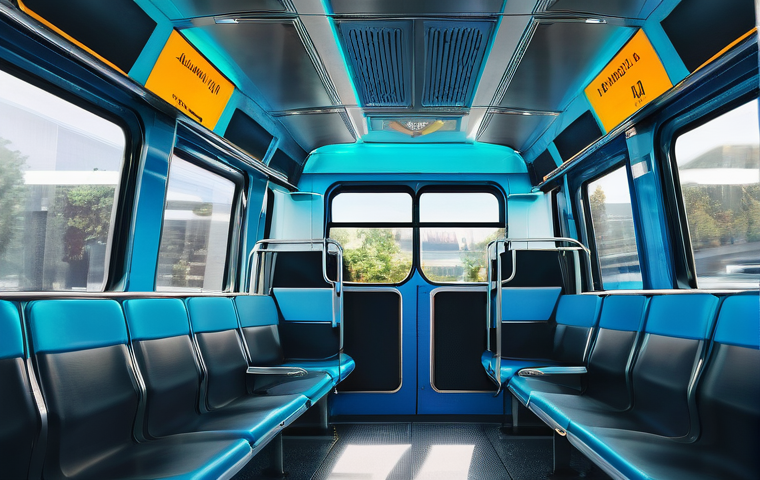
Commute time, particularly for those using public transport or carpooling, can be an excellent opportunity to connect with people who matter. I’ve started making it a point to call my mom or a friend I haven’t spoken to in a while.
It’s amazing how much more relaxed and present I can be in these conversations when I’m not multi-tasking at home or rushing through my workday. Of course, safety first if you’re driving – hands-free devices are non-negotiable!
But for bus or train commuters, it’s a perfect chance to genuinely catch up, share a laugh, or just feel more connected to your social circle. These little moments of connection inject some much-needed warmth into what can otherwise feel like a solitary and draining part of the day, making the entire journey feel more purposeful and less isolating.
Crafting Your Commute Soundtrack for Success
Music, for me, isn’t just background noise; it’s a powerful tool, a mood shifter, and sometimes, a lifesaver. I used to just let the radio decide my soundtrack, often ending up with jarring commercials or songs that didn’t quite hit the spot when I was already feeling stressed.
It took me a while to realize the incredible influence my audio environment had on my overall commute experience. Think about it: the right playlist can be like a secret weapon, helping you mentally prepare for the day ahead, unwind after a tough one, or simply escape into a world of rhythm and melody.
I’ve experimented with countless genres and artists, discovering what truly resonates with my different commute moods. This isn’t just about entertainment; it’s about intentionally curating an auditory experience that supports your mental and emotional well-being, making the journey feel less like a chore and more like a chosen experience.
Curating Your Vibe
My commute playlists are carefully crafted, almost like a personal DJ set for my day. In the mornings, I often lean towards upbeat, energetic tracks that get me feeling motivated without being too aggressive.
Think instrumental electronic music, some classic rock that puts a spring in my step, or even just feel-good pop songs. If I have a big meeting, I might opt for something more focused and classical to help me concentrate and get into a clear headspace.
On the flip side, my evening commute playlist is all about decompression. Mellow jazz, chill-out electronic, or even some acoustic folk music helps me shed the workday stresses and transition into my home life feeling calm and relaxed.
The key is to have a few different playlists ready for whatever mood you’re in or whatever you need to achieve mentally, turning your vehicle or train car into your personal sanctuary.
Silence is Golden (Sometimes)
While I’m a huge advocate for curated soundtracks, I also discovered the immense power of *silence*. There are days when my brain just feels overloaded, buzzing with information, and the last thing I need is more input.
On those days, I intentionally opt for quiet. Sometimes it’s a complete absence of sound, just allowing myself to be with my thoughts. Other times, it’s the gentle hum of the train or the quiet roar of the road, which can surprisingly be quite meditative.
It’s a chance to process the day, to let my thoughts settle, or simply to enjoy a moment of peace before the next thing demands my attention. This isn’t about avoiding; it’s about giving your mind a much-needed break from constant stimulation.
I find that these moments of silence often lead to clarity, and I arrive feeling more refreshed than if I had crammed in another podcast.
The Post-Commute Wind Down: Resetting for Your Evening
We often talk about the stress of the commute itself, but what about the invisible residue it leaves behind? For me, I used to walk through the door after a long drive feeling utterly drained, still mentally replaying traffic snarls or work frustrations.
That lingering tension would often bleed into my evening, making me short-tempered with my family or less engaged in my personal time. It took me a while to realize that the end of the commute isn’t the end of the journey; it’s just the beginning of another transition that needs its own dedicated attention.
Just as you wouldn’t jump straight from a high-intensity workout to a quiet dinner without a cool-down, transitioning from the hustle and bustle of commuting to the calm of your home life requires a deliberate “wind-down” period.
It’s about consciously shaking off the day’s stresses so you can fully embrace your evening and truly reset for the next day.
The Five-Minute Decompress
This little trick has been a game-changer for me. Before I even step foot in my house, I take five minutes – sometimes less, if I’m really pressed for time – to decompress.
If I’m driving, I’ll sit in the driveway for a moment, take a few deep breaths, maybe listen to one more song on my chill-out playlist, or simply review my day’s accomplishments.
If I’m on public transport, I might linger outside my building for a moment, or find a quiet bench nearby. This isn’t about solving problems; it’s about creating a mental separation between my “commute self” and my “home self.” I consciously visualize shedding the stress and tension of the journey, leaving it behind before I enter my personal space.
This small ritual helps me transition from work mode to home mode, allowing me to be more present and less agitated when I finally walk through the door.
Setting Boundaries for Bliss
Once I’m home, I try to establish a clear boundary between the lingering thoughts of work and the embrace of my personal life. This means no checking work emails or taking work calls for at least the first hour, ideally longer.
My phone often goes on silent, tucked away in a drawer for a bit, giving me a chance to truly disconnect. I used to immediately dive into household chores or pick up my phone, but I realized this just prolonged the stress.
Instead, I now prioritize a few minutes of unwinding: maybe a quick change of clothes, a splash of cold water on my face, or a brief chat with my partner about their day, without immediately launching into mine.
These small, intentional acts signal to my brain that the workday is officially over, and it’s time to shift gears. This dedicated “boundary time” allows me to fully engage with my evening, recharge my batteries, and truly enjoy the moments that matter most.
Concluding Thoughts
Whew, we’ve covered a lot, haven’t we? It’s truly amazing how a few simple shifts in perspective and routine can transform something as mundane as a daily commute into an opportunity for growth, peace, or even just some much-needed “me” time.
I genuinely hope that by sharing my own journey and the strategies I’ve picked up along the way, you feel empowered to reclaim your own mornings and evenings.
Remember, it’s not about achieving perfection, but about making small, consistent efforts to infuse a little more calm and control into your daily travels.
Useful Information to Know
1. Master Your Commute Apps: Before you even leave the house, make checking your preferred traffic or public transport app a non-negotiable step. Whether it’s Google Maps, Waze, or a local transit app, real-time updates can help you avoid major delays and choose alternative routes, saving you a ton of stress. A quick glance while you’re sipping your coffee can make all the difference, trust me. There’s nothing worse than driving blindly into a standstill you could have easily avoided.
2. The “Commute Emergency Kit” is Your Friend: I’ve learned the hard way that unexpected things happen. Keep a small bag with essentials in your car or backpack: a portable phone charger, a small snack, a bottle of water, maybe even a travel-sized hand sanitizer or a pain reliever. These little lifesavers can turn a minor inconvenience into a non-issue, preventing those small frustrations from escalating into full-blown meltdowns when you’re already on edge.
3. Explore Flexible Work Options: If your job allows, consider discussing flexible hours or hybrid work arrangements with your employer. Even shifting your start and end times by 30 minutes can help you bypass peak traffic hours, drastically cutting down on travel time and stress. I know several friends who’ve found that even a day or two of remote work each week completely transforms their energy levels and reduces their commute fatigue, making the in-office days much more productive.
4. Optimize Your Commute Bag: Every ounce counts, especially if you’re walking or using public transport. Take a few minutes each evening to clear out unnecessary items from your bag. Invest in a lightweight, ergonomic backpack or bag that distributes weight evenly. A messy bag can add to mental clutter, making you feel more disorganized before your day even truly begins. Keeping it light and organized not only makes the physical journey easier but also contributes to a calmer mental state.
5. Weather-Proof Your Preparation: Don’t let unexpected weather catch you off guard. A quick check of the forecast the night before can help you dress appropriately, whether that means grabbing an umbrella, wearing layers, or choosing waterproof shoes. Being comfortable and dry during your commute, especially if you’re exposed to the elements, makes a huge difference in your mood and overall experience. Trust me, showing up soaked or shivering is no way to start (or end) your day!
Key Takeaways
At the end of the day, what I’ve truly discovered is that my commute isn’t just a block of time I *have* to endure; it’s a valuable chunk of my day that I can actively *choose* to make better. It’s about shifting from a passive victim of traffic and delays to an active participant in crafting a more peaceful and productive journey. By taking control of the elements I can influence – my mindset, my preparation, and how I utilize that time – I’ve transformed a source of daily dread into an opportunity for personal growth and decompression.
Remember, preparation is your superpower. Those extra 15 minutes in the morning, the thought you put into your evening routine, and even just packing a proper breakfast, all add up to a significant reduction in stress. Moreover, the power of intentional distraction, whether it’s through a captivating podcast, an inspiring audiobook, or a carefully curated playlist, can turn wasted time into enriching experiences. Don’t underestimate the profound impact these small, consistent efforts have on your overall well-being, both on the road and throughout your entire day.
Ultimately, a successful commute isn’t about avoiding every single challenge – because let’s be real, life happens – but rather about building resilience. It’s about learning to breathe through the frustrating moments, embracing perspective when things go awry, and consistently choosing to approach your journey with a sense of calm and purpose. You have the power to turn your daily travel from a taxing chore into a meaningful part of your day. It’s a journey, not a race, and with these strategies, you’re well on your way to making it a much more enjoyable one!
Frequently Asked Questions (FAQ) 📖
Q: This daily commute stress is absolutely draining! What are some practical, real-world tips I can actually use to make it less miserable, especially when remote work isn’t an option every day?
A: Oh, trust me, I completely get it! That feeling of dread before even starting your day, thanks to traffic or packed trains, is something I’ve personally battled.
While we can’t always escape the commute, we can totally change how we experience it. One game-changer for me was transforming that “dead time” into “me time.” Instead of letting the road rage simmer, I started listening to engaging podcasts – think true crime, personal development, or even a hilarious comedy show.
Audiobooks are another lifesaver; I’ve devoured so many incredible stories that way! If you’re on public transport, maybe try some mindfulness apps. Just five minutes of guided meditation can honestly reset your whole vibe before you even step into the office.
I also found that leaving just 15 minutes earlier, if possible, can dramatically reduce the stress of feeling rushed. No more frantic coffee grabs, you know?
Consider carpooling if you can; sharing the drive often means sharing the mental load, and sometimes, a good chat can make the time fly. It’s about taking back control of those precious minutes and turning them into something positive, rather than just enduring them.
Q: Many of us hoped remote work would magically fix all our commute woes, but now I feel like I’m still stressed, just in new ways. What’s going on, and how do I tackle this “new stress”?
A: You hit the nail on the head! It’s such a common misconception that working from home is this perfect antidote to all work-related stress, but my experience (and what I’ve heard from so many of you!) is that it just shifts the landscape.
For hybrid workers, it’s often the inconsistency – adapting to office days versus home days, dealing with “commute guilt” for errands, or even longer drives on office days because we’re not doing it daily.
But for fully remote folks too, new stressors emerge. The biggest one? The blurring lines between work and home life.
Suddenly, your living room is your office, and it’s so easy to feel like you’re “always on.” My top tip here is to establish clear boundaries, just like you would for a physical commute.
“Commute” to your home office with a short walk around the block before you start. Clock out by closing your laptop and physically leaving your workspace, even if it’s just to another room.
Make time for those “water cooler” moments virtually, too, to combat isolation. Remember, the goal isn’t just to avoid traffic; it’s to foster a healthy work-life balance, wherever you’re working from.
Q: Beyond the immediate frustration, what are the long-term effects of a constantly stressful commute on my health and even my career? It feels like it’s taking a bigger toll than just a bad start to the day.
A: It absolutely is, and I’m so glad you brought this up because it’s a critical point we often overlook until it’s too late. The cumulative effect of a highly stressful commute is no joke.
I’ve personally noticed how it can creep into your mental and physical health. Think about it: that daily dose of stress hormones like cortisol can lead to chronic anxiety, sleep disturbances, and even contribute to things like high blood pressure over time.
My own experience showed me how easily that morning tension could lead to irritability at work, impacting my focus and patience. Researchers have even linked longer, more stressful commutes to lower job satisfaction and increased burnout rates.
It’s not just about getting to work; it’s about how you arrive. If you’re consistently arriving feeling depleted and agitated, it’s going to chip away at your productivity, creativity, and even your relationships with colleagues.
Over the long term, this can subtly impact your career progression, making you less likely to pursue opportunities or more prone to feeling overwhelmed.
Prioritizing commute well-being isn’t a luxury; it’s an investment in your health, your happiness, and your professional future.
📚 References
Wikipedia Encyclopedia
구글 검색 결과
구글 검색 결과
구글 검색 결과
구글 검색 결과
구글 검색 결과