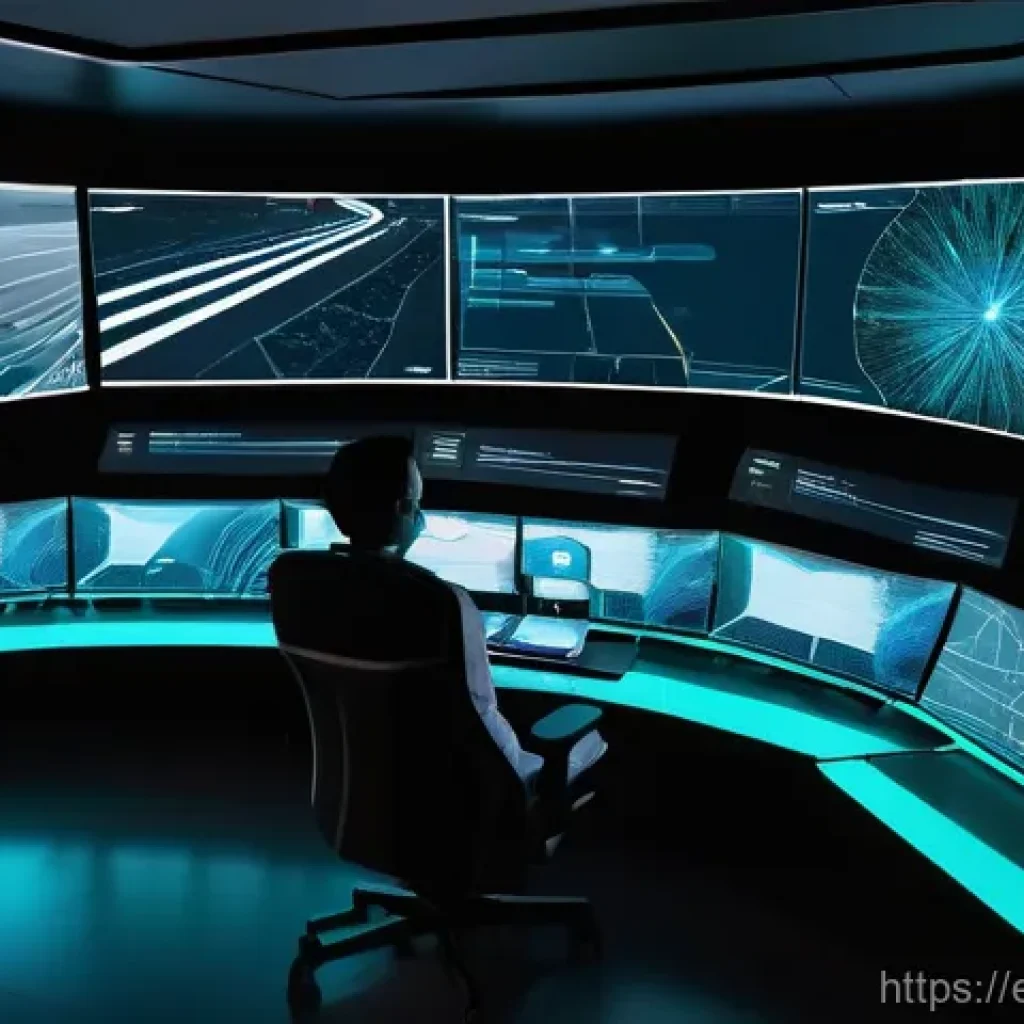
Have you ever paused to think about how quickly the way we move is changing? I mean, one minute we’re stuck in traffic, the next we’re hearing about autonomous cars and electric trucks making silent deliveries.
From my vantage point, watching these advancements unfold, I’ve personally seen how smart logistics and urban mobility innovations are completely reshaping industries and, naturally, the career paths within them.
It genuinely makes you wonder, doesn’t it? What does this mean for our jobs, or for anyone looking to step into this incredibly dynamic field? The landscape is shifting fast, and understanding where the opportunities lie is more crucial than ever.
Let’s explore exactly what the future holds for jobs in transportation.
Navigating the New Era of Autonomous Transportation
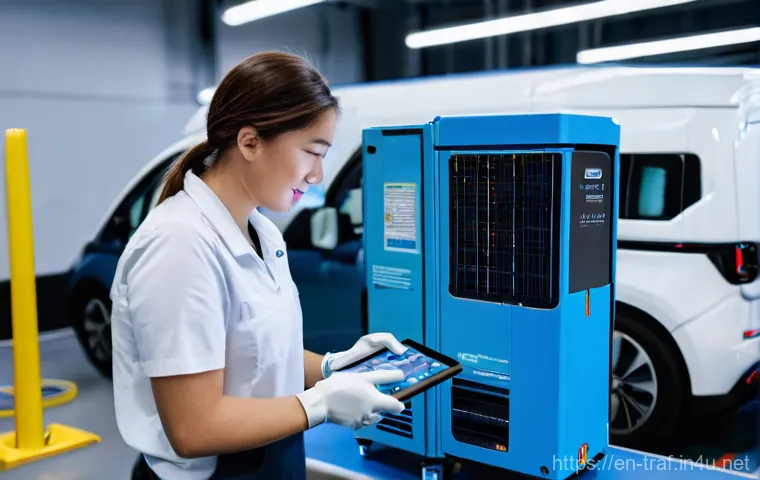
It’s incredible to witness the sheer pace at which autonomous technologies are infiltrating our transportation systems. I remember just a few years ago, self-driving cars felt like something out of a sci-fi movie, but now, they’re a tangible reality, shaping not just how we move goods and people, but also the types of jobs that are emerging. From my own observations, this shift isn’t about replacing every human role outright; it’s about transforming them. We’re seeing a significant demand for engineers and technicians who can design, develop, and maintain these sophisticated systems. Think about the complex algorithms that allow a self-driving truck to navigate a busy highway, or the intricate sensor arrays that keep an autonomous delivery drone on course. These aren’t set-and-forget systems; they require constant oversight, upgrades, and troubleshooting. Personally, I’ve spoken with countless professionals who are now specializing in areas like lidar and radar calibration, AI training data annotation, and even the ethical programming of autonomous decision-making. It’s a field that blends mechanical aptitude with advanced software knowledge, creating a truly unique and intellectually stimulating career path for those willing to dive in.
Developing Autonomous Systems
The core of this transformation lies in the development phase. We’re talking about a massive ecosystem that includes software engineers crafting the AI that drives these vehicles, hardware engineers designing the robust components, and systems engineers ensuring everything works together seamlessly. My experience tells me that companies are desperately seeking individuals with a strong foundation in robotics, machine learning, and computer vision. It’s not just about getting a vehicle from point A to point B; it’s about optimizing routes, predicting traffic patterns, and reacting safely to unforeseen circumstances, all without human intervention. This area is booming, and the opportunities range from working at established automotive giants to innovative startups pushing the boundaries of what’s possible.
Maintaining and Operating Fleets
While the focus is often on development, the operational side of autonomous transportation is equally vital and provides a wealth of career opportunities. Once these vehicles are on the road, they need continuous monitoring, maintenance, and support. This has given rise to roles like remote operations specialists, who can oversee multiple autonomous vehicles from a central control hub, intervening only when absolutely necessary. There’s also a growing need for skilled technicians who can perform diagnostics, replace components, and update software on these highly specialized machines. From what I’ve seen, the job of a traditional mechanic is evolving; they’re becoming more like tech specialists, troubleshooting complex electronic and software issues rather than just wrenching on engines. It’s a hands-on field, but with a significant digital twist.
The Electrification Revolution: Driving Green Careers
Honestly, the sheer scale of the shift towards electric vehicles (EVs) is breathtaking. It’s not just about sleek new cars; it’s fundamentally changing commercial logistics, public transport, and even marine and air travel. From my perspective, watching this unfold has been fascinating because it’s not just an environmental push; it’s an economic and technological one too. The demand for everything from battery technology specialists to charging infrastructure planners is skyrocketing. This isn’t just a fleeting trend; it’s a foundational change that will impact transportation for decades to come. When I look at the job market, I see a vibrant landscape of opportunities for those who are passionate about sustainable solutions and cutting-edge engineering. We’re talking about building an entirely new energy ecosystem around transport, and that requires a vast array of skills and expertise. It truly feels like we’re at the cusp of a truly sustainable future, and careers in this space are at the heart of it.
Battery Technology and Management
At the core of the EV revolution are batteries, and the jobs related to their development, production, and management are incredibly hot right now. Companies are constantly pushing the boundaries of battery chemistry, trying to achieve greater energy density, faster charging times, and longer lifespans. This creates demand for material scientists, chemical engineers, and manufacturing specialists who can bring these innovations to life. Beyond production, there’s a critical need for battery management system (BMS) engineers who ensure the safety, efficiency, and longevity of these power sources within vehicles. My personal insight tells me that expertise in thermal management, cell balancing, and predictive analytics for battery health will be goldmines for future job seekers. This area also extends into recycling and second-life applications for EV batteries, creating an entirely new circular economy sector.
Charging Infrastructure and Grid Integration
An electric fleet is only as good as its charging network, and building out this infrastructure presents another massive wave of job opportunities. We need electrical engineers to design robust charging stations, software developers to create smart charging management systems, and project managers to oversee the installation of these networks across cities and highways. Furthermore, integrating millions of EVs into existing power grids requires significant planning and innovation. This means roles for grid modernization experts, renewable energy integration specialists, and energy economists who can model and optimize power flow. I’ve personally observed that many utilities and energy companies are now investing heavily in this space, recognizing the need to support the incoming wave of electric transport. It’s a fascinating blend of civil engineering, electrical engineering, and IT, creating a dynamic environment for skilled professionals.
Data Science and AI: The Brains Behind Smart Mobility
It’s genuinely mind-boggling how much data is now generated by our transportation systems. Every sensor in a self-driving car, every GPS ping from a delivery truck, every tap of a transit card – it all contributes to a massive ocean of information. From my perspective, this data isn’t just noise; it’s the fuel that powers the next generation of smart logistics and urban mobility. And that’s where data scientists and AI specialists come in. These are the folks who can sift through all that information, extract meaningful insights, and build predictive models that optimize everything from traffic flow to parcel delivery routes. I’ve personally seen how companies are using AI to anticipate congestion before it happens or to schedule maintenance for a vehicle before a part actually fails. It’s about moving from reactive to proactive, and it’s completely reshaping how we manage complex transportation networks. For anyone with a knack for numbers and a passion for problem-solving, this is a truly exhilarating field to be in.
Predictive Analytics and Optimization
The ability to predict and optimize is crucial in modern transportation, and this is where data science truly shines. Professionals in this area develop algorithms to forecast demand for ride-sharing services, optimize delivery routes to minimize fuel consumption, or predict maintenance needs for vehicle fleets. This involves working with huge datasets, applying advanced statistical models, and utilizing machine learning techniques. I’ve heard from many industry experts that the demand for individuals skilled in Python, R, and specialized data visualization tools is insatiable. It’s about turning raw data into actionable strategies that save time, money, and resources, making transportation systems far more efficient than ever before. If you enjoy solving complex puzzles with real-world impact, this could be your calling.
Intelligent Traffic Management Systems
Imagine a city where traffic flows almost effortlessly, where congestion is a rarity, and emergency vehicles can reach their destinations without delay. This isn’t a pipe dream; it’s the goal of intelligent traffic management systems, heavily reliant on AI and data science. These systems use real-time data from cameras, sensors, and connected vehicles to dynamically adjust traffic lights, manage lane usage, and even communicate with autonomous vehicles. This field requires professionals who can develop sophisticated AI models for traffic prediction, design adaptive control systems, and implement smart infrastructure solutions. From what I’ve seen, cities around the globe are investing heavily in these technologies, creating a steady stream of job opportunities for those who want to help build the cities of tomorrow.
Reshaping Our Urban Landscape: The Future of Urban Planning and Infrastructure
You know, it’s not just the vehicles themselves that are changing; it’s the very fabric of our cities and the infrastructure that supports them. When I look at how urban areas are evolving, I see a direct correlation with innovations in smart logistics and mobility. Urban planners, architects, and civil engineers are no longer just designing roads and buildings; they’re creating ecosystems that seamlessly integrate autonomous vehicles, electric charging stations, micro-mobility hubs, and even drone delivery zones. It’s a holistic approach that demands foresight and a deep understanding of future transportation trends. My personal take is that this field offers an incredible opportunity to shape the environment we live in, making cities more efficient, sustainable, and enjoyable for everyone. It’s about blending traditional planning principles with cutting-edge technology to address the challenges of modern urban living.
Designing Smart Cities for Mobility
The concept of a “smart city” is really coming into its own, and mobility is at its heart. This means urban planners are now tasked with designing infrastructure that supports multi-modal transportation, from high-speed rail to shared electric scooters, and importantly, autonomous public transit. They need to consider how to create dedicated lanes for AVs, strategically place charging hubs, and even integrate vertical take-off and landing (VTOL) facilities for future air taxis. These roles require a blend of traditional urban planning expertise with a strong grasp of emerging technologies. I’ve personally observed that collaborative efforts between city governments, tech companies, and community stakeholders are key to successfully implementing these ambitious visions, offering diverse and impactful career paths.
Next-Generation Infrastructure Development
Beyond planning, there’s the monumental task of actually building and upgrading the physical infrastructure. This isn’t just about pouring concrete anymore; it’s about installing embedded sensors in roadways, deploying advanced communication networks (like 5G) to support connected vehicles, and developing resilient smart grids for electrification. Civil engineers, construction managers, and infrastructure developers are increasingly working with cutting-edge materials and digital twin technologies to optimize construction and maintenance. My experience tells me that roles focusing on smart bridges, adaptive roadways, and integrated utility corridors are becoming paramount. It’s a field that demands innovation, resilience, and a forward-thinking approach to ensure our physical world can keep pace with our technological advancements.
Mastering the Last Mile: Innovations in Delivery and Logistics
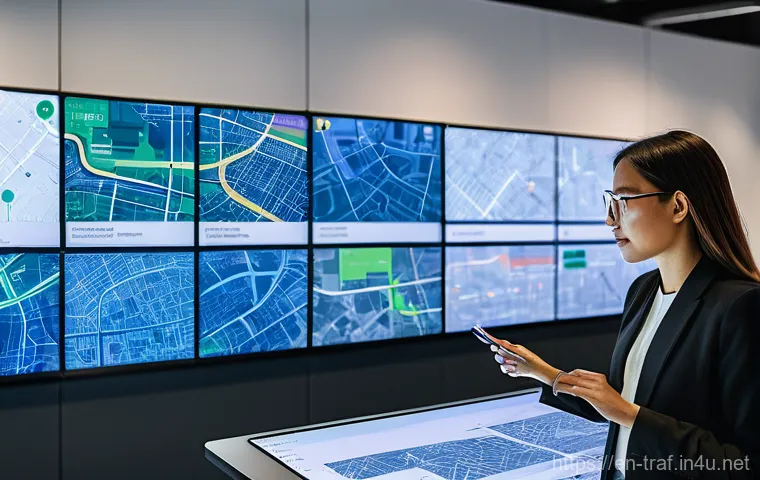
If there’s one area of transportation that has seen a whirlwind of change, it’s certainly last-mile delivery. Just think about it: we’ve gone from waiting days for packages to expecting them within hours, sometimes even minutes! From my vantage point, this acceleration has created an incredibly dynamic landscape, and with it, a whole new array of job opportunities. It’s not just about package handlers and truck drivers anymore – though those roles are still vital. Now, we’re talking about drone operators, robot logistics managers, and specialists in hyper-local distribution. I’ve personally been fascinated by how companies are leveraging AI and automation to make this final leg of delivery as efficient and cost-effective as possible. It genuinely feels like a race to innovate, and anyone with a passion for efficiency and a willingness to embrace new tech will find themselves right at home here. The focus is always on speed, precision, and customer satisfaction, pushing the boundaries of what was once thought possible.
Automated Delivery Systems
The push for speed and efficiency in last-mile logistics has led to a surge in automated delivery systems. This includes everything from autonomous ground vehicles (AGVs) navigating sidewalks to delivery drones soaring through the air. These technologies require a new breed of professionals: drone pilots and operators who manage fleets of aerial delivery units, robotics technicians who maintain and troubleshoot AGVs, and software engineers who develop the routing and navigation systems. My experience has shown that these roles often involve a blend of technical expertise and logistical understanding. It’s about ensuring these automated systems can operate safely, efficiently, and in compliance with local regulations. The legal and ethical considerations around autonomous delivery also create opportunities for policy specialists and compliance officers, adding another layer of complexity and interest to this rapidly growing sector.
Micro-Warehousing and Hyper-Local Logistics
To truly master the “last mile,” companies are rethinking their entire distribution networks. This has led to the rise of micro-warehouses – smaller, strategically located distribution centers closer to urban populations. These facilities require logistics managers who can optimize inventory within confined spaces, supply chain analysts who can predict hyper-local demand, and operations specialists who can manage a diverse fleet of delivery methods, often including electric bikes and cargo scooters. I’ve personally seen how this shift is creating demand for professionals who are adept at urban planning principles applied to logistics, understanding local traffic patterns, and integrating various modes of transport. It’s a dynamic field where problem-solving and adaptability are highly valued, offering a chance to directly impact consumer convenience and environmental sustainability.
Safeguarding the Connected Journey: Cybersecurity in Transportation
You know, as our transportation systems become increasingly connected and autonomous, there’s a flip side we absolutely can’t ignore: cybersecurity. It’s something I’ve spent a lot of time thinking about, because as amazing as smart cars and intelligent traffic networks are, they also present new vulnerabilities. Imagine a hacker gaining control of an entire fleet of autonomous vehicles, or disrupting a city’s public transit system. The potential for chaos is enormous. From my perspective, this has created an urgent and critical demand for cybersecurity professionals who specialize in transportation. These aren’t just IT security generalists; they’re experts who understand the unique protocols, hardware, and operational technology (OT) used in vehicles, rail systems, and air traffic control. I’ve personally seen the industry scramble to catch up, and for anyone with a strong background in cyber defense and a passion for protecting critical infrastructure, this is an incredibly impactful and well-compensated field. It truly feels like the digital guardians of our future mobility.
Vehicle and Fleet Security
Modern vehicles are essentially computers on wheels, packed with sensors, communication systems, and complex software. This makes them prime targets for cyberattacks, ranging from remote hijacking to data theft. Cybersecurity roles in this area involve designing secure in-vehicle networks, developing intrusion detection systems, and performing penetration testing on vehicle software. Professionals need to understand automotive communication protocols like CAN bus, Ethernet, and various wireless standards. My experience tells me that there’s a strong demand for individuals who can identify vulnerabilities in firmware, protect vehicle data from malicious actors, and ensure the integrity of over-the-air software updates. These roles are about preventing real-world catastrophic events and maintaining the trust consumers place in advanced automotive technology.
Infrastructure and Network Protection
Beyond individual vehicles, the entire transportation infrastructure is now interconnected, from traffic management systems and charging networks to logistics platforms and public transit ticketing systems. Protecting this vast digital landscape is a monumental task. Cybersecurity specialists in this domain work to secure the communication networks that link everything together, safeguard critical control systems, and protect vast databases of operational and personal data. This includes defending against ransomware attacks, preventing denial-of-service attacks on traffic control, and ensuring the resilience of critical infrastructure against nation-state threats. I’ve personally seen that expertise in industrial control system (ICS) security, cloud security, and network forensics is highly sought after. These roles are at the forefront of protecting societal functionality, making them incredibly important and challenging.
Upskilling and Reskilling: Preparing for the New Mobility Paradigm
Let’s be real: all these incredible advancements mean that the skills needed in the transportation sector are evolving faster than ever before. It’s easy to feel a bit overwhelmed by the pace of change, but from my experience, it’s also a huge opportunity. The good news is that many traditional roles aren’t disappearing entirely; they’re transforming. This means there’s a massive push for upskilling and reskilling existing workforces, as well as educating the next generation with the right competencies. I’ve personally witnessed how truck drivers are now being trained to monitor autonomous systems, or how mechanics are learning to diagnose electric vehicle powertrains. This isn’t just about learning new software; it’s about developing a broader understanding of interconnected systems and adopting a continuous learning mindset. For anyone looking to stay relevant or break into this dynamic field, investing in new skills is absolutely paramount. It’s an exciting time to learn and adapt, and the resources for doing so are becoming more accessible than ever before.
Bridging the Skills Gap
The transition to smart, electric, and autonomous transportation has created a noticeable skills gap. Companies are actively seeking individuals with expertise in areas like robotics, AI, data analytics, and advanced manufacturing, and there simply aren’t enough qualified candidates to go around. This creates a fantastic opportunity for those willing to invest in new training. Universities are launching specialized programs, technical colleges are adapting their curricula, and online platforms are offering certifications in these high-demand areas. From what I’ve observed, many organizations are also providing internal training programs to help their existing employees transition into new roles. It’s a collective effort to build the workforce of tomorrow, and it means that lifelong learning is no longer a luxury but a necessity for career advancement in this sector.
New Training and Educational Pathways
For those looking to enter or advance in the evolving transportation sector, there are increasingly diverse pathways. Beyond traditional university degrees, specialized bootcamps in AI engineering, robotics, and EV technology are proving incredibly effective for rapid skill acquisition. Apprenticeship programs, blending on-the-job training with theoretical learning, are also gaining traction, particularly in areas like autonomous vehicle maintenance and charging infrastructure installation. My personal advice is to seek out programs that offer hands-on experience and connections to industry leaders. The goal isn’t just theoretical knowledge; it’s practical application. This ensures graduates are job-ready and can hit the ground running in roles that are crucial for shaping the future of how we move.
| Traditional Transportation Roles | Evolving/New Transportation Roles | Key Skills for the Future |
|---|---|---|
| Truck Driver | Autonomous Vehicle Operator/Supervisor, Fleet Optimization Specialist | AI monitoring, remote operations, data analysis, ethical decision-making |
| Automotive Mechanic | EV Technician, Robotics Maintenance Engineer, Diagnostic Software Specialist | Battery systems, power electronics, embedded software, network diagnostics |
| Traffic Engineer | Smart City Mobility Planner, AI Traffic System Architect | Data science, machine learning, sensor integration, urban planning |
| Logistics Coordinator | Last-Mile Delivery Strategist, Drone/Robot Fleet Manager | Supply chain analytics, automation management, geospatial intelligence |
| Public Transit Operator | Autonomous Transit System Manager, Passenger Experience Designer | System oversight, human-machine interaction, data privacy, customer service |
| IT Security Analyst | Automotive Cybersecurity Engineer, Critical Infrastructure Defender | OT security, ethical hacking, threat intelligence, secure coding |
Concluding Thoughts
It’s truly a privilege to witness and be a part of this incredible transformation in transportation. The journey ahead is certainly filled with challenges, but also with immense opportunities for innovation, growth, and meaningful careers.
What stands out to me the most is the undeniable human element in all of it – the brilliant minds driving these advancements, the collaborative spirit pushing boundaries, and the individuals like you who are eager to learn and adapt.
This isn’t just about technology; it’s about reshaping our world for the better, making our cities smarter, our commutes smoother, and our planet healthier.
I’m genuinely excited to see where these pathways lead us, and I hope this dive into the future of mobility has sparked some inspiration in you!
Helpful Tips & Resources
1. Continuous Learning is Your Superpower: The pace of change in smart mobility is dizzying! To stay ahead, make lifelong learning a habit. Whether it’s online courses, industry certifications in AI or EV tech, or even just following key thought leaders, always be on the lookout for new knowledge.
2. Network, Network, Network: Connect with professionals in the autonomous, electric, and smart city sectors. Attend virtual conferences, join LinkedIn groups, or participate in local meetups. You’d be amazed how a casual conversation can open doors to new opportunities or provide invaluable insights.
3. Hands-On Experience is Gold: Theory is great, but practical experience is what truly sets you apart. Look for internships, volunteer opportunities, or personal projects that allow you to work directly with emerging technologies, whether it’s programming a small robot or setting up a home charging station.
4. Understand the Eco
5. Read Industry Publications & Blogs: Keep up-to-date with the latest breakthroughs and trends. Subscribing to newsletters from leading tech companies, mobility startups, and research institutions will give you a regular dose of cutting-edge information directly to your inbox.
Key Takeaways
The transportation sector is undergoing a profound metamorphosis, driven by autonomous systems, electrification, and intelligent data. This isn’t just about new vehicles, but an entire reimagining of our cities and infrastructure. We’re seeing a massive demand for interdisciplinary talent, blending traditional engineering with advanced software, data science, and cybersecurity expertise. Personal experience has taught me that adaptability and continuous learning are no longer optional but essential for anyone looking to thrive in this exciting new paradigm. From securing connected vehicles to designing smart urban landscapes, the opportunities are vast and impactful. It’s a dynamic era that promises not only career growth but also the chance to shape a more efficient, sustainable, and connected future for everyone.
Frequently Asked Questions (FAQ) 📖
Q: What new roles are we actually seeing emerge in transportation with all these tech shifts?
A: This is such a critical question, and honestly, one I’ve been pondering quite a bit myself as I watch these changes unfold. When I first started looking at this space, I admit, I mostly thought about the traditional drivers and logistics managers.
But what I’ve personally observed is a fascinating expansion beyond that! We’re talking about entirely new categories of jobs. Think about “Autonomous Vehicle Fleet Managers” – someone has to oversee those self-driving trucks and cars, optimizing routes, managing predictive maintenance, and troubleshooting when something unexpected happens.
Then there are “Urban Mobility Planners” who use sophisticated data analytics to design more efficient public transport systems, micro-mobility solutions, and even things like drone delivery networks in our increasingly crowded cities.
I’ve even chatted with folks who are becoming “Logistics AI Specialists,” building the very algorithms that predict demand and optimize supply chains down to the minute.
It’s truly a world where data scientists, software engineers, and even ethicists (especially for AI decision-making in transport!) are becoming just as vital to moving goods and people as the mechanics and drivers of old.
It genuinely feels like every day there’s a new, tech-driven title popping up that links innovation directly to getting things from A to B.
Q: Beyond the technical skills, what soft skills should I really be focusing on to thrive in these evolving transportation jobs?
A: Ah, now that’s where the rubber truly meets the road, isn’t it? It’s absolutely not just about knowing the latest gadget or software. From what I’ve personally witnessed, the most successful people in this transforming field aren’t just tech-savvy; they’re incredibly adaptable, natural problem-solvers, and excellent communicators.
For instance, learning to analyze data – even if you’re not a full-blown data scientist – is becoming huge. Understanding how to interpret what those smart logistics systems are telling you, identifying trends, and making informed decisions based on that information can be a total game-changer for your career.
Critical thinking is paramount – when an autonomous delivery system hits an unforeseen snag, you need to think on your feet and solve that issue, not just follow a static manual.
And honestly, communication skills are more important than ever. As we integrate more complex systems and increasingly diverse, often remote teams, being able to clearly explain technical issues, collaborate effectively with different departments, and articulate solutions is a massive asset.
I’ve personally seen how those who embrace continuous learning – always picking up a new certification, diving into an online course about, say, IoT in logistics, or just reading widely about emerging trends – are the ones who truly stand out and make themselves indispensable.
Q: Will traditional transportation jobs completely disappear, or will they simply transform with these innovations?
A: This is probably the biggest worry I hear, and it’s a very valid one. My take, based on everything I’ve seen and discussed with countless industry insiders, is that “disappear” is far too strong a word for most roles.
“Transform” is absolutely the key here. Think about truck drivers, for example. While autonomous trucks might handle long-haul routes between major hubs, there will still be a massive, ongoing need for “last-mile” delivery drivers who can navigate complex urban environments, interact directly with customers, and handle specialized cargo or specific delivery requirements.
Or consider mechanics: they won’t be working on traditional internal combustion engines as much, but they’ll evolve into highly skilled “electric vehicle technicians” or “robotics maintenance specialists,” requiring entirely new diagnostic and repair skills for sophisticated electronic systems and software.
I genuinely believe it’s about upskilling and reskilling existing workforces, and creating new roles that leverage human ingenuity alongside technology.
The human element – especially in oversight, complex problem-solving, customer service, and strategic planning – will remain absolutely irreplaceable.
It’s an exciting challenge, actually, to see how our roles will evolve and grow alongside these amazing technological advancements.