The transportation industry is evolving at an unprecedented pace, reshaping how people and goods move across the globe. From electric vehicles gaining traction to the rise of autonomous delivery services, each sector faces unique opportunities and challenges.
Understanding these shifts is crucial for investors, professionals, and enthusiasts alike. Whether it’s ride-sharing platforms or freight logistics, the landscape is rich with innovation and growth potential.
Let’s dive deeper and explore what the future holds for each transportation segment in detail!
Electric Vehicles and Sustainable Mobility
Rapid Adoption and Infrastructure Development
The electric vehicle (EV) market has experienced explosive growth in recent years, with more consumers opting for cleaner alternatives to traditional gasoline-powered cars.
I’ve noticed firsthand how urban areas, especially in the US and Europe, are investing heavily in charging infrastructure, making EV ownership more practical than ever.
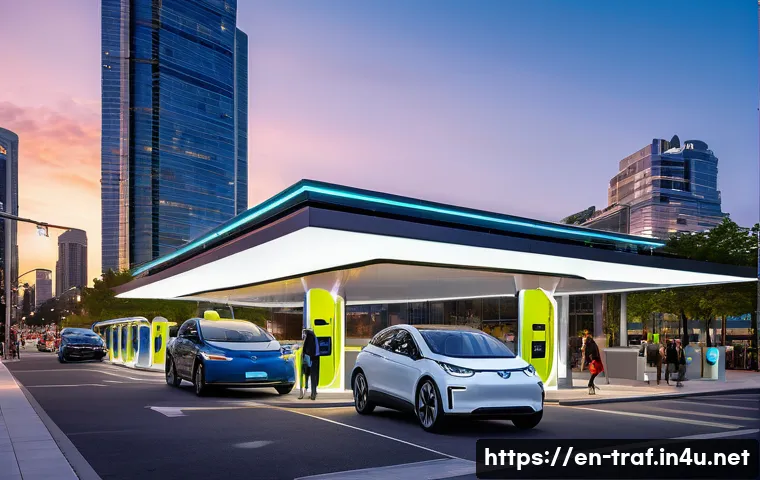
Cities like Los Angeles and Amsterdam are leading the charge with fast-charging stations conveniently located near shopping centers, offices, and residential areas.
The expanding charging network is critical to reducing range anxiety, one of the biggest hurdles for potential EV buyers. Governments are also offering incentives, such as tax credits and rebates, which have significantly boosted sales figures.
From what I’ve seen, the combination of improved battery technology, lower costs, and supportive policies is accelerating the transition toward electrified transportation.
Battery Innovation and Supply Chain Challenges
Battery technology remains at the heart of EV advancement, with solid-state batteries and enhanced lithium-ion chemistries promising longer ranges and shorter charging times.
However, securing a stable supply of raw materials like lithium, cobalt, and nickel is proving tricky due to geopolitical tensions and growing demand.
In conversations with industry insiders, I’ve learned that manufacturers are increasingly focusing on recycling and alternative materials to mitigate these risks.
While this supply chain complexity poses short-term challenges, it’s driving innovation and fostering collaborations between automakers and mining companies.
The push toward sustainability is also prompting companies to improve their environmental and ethical sourcing standards, which is a positive shift for the industry’s reputation.
Consumer Behavior and Market Dynamics
One fascinating trend I’ve observed is how consumer attitudes toward EVs have evolved beyond environmental concerns to include performance and technology features.
Many buyers now prioritize vehicles with advanced driver-assistance systems, connectivity, and sleek designs. The rise of EV startups alongside traditional automakers is injecting fresh competition and diversity into the market.
However, price remains a barrier for many, particularly in emerging markets where EV adoption is slower. Automakers are experimenting with more affordable models and subscription-based ownership plans to broaden appeal.
Overall, the EV landscape is dynamic and ripe with opportunities, but companies must navigate technological, economic, and behavioral factors to capture lasting growth.
Autonomous Vehicles and Smart Transportation
Progress in Self-Driving Technology
The progress in autonomous vehicle (AV) technology has been impressive, though it’s clear from industry reports and real-world testing that fully driverless cars are still a few years away from widespread adoption.
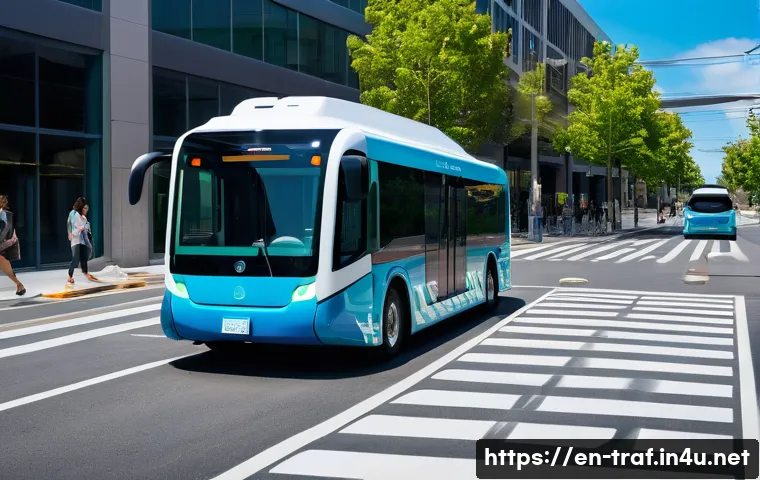
I’ve followed several pilot programs in cities like Phoenix and Singapore where AVs are operating in controlled environments, ferrying passengers and delivering goods.
These pilots reveal the complex challenges of navigating unpredictable urban traffic, weather conditions, and human behaviors. Sensor fusion, machine learning, and 5G connectivity are driving improvements, but regulatory hurdles and public acceptance remain significant barriers.
The gradual rollout of semi-autonomous features in consumer vehicles, such as adaptive cruise control and lane keeping, is familiarizing drivers with automation and building trust.
Impact on Urban Mobility and Safety
Autonomous vehicles have the potential to revolutionize urban mobility by reducing traffic congestion, lowering accident rates, and enhancing accessibility for non-drivers.
From my conversations with city planners, there’s optimism that AVs can complement public transit by solving “last-mile” challenges, especially in sprawling metropolitan areas.
However, integrating AVs into existing traffic systems requires smart infrastructure investments and policy frameworks that prioritize safety and data privacy.
The shift to shared autonomous fleets rather than private ownership could also reduce parking demand and free up urban space for green zones and pedestrian areas.
While the full benefits are still unfolding, the promise of safer, more efficient transportation is a compelling driver behind continued innovation.
Business Models and Industry Disruption
The rise of autonomous technology is reshaping the transportation industry’s business models. Ride-hailing companies are investing heavily in AV research to reduce driver costs and improve service availability.
Logistics firms are exploring autonomous trucks and drones to optimize last-mile delivery and cut operational expenses. I’ve noticed that partnerships between tech firms, automakers, and cities are becoming essential to navigate this complex ecosystem.
Despite the excitement, uncertainty remains about who will own and operate autonomous fleets and how revenue will be shared. The winners in this space will likely be those who can seamlessly integrate hardware, software, and service platforms while addressing regulatory and societal concerns.
Ride-Sharing and Mobility as a Service (MaaS)
Evolution of Consumer Preferences
Ride-sharing has transformed urban transportation by offering flexible, on-demand mobility without the need for car ownership. From my own experience using platforms like Uber and Lyft, the convenience and cost-effectiveness are undeniable.
Yet, consumer preferences are shifting towards multi-modal mobility solutions that combine ride-sharing with public transit, bike-sharing, and scooters.
This has led to the emergence of Mobility as a Service (MaaS) platforms, which integrate various transport options into a single app. MaaS aims to provide seamless end-to-end journeys, catering to diverse needs from daily commuting to occasional trips.
The challenge lies in coordinating multiple stakeholders and aligning pricing models to encourage sustainable travel habits.
Regulatory Environment and Market Competition
Regulatory frameworks for ride-sharing vary widely across regions, impacting market dynamics and growth potential. Cities often grapple with balancing innovation and public safety, imposing restrictions on surge pricing, driver qualifications, and vehicle emissions.
I’ve observed that in some areas, traditional taxi services still dominate due to regulatory protections, while others embrace ride-sharing as part of a broader mobility strategy.
Competition is intense not only among ride-hailing companies but also from emerging micro-mobility services. The evolving regulatory landscape demands agility from operators, who must continuously adapt to local policies while striving to maintain profitability.
Future Trends and Business Sustainability
Looking ahead, ride-sharing companies are investing in electrifying their fleets and integrating autonomous technologies to reduce costs and emissions.
Subscription and loyalty programs are gaining traction as ways to retain customers and encourage regular usage. I’ve also noticed a growing emphasis on safety features, including in-app emergency assistance and driver background checks, to enhance user trust.
To remain sustainable, companies need to balance growth with social responsibility and environmental impact. Partnerships with cities and transit authorities could unlock new revenue streams and improve service integration.
The ride-sharing sector remains a hotbed of innovation but must navigate complex challenges to thrive in the long term.
Freight and Logistics Innovation
Automation and Robotics in Warehousing
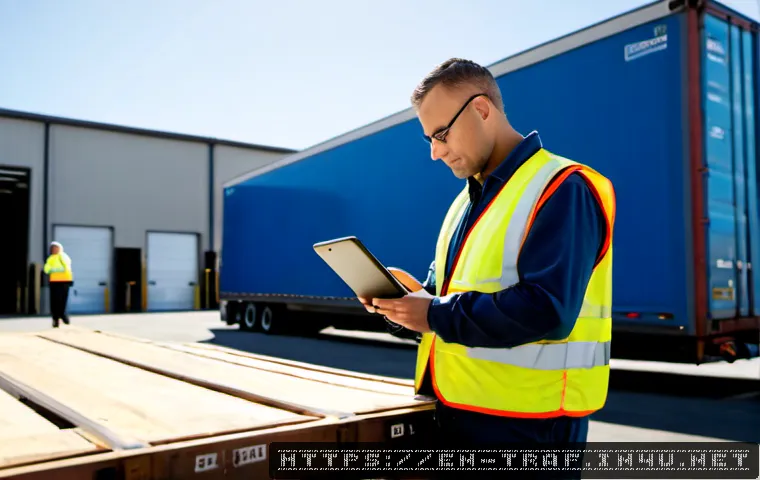
The logistics sector is undergoing a radical transformation driven by automation and robotics. In my visits to several fulfillment centers, I’ve seen how automated guided vehicles (AGVs), robotic arms, and AI-powered inventory systems dramatically increase efficiency and reduce errors.
These technologies enable faster order processing and better space utilization, which are crucial in the age of e-commerce. However, the shift also raises workforce concerns, as traditional warehouse jobs evolve or diminish.
Companies are investing in employee retraining programs to manage this transition. Automation in warehousing is not just a cost-saving measure but a strategic move to meet growing consumer demands for speed and accuracy.
Smart Supply Chains and Real-Time Tracking
Supply chain visibility has become a competitive advantage, and smart logistics technologies are enabling real-time tracking of shipments, predictive analytics, and dynamic routing.
From conversations with logistics managers, I’ve learned that these capabilities improve responsiveness and reduce disruptions caused by weather, traffic, or geopolitical issues.
Blockchain is gaining attention as a tool for enhancing transparency and security in supply chains. While implementation can be complex and costly, the payoff in operational resilience and customer satisfaction is substantial.
Integrating Internet of Things (IoT) sensors and cloud platforms is turning supply chains into intelligent networks that can adapt quickly to changing conditions.
Environmental Impact and Green Logistics
Sustainability is becoming a critical consideration in freight and logistics, with companies exploring ways to reduce carbon footprints and waste. I’ve followed initiatives like electric delivery trucks, optimized route planning, and eco-friendly packaging solutions.
Some logistics providers are partnering with renewable energy companies to power warehouses and vehicles, signaling a shift towards greener operations.
Customers increasingly demand transparency about environmental practices, influencing purchasing decisions and brand loyalty. Balancing cost pressures with sustainability goals remains a challenge, but the long-term benefits include regulatory compliance, operational efficiency, and enhanced corporate reputation.
Urban Transportation and Micro-Mobility Solutions
Growth of E-Scooters and Bike-Sharing
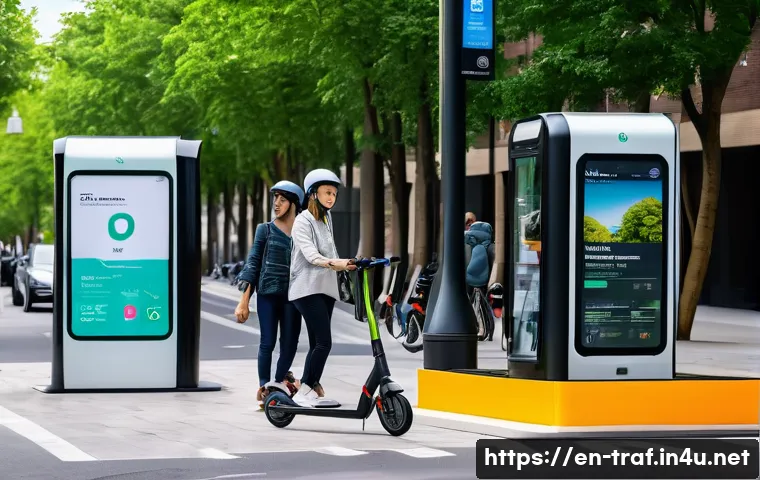
Micro-mobility options such as electric scooters and bike-sharing programs have exploded in popularity, especially in dense urban areas. I’ve personally used these services for short trips and noticed how they offer a convenient, affordable alternative to cars and public transit.
Cities are embracing micro-mobility as a way to reduce congestion and pollution, often integrating these options into broader transportation plans. However, challenges like sidewalk clutter, safety concerns, and regulatory inconsistencies need to be addressed.
The success of micro-mobility depends on thoughtful infrastructure investments, such as dedicated lanes and parking zones, to ensure rider safety and community acceptance.
Integration with Public Transit Systems
For micro-mobility to truly thrive, it must be seamlessly integrated with public transit networks, providing users with efficient first- and last-mile connections.
I’ve seen cities like Copenhagen and Portland implement apps that combine transit schedules with scooter and bike availability, simplifying trip planning.
This integration enhances convenience and encourages multimodal travel, which can reduce reliance on private vehicles. Coordination between transit authorities and micro-mobility operators is essential to align pricing, coverage, and data sharing.
When done well, this approach creates a more cohesive and sustainable urban mobility ecosystem.
Challenges and Future Outlook
While micro-mobility presents exciting opportunities, it also faces hurdles including regulatory pushback, safety incidents, and operational sustainability.
Some cities have temporarily banned scooters due to safety issues or conflicts with pedestrians. Operators must invest in rider education, maintenance, and fleet management to build trust and reliability.
The future likely involves more durable, customizable vehicles and improved battery technologies. Expanding beyond short urban trips, micro-mobility could evolve to serve suburban and campus environments.
Overall, it’s a rapidly evolving space that requires collaboration between public agencies, private companies, and communities to realize its full potential.
Emerging Technologies in Aviation and Maritime Transport
Electric and Hybrid Aircraft Development
The aviation sector, long challenged by its carbon footprint, is exploring electric and hybrid propulsion to reduce emissions and noise pollution. I’ve attended industry conferences where startups and legacy manufacturers showcase promising prototypes for short-haul flights powered by batteries or hydrogen fuel cells.
While commercial viability remains a few years out, these innovations could revolutionize regional air travel by lowering operating costs and opening new routes.
Regulatory certification and scaling production are major hurdles, but increasing environmental pressures and passenger demand for greener options are driving investments.
The transition to electric aviation represents a fundamental shift toward sustainable air transport.
Autonomous Shipping and Port Automation
Maritime transport is also embracing automation with autonomous ships and smart ports improving efficiency and safety. From interviews with maritime experts, I’ve gathered that remotely operated vessels can optimize fuel consumption and reduce human error, while automated cranes and logistics systems speed up cargo handling.
These advancements help ports manage growing container volumes and reduce turnaround times. However, cybersecurity risks and legal frameworks for autonomous shipping are still being developed.
The integration of AI and IoT into maritime operations is a complex but essential step toward modernizing global supply chains and reducing environmental impact.
Impact on Global Trade and Sustainability
Advances in aviation and maritime transport technology have significant implications for global trade. Faster, cleaner, and more reliable transport modes enhance supply chain resilience and reduce carbon footprints.
Companies and governments are increasingly adopting sustainability targets that include greener logistics solutions, reflecting growing consumer and investor awareness.
I’ve noticed that collaborative efforts, including international agreements and cross-sector partnerships, are crucial to scaling these technologies. While challenges remain, the convergence of electrification, automation, and digitalization is setting the stage for a more sustainable and efficient global transportation network.
| Transportation Sector | Key Innovations | Main Challenges | Growth Drivers | Future Outlook |
|---|---|---|---|---|
| Electric Vehicles | Battery tech, charging infrastructure, incentives | Raw material supply, cost, charging speed | Government policies, consumer demand, tech advances | Mass adoption, affordable models, expanded infrastructure |
| Autonomous Vehicles | AI, sensors, connectivity, pilot programs | Regulations, safety, public trust | Tech investments, urban mobility needs | Gradual rollout, shared fleets, regulatory alignment |
| Ride-Sharing & MaaS | Multi-modal apps, electrification, safety features | Regulatory hurdles, competition, profitability | Convenience, urbanization, tech integration | Sustainable growth, partnerships, user retention |
| Freight & Logistics | Automation, real-time tracking, green logistics | Workforce impact, implementation costs | E-commerce growth, supply chain resilience | Smart supply chains, sustainability focus |
| Micro-Mobility | E-scooters, bike-sharing, app integration | Safety, regulation, infrastructure | Urban congestion, environmental concerns | Better integration, tech improvements, expansion |
| Aviation & Maritime | Electric aircraft, autonomous ships, port automation | Certification, cybersecurity, scale | Environmental pressure, trade demand | Cleaner transport, digitalized networks |
Conclusion
The future of transportation is being reshaped by groundbreaking technologies and evolving consumer needs. From electric vehicles to autonomous systems and integrated mobility services, these innovations promise cleaner, safer, and more efficient travel. While challenges remain, ongoing advancements and collaborative efforts are paving the way for a sustainable and connected transportation ecosystem that benefits everyone.
Useful Information to Remember
1. Electric vehicle adoption is rapidly growing due to improved battery technology and expanding charging infrastructure, supported by government incentives.
2. Autonomous vehicles are making steady progress, with pilot programs helping to build public trust despite regulatory and technical hurdles.
3. Ride-sharing and Mobility as a Service platforms are evolving to offer multi-modal options that combine convenience with sustainability.
4. Automation and smart technologies in freight and logistics increase efficiency but require workforce adaptation and investment.
5. Micro-mobility solutions like e-scooters and bike-sharing are gaining popularity but need better integration with public transit and safety measures.
Key Takeaways
Transportation is undergoing a transformative shift driven by electrification, automation, and digital integration. Success in this space depends on overcoming supply chain challenges, regulatory complexities, and consumer adoption barriers. Collaborative innovation between industries, governments, and communities will be essential to create accessible, sustainable, and efficient mobility solutions for the future.
Frequently Asked Questions (FAQ) 📖
Q: How are electric vehicles transforming the transportation industry?
A: Electric vehicles (EVs) are revolutionizing transportation by reducing reliance on fossil fuels and cutting greenhouse gas emissions. From my experience following market trends, EV adoption has accelerated due to better battery technology, expanded charging infrastructure, and government incentives.
This shift not only makes commuting cleaner but also opens new business opportunities in manufacturing, energy storage, and smart grid integration. However, challenges like battery disposal and charging accessibility remain, which the industry is actively addressing.
Q: What impact will autonomous delivery services have on freight logistics?
A: Autonomous delivery services promise to reshape freight logistics by enhancing efficiency, cutting labor costs, and improving delivery speed. From what I’ve observed, companies piloting self-driving trucks and drones have seen promising results in reducing human error and optimizing route planning.
Yet, regulatory hurdles and safety concerns still slow widespread adoption. For logistics professionals, staying informed about these innovations is key, as the landscape will likely shift towards a blend of human oversight and automation.
Q: Are ride-sharing platforms still a good investment considering current transportation trends?
A: Ride-sharing platforms continue to offer growth potential, but the landscape is becoming more competitive and complex. Personally, I’ve noticed these platforms evolving by integrating electric and autonomous vehicles, expanding into food delivery, and focusing on sustainability.
Investors should weigh factors like regulatory challenges, market saturation, and profitability timelines. If a company demonstrates adaptability and strong user engagement, it could still be a rewarding investment in the evolving transportation sector.