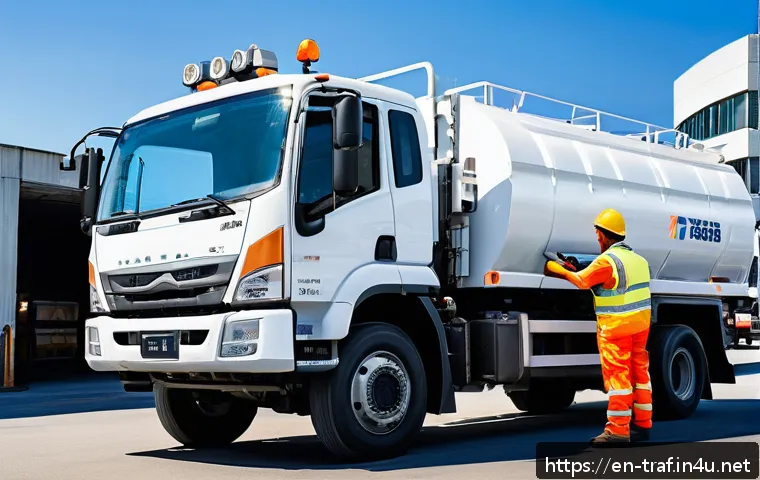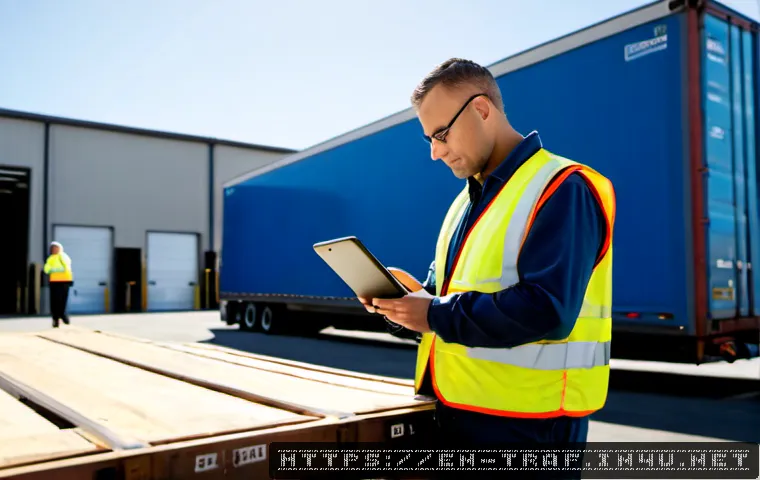
The right transportation workflow depends on what you move, who you serve, how dense your routes are, and the level of compliance exposure involved. Freight, passenger, last-mile delivery, and specialized transport should not be managed with one generic process.
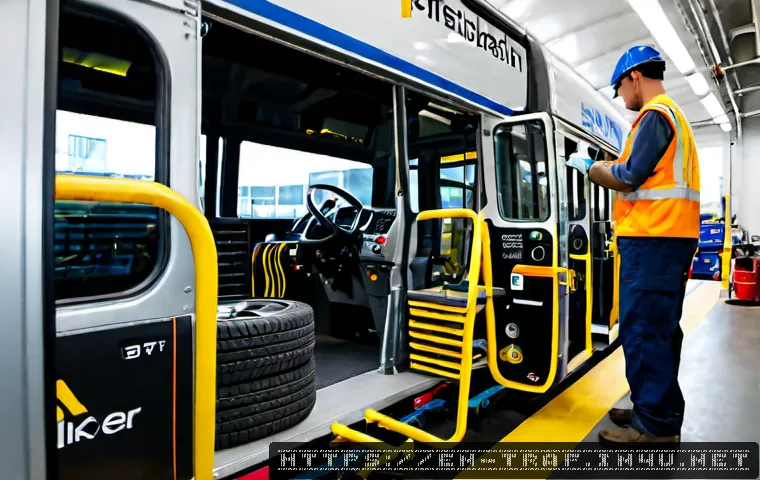
A small operator may work well with disciplined manual dispatching, while a growing fleet may benefit from fleet management software, GPS tracking, route planning, or logistics outsourcing.
The best choice is not automatically the most advanced tool; it is the setup that reduces missed work, unclear handoffs, vehicle downtime, and customer complaints.
Before changing providers or buying software, compare the full operating process and total cost.
At a Glance
- Freight operations focus on loads, scheduling, delivery confirmation, and driver or carrier coordination.
- Passenger services prioritize safety, reliability, accessibility, and real-time rider communication.
- Last-mile and specialized transport need tighter controls around stops, equipment, documentation, training, and service exceptions.
| Transport Segment | Main Daily Workflow | Key Operational Risk | Useful Tools or Vendor Support |
|---|---|---|---|
| Freight and commercial hauling | Load planning, dispatch, shipment scheduling, proof of delivery | Missed handoffs, document gaps, poorly coordinated loads | Dispatch tools, fleet management software, carrier coordination support |
| Passenger transport | Schedules, vehicle readiness, rider communication, accessibility planning | Service disruption, safety issues, missed passenger updates | GPS tracking, communication systems, vehicle service providers |
| Last-mile delivery | Route sequencing, stop management, customer notifications | Failed deliveries, low route density, excessive stop times | Route optimization platforms, delivery notifications, outsourced dispatch |
| Specialized transport | Equipment checks, controlled handling, added documents, trained staff | Equipment failures, documentation errors, missed compliance checks | Specialized maintenance, compliance tracking, trained logistics support |
The Core Difference: Match Operations to the Transport Service You Actually Provide
The practical difference between transportation sectors is simple: each service has a different point where failure becomes expensive. A freight operator may lose time when load details or proof of delivery are unclear. A passenger operator may face immediate service problems when riders are not informed about a delay. A delivery business may lose efficiency one stop at a time. Specialized transport may require additional controls before the vehicle even leaves the yard.
Start with the service promise you make to customers. Then build the workflow around the information, vehicle condition, driver coordination, and records needed to keep that promise. A general dispatch process is not enough when the service has specialized equipment, timing, or documentation needs.
Freight, passenger, delivery, and specialized transport have different operational priorities
Freight transport commonly depends on shipment schedules, load planning, driver or carrier coordination, proof of delivery, and clear document handling. Passenger transport puts more weight on safe operation, reliable timing, accessibility, and real-time communication. Last-mile delivery is especially sensitive to route density, stop times, failed deliveries, and customer notification processes.
Specialized transport, including temperature-controlled or oversized loads, may require additional equipment, training, documentation, and compliance checks. The operational priority is not simply moving a vehicle efficiently. It is confirming that the vehicle, driver, records, and handling process are appropriate for the assignment.
The four questions to answer before changing tools or hiring a provider
- What must be tracked on every job: a load, a passenger, a stop, a vehicle condition, or a document?
- Where do delays usually start: dispatch, route planning, driver communication, maintenance, or customer handoff?
- Which tasks need a repeatable record for service, insurance, safety, or local compliance purposes?
- Is the current problem caused by lack of process, lack of staff capacity, or lack of suitable technology?
These questions prevent a common mistake: buying a routing platform or fleet software package before defining the work it must improve.
Compare Daily Workflows Across Major Transportation Segments
Freight and commercial hauling: loads, dispatch, documents, and delivery confirmation
Freight workflows usually begin before pickup. Dispatch needs usable shipment details, load planning, driver or carrier availability, and a clear schedule. At delivery, the business needs confirmation that the job was completed and that the necessary records are available. When these steps live in separate calls, messages, and spreadsheets, gaps become easier to miss.
A practical freight process assigns responsibility for each handoff: who confirms the schedule, who checks load details, who receives delivery confirmation, and who follows up on exceptions. Proof of delivery should be treated as an operating step, not an afterthought.
Passenger transport: safety, schedules, accessibility, and rider communication
Passenger transport is judged by whether the service feels safe, dependable, and understandable to riders. Vehicle readiness and driver scheduling matter, but customer communication also matters. When an expected service time changes, riders may need timely updates through the communication method used by the business.
Accessibility should be considered as part of planning rather than handled only when a problem occurs. The exact legal and operational obligations vary by location and activity, so local requirements should be verified before setting policies or choosing commercial insurance coverage.
Last-mile delivery: route density, driver productivity, and failed-delivery prevention
Last-mile operations can look simple from the outside, yet small losses repeat throughout the day. Long gaps between stops, unclear delivery instructions, failed delivery attempts, and late customer notifications can reduce route productivity. A route-planning process should help dispatchers and drivers see the order of stops, expected service needs, and exceptions that require contact with the customer.
Customer notifications are operational tools, not only marketing messages. Clear updates can reduce confusion around arrival windows, delivery status, or failed attempts. The goal is not to promise a result that cannot be controlled; it is to create a consistent process for communicating changes.
Specialized transport: equipment controls, training, and additional documentation
Specialized work should be separated from standard jobs in the dispatch process. Temperature-controlled and oversized loads may need extra equipment checks, trained personnel, added documents, and specific compliance review. A vehicle may be available, but it may not be operationally suitable for that assignment.
Use a pre-dispatch checklist that confirms the required equipment, driver preparation, records, and service conditions. Do not assume that a standard vehicle inspection covers every specialized assignment.
Where Technology, Outsourcing, and Operating Costs Create Real Value
When spreadsheets and phone-based dispatching may still be adequate
Manual dispatching may still be workable when the fleet is limited, routes are familiar, job volume is manageable, and one person can reliably coordinate changes. The key requirement is discipline. Schedules, vehicle status, customer details, maintenance notes, and completed-job records must be updated in one consistent place.
The issue is not whether a spreadsheet looks basic. The issue is whether important information gets lost when a driver calls, a job changes, or a vehicle needs service.
When fleet management, GPS tracking, or route-planning software becomes worthwhile
Fleet management software may become useful when multiple vehicles, drivers, routes, or service areas make manual coordination difficult. GPS tracking can support visibility into vehicle movement. Route optimization platforms may help delivery businesses manage route sequences and stop-related work. Maintenance planning tools can help organize inspection and service routines.
Compare functions against the actual operating problem. A feature-heavy platform may add complexity if the business only needs clearer dispatch and maintenance records. Conversely, a growing fleet may need integrations or shared visibility that phone-based coordination cannot provide.
Comparing in-house coordination with third-party logistics and dispatch services
In-house coordination offers direct control over customer communication and daily priorities. Outsourced logistics or dispatch support may help when internal staff lacks capacity or when the operation needs external coordination expertise. Neither approach is automatically lower cost.

Compare the full picture: internal labor, administrative overhead, software, telematics, missed-service risk, vendor support, and the time required to manage exceptions. Compare total operating cost, not just monthly software price or an outsourcing quote.
Practical Controls That Prevent Delays, Complaints, and Cost Leakage
Build consistent vehicle inspection and maintenance routines
Fleet costs can include vehicle acquisition or leasing, fuel or energy, maintenance, insurance, telematics, labor, and administrative overhead. Maintenance planning helps protect the availability of vehicles, but it must be followed consistently. Keep inspection routines clear, assign ownership for follow-up work, and record when a vehicle should not be dispatched until an issue is addressed.
Define proof-of-service, incident reporting, and customer update procedures
Every segment needs a clear definition of completed service. For freight, that may include delivery confirmation. For passenger transport, it may involve a documented service or incident process. For delivery, it may involve a completed stop record or failed-delivery procedure. Specialized jobs may need additional documentation.
Make the escalation path simple: who receives an incident report, who contacts the customer, and who updates the operational record? Confusion at this stage often creates avoidable complaints and repeated administrative work.
Avoid common mistakes in driver scheduling, route planning, and recordkeeping
- Using the same dispatch checklist for standard and specialized jobs.
- Planning routes without considering stop time or delivery exceptions.
- Waiting until a customer asks before checking service status.
- Keeping maintenance, dispatch, and compliance records in disconnected places.
- Choosing a vehicle leasing, software, or outsourcing option based only on the headline price.
Adjust the Model for Your Business Size and Operating Environment
Small operators with a limited vehicle fleet
Small businesses should first make manual processes dependable. Use a repeatable daily schedule, a vehicle inspection routine, a basic job record, and a clear customer update procedure. Add software when the existing process is no longer reliable, not merely because a platform appears more sophisticated.
Growing fleets with multiple drivers, routes, or service areas
Growth creates more handoffs. A growing operation may need stronger dispatch visibility, route-planning support, maintenance scheduling, and shared records. Look for fleet software that fits the vehicles and workflow already in use. Confirm whether the provider supports the reporting, integrations, and service model your team actually needs.
Contract-dependent businesses serving retail, construction, healthcare, or events
Contract-based transport businesses should adapt the workflow to the customer environment. Retail deliveries may emphasize recurring delivery windows and customer notifications. Construction work may involve changing site conditions and load coordination. Healthcare-related transport and event services may have particular service expectations or documentation needs. Confirm the client’s operating requirements and any local obligations before promising a service model.
Selection Criteria and Comparison Summary
Before committing to fleet management software, a routing platform, vehicle leasing, commercial insurance, or outsourced logistics support, check the following:
- Operational fit: Does it support your actual service type and daily exceptions?
- Workflow coverage: Can it handle dispatch, route planning, maintenance, proof of service, or compliance tracking where needed?
- Integration and usability: Can drivers, dispatchers, and office staff use it without creating duplicate work?
- Support model: Is help available when schedules, vehicles, or customer requirements change?
- Total operating cost: Include labor, administration, vehicle downtime, software, service providers, and insurance considerations.
Review official product details, service terms, and local requirements on the relevant provider or authority page before making a commitment.
In Closing
Transportation businesses differentiate themselves through reliable execution, not by using the same workflow as every other fleet. Freight, passenger, delivery, and specialized services each need different controls around scheduling, communication, equipment, and records. Start by fixing the daily handoffs that create the most delays or uncertainty. Then choose technology or outside support that improves those specific points.
Useful Information to Keep in Mind
1. A low monthly software price may not represent the full operating cost.
2. Driver communication and customer updates are part of service delivery.
3. Maintenance planning affects availability, service reliability, and administrative workload.
4. Specialized loads should have separate preparation and documentation checks.
Important Notes
Licensing, insurance, labor, safety, and compliance obligations vary by jurisdiction and transport activity. Software pricing, outsourcing quotes, fuel costs, and fleet expenses also vary. Verify local requirements and compare provider terms based on your vehicle type, route area, shipment volume, and customer service needs.
Frequently Asked Questions
Q1. Which transportation business type benefits most from fleet management software?
A1. A growing operation with multiple vehicles, drivers, routes, or service areas may benefit when manual coordination becomes difficult. Freight fleets may use it for dispatch and delivery records, delivery fleets for route visibility, and specialized fleets for maintenance or compliance tracking. The best fit depends on the workflow that needs improvement.
Q2. Is it cheaper to manage dispatch in-house or outsource it to a logistics provider?
A2. It depends on staffing needs, job volume, required service coverage, software costs, and the effort needed to manage exceptions. Compare internal labor and administrative overhead with the provider’s scope of service. Do not compare only the quoted fee.
Q3. What should a small delivery or transport company compare before choosing routing software?
A3. Compare route-planning fit, stop and customer-notification needs, driver usability, vehicle compatibility, maintenance or GPS tracking requirements, support, and total operating cost. Confirm that the tool solves a real dispatch or delivery problem rather than adding another system to manage.