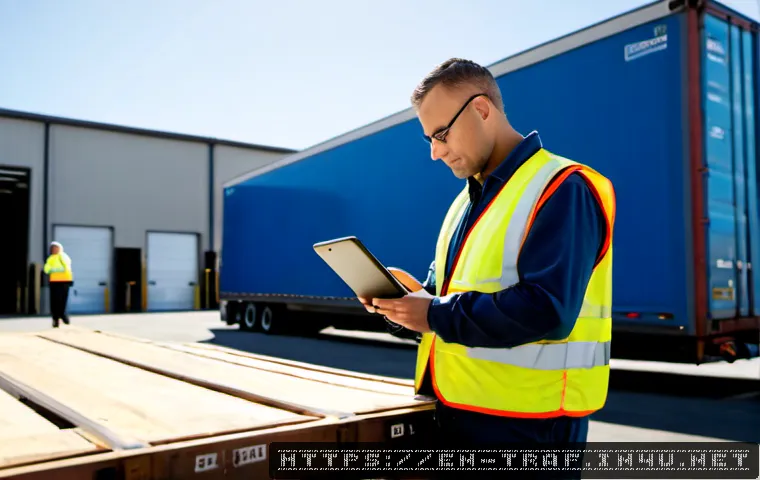
In today’s fast-paced logistics world, gaining hands-on experience through a Traffic Internship can be a game-changer for aspiring transport professionals.

With supply chains becoming more complex and technology driving efficiency, mastering real-world operations is more crucial than ever. Whether you’re looking to sharpen your skills or build a strong foundation, understanding proven strategies will set you apart in this competitive field.
Stick around as we dive into practical tips that can elevate your internship experience and prepare you for a successful career in traffic management.
This journey promises insights that blend theory with real-life challenges, helping you thrive from day one.
Building Effective Communication Skills in Traffic Management
Mastering Clear and Concise Reporting
When you’re in the thick of traffic management, the ability to report issues or updates clearly can make or break your day. I’ve found that concise communication not only saves time but also prevents misunderstandings between teams.
For instance, instead of giving vague updates like “there’s a delay,” specifying “a 30-minute delay due to vehicle breakdown at Dock 5” helps everyone adjust their plans quickly.
Practice summarizing complex information into bite-sized, actionable points—it’s a skill that supervisors truly appreciate and that you’ll rely on heavily throughout your career.
Leveraging Technology for Seamless Coordination
Technology is your best friend in traffic operations. Tools like real-time tracking systems, communication apps, and digital logs streamline coordination between dispatchers, drivers, and warehouse staff.
During my internship, I noticed that becoming comfortable with these platforms early on gave me a significant edge. It’s not just about knowing how to use the software but also understanding when and what to communicate through these channels.
For example, promptly updating shipment statuses in the system can prevent costly delays and improve customer satisfaction.
Reading Between the Lines: Non-Verbal Cues in Team Settings
A lot of traffic management happens in fast-paced, sometimes stressful environments. Picking up on non-verbal cues—like body language or tone—can give you insight into potential problems before they escalate.
I remember a time when a team member seemed unusually quiet during a briefing, which later revealed a technical glitch they hadn’t reported. Being attuned to these subtleties helps build trust and fosters a supportive work atmosphere, which is crucial when you’re juggling multiple moving parts.
Optimizing Time Management to Handle Multiple Priorities
Prioritizing Tasks with a Dynamic Approach
Traffic operations rarely follow a predictable script. I quickly learned that the key to managing time effectively is to constantly reassess priorities.
What’s urgent one minute might become less critical the next, depending on shipment deadlines or unforeseen delays. Using techniques like the Eisenhower Matrix—dividing tasks into urgent vs.
important—can help you stay focused on what truly matters. It’s also helpful to keep a running to-do list and allocate blocks of time for monitoring ongoing processes versus handling immediate crises.
Utilizing Downtime for Proactive Learning
Not every moment in traffic management is action-packed. When things slow down, it’s tempting to check out mentally, but I found that using these pockets of downtime to review SOPs, update logs, or even shadow experienced staff can be a game-changer.
This proactive mindset not only boosts your knowledge but also signals your commitment to the team. Plus, it helps you stay sharp and ready for when the pace picks up again.
Setting Boundaries to Avoid Burnout
Handling multiple priorities can get overwhelming fast. During my internship, I realized the importance of setting clear boundaries—whether it’s taking short breaks to reset or knowing when to ask for help.
Traffic environments are intense, and pushing yourself too hard can lead to mistakes or fatigue. Communicating your limits professionally and managing your workload realistically keeps you effective and healthy in the long run.
Understanding Supply Chain Interdependencies
Recognizing the Ripple Effect of Delays
In traffic management, a small delay in one area can cascade through the entire supply chain. Early in my internship, I underestimated how a late arrival of raw materials impacted production schedules and delivery commitments downstream.
By mapping out these interdependencies, you can anticipate potential bottlenecks and communicate proactively with all stakeholders. This big-picture awareness is invaluable for troubleshooting and preventing crises before they spiral.
Collaborating Across Departments for Smooth Operations
No traffic manager is an island. Building strong working relationships with warehouse, procurement, and customer service teams creates a smoother flow of information and problem-solving.
I found that setting up regular check-ins or informal catch-ups helps break down silos and encourages transparency. When everyone understands each other’s challenges and timelines, it’s easier to coordinate solutions that benefit the whole operation.
Adapting to Market and Seasonal Fluctuations
Supply chains are dynamic, influenced by market trends, seasonal demand, and external disruptions. During peak seasons, for example, traffic volumes can surge unexpectedly, requiring rapid adjustments in routing and scheduling.
Understanding these patterns helps you plan resources more effectively and reduces last-minute chaos. Tracking historical data and staying informed about industry news are practical habits that support this adaptive mindset.
Applying Analytical Thinking to Daily Challenges
Using Data to Drive Decision-Making
Data isn’t just for analysts; as a traffic intern, you’ll find it invaluable for spotting trends and optimizing routes. I learned that reviewing shipment times, fuel consumption, and vehicle utilization reports can highlight inefficiencies that aren’t obvious on the surface.
Even simple Excel skills to organize and visualize this data can set you apart. Making informed decisions based on numbers rather than assumptions builds credibility and leads to better operational outcomes.
Problem-Solving Under Pressure
Traffic management often involves quick thinking when unexpected issues arise—like a sudden road closure or a vehicle breakdown. I’ve been in situations where staying calm and methodically assessing alternatives made a huge difference.
Breaking down the problem, weighing options, and consulting experienced colleagues helped me develop confidence. Over time, these experiences sharpen your ability to respond effectively without letting stress cloud your judgment.

Learning from Mistakes to Improve Processes
Nobody’s perfect, and mistakes are part of the learning curve. What matters is how you handle them. I found that reflecting on what went wrong and discussing it openly with mentors led to valuable insights.
For example, after a misrouted shipment, we identified gaps in communication that were quickly addressed with updated protocols. Viewing errors as opportunities for improvement fosters a growth mindset that’s essential in the fast-evolving logistics field.
Embracing Safety and Compliance as Core Priorities
Understanding Regulatory Requirements Thoroughly
Compliance is non-negotiable in traffic and transportation. From hours-of-service rules for drivers to hazardous materials handling, knowing the regulations inside and out is critical.
During my internship, I spent extra time studying industry standards and company policies, which paid off when I helped flag potential compliance issues before they escalated.
This diligence not only protects the company but also builds your reputation as a responsible professional.
Promoting a Culture of Safety Among Teams
Safety isn’t just about rules; it’s about mindset. Encouraging open communication about hazards and near misses creates a safer workplace. I noticed that teams who regularly discussed safety practices tended to have fewer incidents and higher morale.
Simple actions like reminding colleagues to wear PPE or double-check vehicle conditions show leadership and contribute to a positive safety culture.
Implementing Continuous Improvement in Safety Protocols
Traffic environments evolve, and so should safety measures. I’ve seen firsthand how regularly reviewing and updating safety protocols based on feedback and incident analysis leads to better outcomes.
Suggesting small changes—like enhanced signage or revised loading procedures—can have a big impact. Being proactive about safety improvements demonstrates your commitment to the well-being of everyone involved.
Developing Professionalism and Networking Skills
Building Rapport with Mentors and Peers
Internships are as much about relationships as they are about tasks. Taking the initiative to connect with mentors and peers creates a support system that enriches your learning experience.
I made it a point to ask questions, seek feedback, and share ideas, which helped me build trust and gain valuable guidance. These connections often open doors for future opportunities and collaborations.
Presenting Yourself with Confidence and Integrity
How you carry yourself matters. Dressing appropriately, being punctual, and maintaining a positive attitude contribute to a strong professional image.
I remember feeling nervous during early meetings but realized that preparing ahead and speaking clearly boosted my confidence. Being honest about what you know and don’t know earns respect and fosters an environment of mutual trust.
Leveraging Industry Events and Online Communities
Beyond the internship, engaging with broader logistics communities can accelerate your growth. Attending webinars, joining LinkedIn groups, or participating in local industry meetups exposes you to new ideas and trends.
I found that sharing insights or asking questions in these forums expanded my perspective and helped me stay current in a rapidly changing field.
| Key Skills for Traffic Internship Success | Practical Tips | Why It Matters |
|---|---|---|
| Clear Communication | Practice concise reporting and active listening | Prevents errors and improves team coordination |
| Time Management | Prioritize tasks and use downtime productively | Keeps operations running smoothly under pressure |
| Analytical Thinking | Use data to identify inefficiencies and solve problems | Supports informed decision-making and continuous improvement |
| Safety Awareness | Learn regulations and promote safety culture | Ensures compliance and protects personnel |
| Professional Networking | Build relationships and engage with industry peers | Enhances learning and future career prospects |
Closing Thoughts
Effective traffic management demands a blend of clear communication, sharp time management, and strong analytical skills. Building relationships and prioritizing safety further enhance your ability to succeed in this fast-paced environment. With these foundations, you’re well-equipped to navigate daily challenges and contribute meaningfully to your team’s success.
Helpful Information to Keep in Mind
1. Always tailor your communication to be clear and specific to avoid confusion and delays.
2. Use technology tools not just to track shipments but to enhance real-time collaboration across teams.
3. Take advantage of slower periods to deepen your knowledge and prepare for busy times ahead.
4. Recognize how delays in one part of the supply chain can affect the entire operation, and communicate proactively.
5. Invest time in networking and professional development to stay current and open doors for future opportunities.
Key Takeaways
Mastering concise reporting and active listening reduces errors and improves coordination. Prioritizing tasks dynamically ensures smooth operations even under pressure. Leveraging data-driven insights supports better decisions and continuous process improvements. Commitment to safety and compliance protects both people and business. Finally, cultivating professional relationships accelerates growth and opens pathways for career advancement.
Frequently Asked Questions (FAQ) 📖
Q: uestions about Traffic InternshipQ1: What key skills should I focus on developing during a traffic internship?
A: During a traffic internship, prioritizing skills like route planning, time management, and understanding logistics software will give you a solid edge.
From my experience, mastering communication with drivers and vendors is just as important because real-world operations rely heavily on smooth coordination.
Also, getting comfortable with data analysis tools can help you identify bottlenecks and improve efficiency, which employers highly value.
Q: How can I make the most of my traffic internship to boost my future career prospects?
A: To maximize your internship, actively seek out tasks beyond your basic responsibilities and ask for feedback regularly. I found that volunteering for projects involving new technologies or supply chain optimization really set me apart later on.
Building relationships with mentors and colleagues opens doors to networking opportunities, which is crucial in this field. Also, documenting your accomplishments helps when updating your resume and preparing for interviews.
Q: What challenges should I expect during a traffic internship, and how can I overcome them?
A: One common challenge is managing unexpected disruptions like delays or equipment failures. I’ve learned that staying calm and quickly adapting plans is vital.
Another hurdle can be juggling multiple priorities under tight deadlines; using digital tools for scheduling and clear communication with your team can ease this pressure.
Remember, mistakes are part of the learning process, so approach them as chances to improve rather than setbacks.