A traffic manager coordinates the safe and efficient movement of vehicles, freight, or people, but the exact job can look very different across logistics, fleets, transit, and road operations.
In most transportation settings, the work combines scheduling, route coordination, communication, documentation, and quick responses to disruptions. Before applying for a role or choosing a training course, identify which type of traffic management an employer means.
The right tools may range from spreadsheets and phone communication to dispatch software, GPS tracking, and transportation-management systems. For employers, the decision is often whether existing manual coordination is reliable enough or whether operational software or outside support would reduce risk.
Local training, licensing, and hiring requirements should always be checked directly with the relevant employer or authority.
At a Glance
- A traffic manager may work in freight logistics, fleet operations, public transit, road traffic control, or other coordination-heavy environments.
- Core responsibilities usually include safe scheduling, route or vehicle coordination, accurate records, and clear communication during disruptions.
- Choose training, dispatch software, or operational support only after confirming the actual work setting and local requirements.
| Work Setting | Main Focus | Common Tools | Operational Need |
|---|---|---|---|
| Freight logistics | Coordinating loads, carriers, schedules, and documents | Spreadsheets, transportation-management software, phone or email | Reliable shipment visibility and accurate documentation |
| Fleet and delivery operations | Assigning vehicles, monitoring routes, and communicating with drivers | Dispatch systems, GPS or fleet-tracking tools, radio or phone | Fast response to delays, vehicle changes, and customer updates |
| Transit coordination | Supporting service schedules, vehicle availability, and public communication | Dispatch tools, tracking systems, operational reports | Consistent service coordination and disruption escalation |
| Road and traffic-control operations | Managing traffic flow, work-zone coordination, or agency communication | Radio communication, plans, records, field-based coordination tools | Safety procedures and clear escalation paths |
What a Traffic Manager Is Responsible For
The Short Answer: Coordinating Safe and Efficient Movement
A traffic manager helps keep movement organized. That movement may involve freight, delivery vehicles, public transportation, road users, or internal fleet vehicles. The role is not simply about making a schedule. It is about making sure people have the information needed to follow the schedule safely and respond when the plan changes.
In a transportation operation, a traffic manager may coordinate routes, vehicle availability, timing, driver communication, carrier updates, customer requests, and operational records. The priority is usually a balance of safety, timing, communication, and documentation. The exact balance depends on the employer.
Why the Job Title Means Different Things in Different Industries
The title can create confusion because “traffic” has several meanings. In freight logistics, it may refer to shipment and carrier coordination. In a private fleet, it may mean dispatching vehicles and monitoring service activity. In public-road settings, it can involve road traffic control, work-zone coordination, or communication with public agencies. Some industries also use the title for non-transportation workflows, so job seekers should read the actual duties rather than relying on the title alone.
Do not select a course or certification based only on the job title. First confirm whether the employer needs logistics coordination, dispatch experience, safety-related traffic-control knowledge, or another specialty.
Core Outcomes: Safety, Timing, Communication, and Documentation
A well-run operation depends on reliable information. A missed update can affect vehicle assignments, delivery timing, customer communication, or a safety response. For that reason, traffic-management work often requires accurate records and timely escalation when a route, vehicle, schedule, or staffing plan is disrupted.
Good coordination does not mean that disruptions never happen. It means the team knows who receives the update, what information must be recorded, and what action should happen next.
Traffic Management Roles Compared: Logistics, Fleet, Transit, and Road Operations
Freight and Logistics Coordination
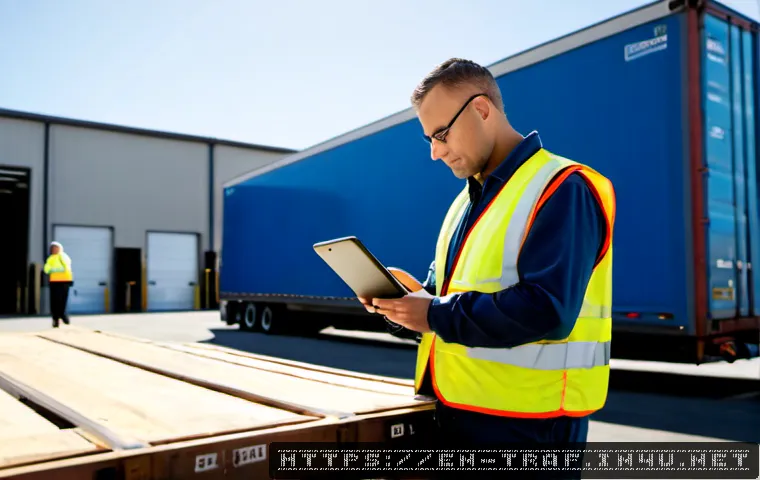
Freight-focused traffic managers commonly coordinate loads, delivery or pickup schedules, carriers, documentation, and updates between operational partners. Their desk-based work may involve transportation-management software, spreadsheets, and frequent phone or email communication. Pressure often rises when schedules change, documents need correction, or a shipment status requires escalation.
For this role, employers may value organized records, clear communication, and the ability to prioritize several moving parts without losing detail.
Fleet Dispatch and Delivery Operations
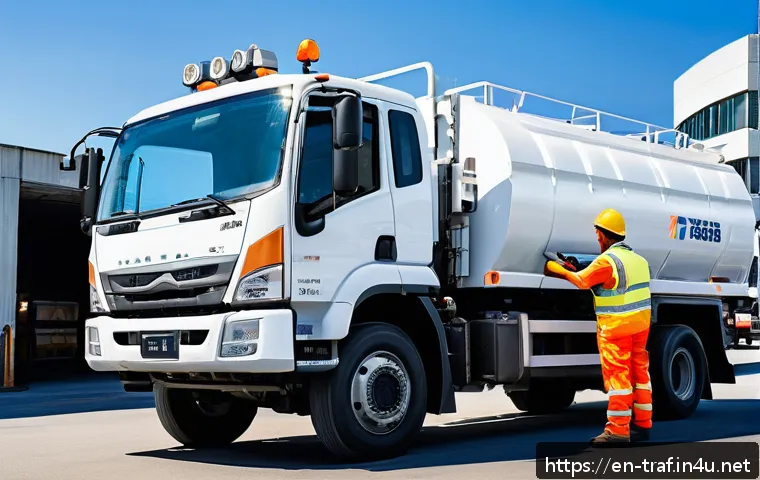
Fleet coordination focuses more directly on available vehicles, drivers, routes, and active service conditions. A dispatcher or traffic manager may communicate through radio, phone, GPS tools, or fleet-tracking systems. The work can be highly time-sensitive because vehicle availability and route changes may affect the rest of the day’s plan.
A fleet-management platform can be useful when managers need more consistent tracking, route visibility, or reporting than a manual process can reasonably provide.
Public-Road, Construction, and Traffic-Control Coordination
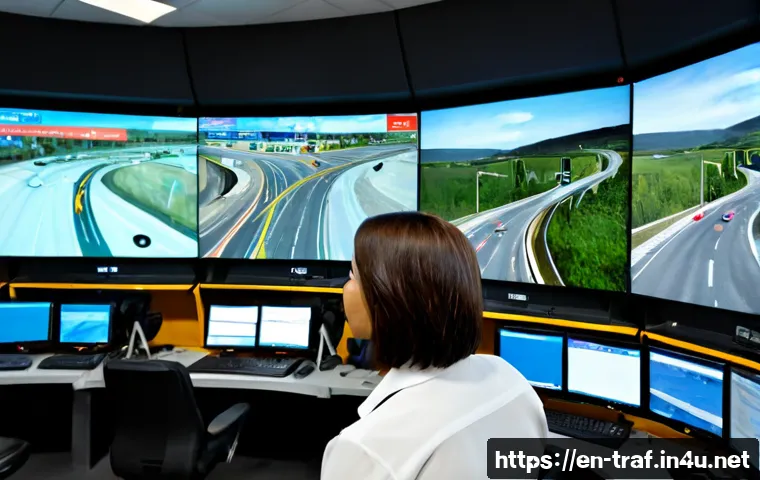
Road-focused operations may involve field coordination as well as desk-based planning. The work can include traffic-control arrangements, communication around road conditions or work activity, documentation, and coordination with relevant agencies or contractors. Safety procedures are especially important in this setting.
Requirements can vary substantially by location and employer. Confirm local rules, training expectations, permitted duties, and any licensing or certification requirements before assuming that experience in freight or dispatch transfers directly.
Comparison Table: Tasks, Work Environment, Tools, and Pressure Level
The role becomes easier to evaluate when you compare the environment rather than the title. Freight roles may be document-heavy. Fleet roles may require rapid live coordination. Road operations may require stronger field awareness and safety procedures. Transit roles may combine scheduled operations with disruption management.
When reviewing job listings or service providers, look for the stated workflow: who is being coordinated, which tools are used, how incidents are escalated, and where responsibility begins and ends.
Daily Workflow, Skills, and Common Operational Mistakes
A Typical Shift: Planning, Monitoring, Responding, and Reporting
A shift often starts with planning. The traffic manager reviews schedules, vehicle or driver availability, known route issues, pending loads, and communications from the previous shift. During operations, the focus shifts to monitoring progress and responding to changes. The final part often includes updating records, documenting exceptions, and handing over unresolved issues.
The workflow may be desk-based, field-based, or mixed. Employers should clearly explain whether the position is primarily a dispatch desk role, a coordination role with site visits, or a road-operation role.
Essential Skills: Prioritization, Communication, Data Accuracy, and Calm Escalation
The strongest skills are practical rather than flashy. A traffic manager needs to sort urgent issues from routine updates, communicate clearly with different parties, keep records accurate, and stay calm when a plan changes. Familiarity with dispatch systems, GPS tracking, spreadsheets, and transportation-management software may also be useful, depending on the employer.
Clear escalation matters as much as fast escalation. Sending incomplete or unclear information can create a second problem. A useful update identifies what changed, who is affected, what has already been done, and what decision is needed.
Mistakes That Create Delays, Safety Issues, or Avoidable Costs
Common operational problems include using outdated schedules, failing to confirm vehicle availability, recording incomplete information, and waiting too long to report a disruption. Another mistake is assuming that every issue can be handled in the same tool. A spreadsheet may be useful for planning, but it may not provide the live visibility needed during active fleet operations.
Organizations should avoid treating software as a replacement for procedures. A dispatch platform can support coordination, but staff still need clear communication rules and defined responsibilities.
How Software, Tracking Tools, and Standard Procedures Support the Role
Manual spreadsheets may be sufficient when operations are limited, schedules are stable, and the responsible team can maintain accurate updates. As routes, vehicles, drivers, or service changes become harder to track, dispatch software, routing tools, GPS visibility, and fleet-management systems may reduce gaps in communication.

Before choosing a system, compare whether it supports the actual workflow. Useful questions include whether it handles routing, tracking, reporting, integrations with current tools, user access, and ongoing support. The most feature-heavy option is not automatically the best fit.
When This Career or Service Model Fits Different Situations
For Job Seekers Entering Transportation and Logistics
This path may fit people who are comfortable coordinating details, communicating across teams, and working with changing schedules. Entry expectations differ by employer. Some roles may focus on dispatch experience, while others may prioritize safety knowledge, local training, commercial driving familiarity, or previous logistics work.
Read the job description for specific duties and required qualifications. If the role involves a public-road or regulated setting, verify local requirements directly rather than relying on general career advice.
For Experienced Dispatchers Moving Into Coordination Roles
Dispatch experience can be relevant because it often builds familiarity with driver communication, schedule changes, and operational urgency. A traffic-management role may add responsibility for documentation, broader planning, carrier or customer coordination, reporting, or compliance-related processes.
When applying, show how you handle priorities, record updates, and communicate changes. Those examples may be more meaningful than using a broad job title alone.
For Small Fleets Deciding Between In-House Coordination and External Support
A small fleet may manage coordination internally when the workflow is simple and staff can reliably maintain schedules, records, and communication. External logistics coordination services or software may become worth evaluating when operational updates are frequently missed, reporting is difficult, or one person is carrying too much manual work.
The decision should not be based only on a monthly software fee. Consider staff time, implementation effort, compliance-related risk, reporting needs, and whether the provider supports the tools already in use.
Questions to Ask Before Paying for Training or Operational Tools
Ask what type of traffic-management work the training covers. Ask whether the course addresses the tools and procedures used in the target industry. For software, ask which routing, tracking, reporting, and integration functions are included, and whether the support model fits the team’s working hours.
Also ask what remains the employer’s responsibility. No training course or platform removes the need to follow applicable local rules and internal safety procedures.
Choosing Training, Tools, or Operational Support
Evaluate the Actual Work Setting Before Selecting a Course
A course that supports freight coordination may not prepare someone for road traffic-control responsibilities. Likewise, a general dispatch course may not cover an employer’s specific documentation or safety workflow. Start with target job listings and identify repeated requirements before choosing training.
Compare Software by Routing, Tracking, Reporting, Integrations, and Support
For fleet and logistics teams, compare systems based on the work that causes the most friction. If route changes are the problem, routing and live updates may matter most. If records are inconsistent, reporting and documentation workflows may deserve more attention. If information is split across tools, integrations may be a deciding factor.
Check the provider’s official product page for current features, compatibility details, implementation expectations, and support terms before making a purchase decision.
Consider Total Cost: Staff Time, Compliance Risk, Implementation, and Recurring Fees
The real operating cost includes more than software or service fees. It can include staff time spent entering data, correcting errors, responding to missed updates, and learning a new workflow. A lower-cost tool may not be the better choice if it adds manual steps or does not fit existing operations.
Compare the full workflow before committing: setup, daily use, reporting, user access, support, and the effort needed to maintain reliable records.
Selection Criteria and Comparison Summary
Before applying, hiring, or purchasing a solution, check these points: confirm the role definition; verify local employer and legal requirements; compare training scope with the target work setting; review safety and escalation procedures; assess routing, tracking, reporting, and integrations; and consider total operating cost rather than an advertised feature list alone. Prioritize dependable communication and accurate records over unnecessary features. For current conditions, support terms, and detailed product capabilities, review the relevant official training provider or software service page.
Closing Thoughts
Traffic management is a coordination role, not one single career path. The work may center on freight, fleets, transit, public roads, or another operational environment. The best next step is to match the job title with the actual duties, tools, and safety expectations. That makes it easier to choose useful training, prepare a stronger application, or evaluate whether operational support is needed.
Useful Information to Know
1. A traffic manager is not always the same as a dispatcher.
2. Desk work and field work vary by employer and industry.
3. GPS tools, dispatch systems, and spreadsheets support work differently.
4. Local licensing, certification, and legal requirements may apply depending on the role.
5. Accurate records and clear escalation procedures are central to reliable operations.
Important Considerations
Job titles, permitted duties, training expectations, and compliance requirements vary by location, employer, and industry. This overview does not determine whether a particular role requires a degree, driving experience, a safety certification, or another qualification. Confirm current requirements with the employer, relevant authority, training provider, or software vendor before making a career or purchasing decision.
Frequently Asked Questions
Q1. Is a traffic manager the same as a dispatcher?
A1. Not always. Dispatchers commonly focus on assigning and communicating with drivers or vehicles, while traffic managers may have broader responsibilities for schedules, routes, documentation, carrier or customer coordination, reporting, and operational escalation. The exact distinction depends on the employer.
Q2. What skills are most important for a traffic manager in logistics or fleet operations?
A2. Key skills include prioritization, clear communication, accurate recordkeeping, calm escalation, and comfort using operational tools such as spreadsheets, dispatch systems, GPS tracking, or transportation-management software.
Q3. When should a small transportation business consider fleet-management or dispatch software?
A3. It may be worth comparing options when manual coordination becomes difficult, route or vehicle updates are regularly missed, reporting takes too much time, or the team needs stronger tracking and communication. Compare routing, tracking, reporting, integrations, support, implementation effort, and total operating cost before choosing.