Navigating the complexities of traffic management today involves more than just keeping vehicles moving smoothly. From addressing congestion in growing urban areas to integrating cutting-edge technology like smart traffic signals, the challenges are evolving rapidly.
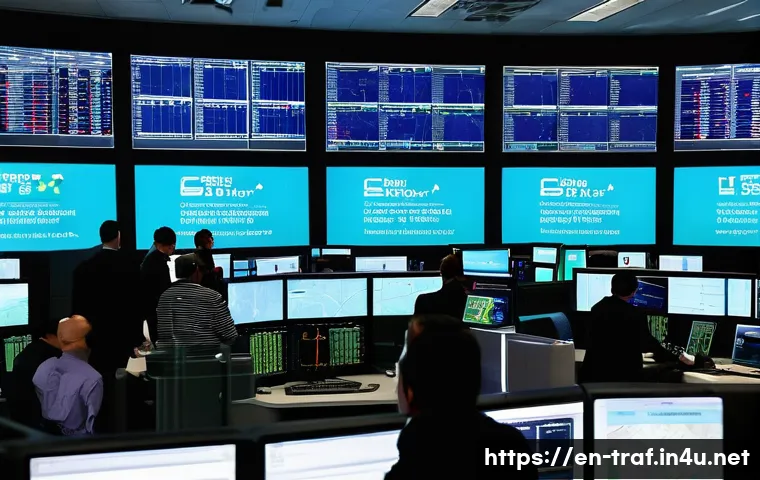
Safety concerns, environmental impacts, and the rise of autonomous vehicles add new layers to the daily operations of traffic professionals. Understanding these issues is crucial for developing effective solutions that benefit communities and commuters alike.
Let’s dive deeper and explore the key challenges faced in the field of traffic management to get a clearer picture of what’s at stake. I’ll walk you through the details so you can grasp the full scope of these pressing matters!
Adapting to Rapid Urban Growth and Its Impact on Traffic Flow
Understanding the Pressure of Expanding City Populations
The surge in urban populations has been relentless, and it’s no secret that traffic management struggles to keep pace. As more people move into cities, the demand for road space and public transit skyrockets.
From my experience working near a rapidly growing metro area, the sheer volume of vehicles during rush hours can be overwhelming. Cities that once had manageable traffic now face gridlocks that stretch for miles, making daily commutes a test of patience and endurance.
This population boom means traffic professionals must think beyond traditional solutions and anticipate future growth patterns, not just react to current congestion.
Balancing Infrastructure Development with Traffic Efficiency
Building new roads or expanding existing ones is often seen as a straightforward fix, but it’s rarely that simple. Infrastructure projects require significant time, money, and community buy-in, which can delay relief for frustrated commuters.
I’ve seen projects delayed by local opposition or budget constraints, forcing traffic engineers to find creative workarounds like optimizing signal timings or encouraging alternative routes.
The key challenge is ensuring that these upgrades do not just move traffic temporarily but truly improve flow in a sustainable way that supports long-term urban growth.
Leveraging Data Analytics to Predict Traffic Patterns
One of the most exciting developments I’ve encountered in recent years is the use of big data and predictive analytics. Traffic management now relies heavily on real-time data from sensors, GPS devices, and mobile apps to anticipate bottlenecks before they occur.
This proactive approach helps in deploying resources more efficiently and adjusting traffic signals dynamically. For example, during a major sporting event, these systems can preemptively reroute traffic to avoid chaos.
However, the challenge lies in collecting accurate data and interpreting it correctly to make sound decisions under pressure.
Integrating Smart Technology for Smarter Traffic Control
Smart Traffic Signals and Adaptive Signal Control
Smart traffic signals have revolutionized how intersections operate. Unlike fixed-timed signals, adaptive control systems adjust light phases based on real-time traffic conditions.
I’ve seen intersections that once caused long backups now clear vehicles smoothly, even during peak hours. These systems use cameras and sensors to measure vehicle queues and adjust accordingly, cutting down unnecessary waits and improving fuel efficiency by reducing idling.
Yet, implementing these technologies citywide requires substantial investment and ongoing maintenance, which can be a hurdle for many municipalities.
Role of Connected Vehicles in Traffic Management
Connected vehicles, capable of communicating with traffic infrastructure and other cars, represent the next frontier. From my discussions with traffic engineers, these vehicles can share information about congestion, accidents, or road hazards instantly, enabling smarter routing and quicker response times.
This connectivity can reduce accidents and improve traffic flow by coordinating movements. However, the widespread adoption depends on technological standards, privacy concerns, and ensuring that older vehicles aren’t left behind, which complicates integration efforts.
Challenges in Cybersecurity and System Reliability
While smart systems offer immense benefits, they also open the door to cybersecurity risks. Traffic management networks, if compromised, could cause widespread disruption or even accidents.
In my conversations with industry experts, the consensus is clear: cybersecurity protocols must be robust and continuously updated to protect sensitive infrastructure.
Additionally, these systems need to maintain high reliability, as failures during peak traffic can be disastrous. Ensuring backup plans and manual overrides are in place is just as important as implementing cutting-edge tech.
Addressing Safety in an Increasingly Complex Traffic Environment
Mitigating Risks at High-Conflict Intersections
Intersections remain hotspots for accidents, especially where multiple modes of transport converge. I’ve personally witnessed how redesigning these areas with features like dedicated turn lanes, pedestrian refuges, and improved signage can drastically reduce collisions.
The challenge lies in tailoring solutions to specific locations, considering factors such as traffic volume, vehicle types, and pedestrian behavior. Safety audits and continuous monitoring are critical to identifying trouble spots before they result in serious incidents.
Promoting Vulnerable Road User Protection
Pedestrians, cyclists, and motorcyclists often bear the brunt of traffic dangers. Traffic professionals are increasingly focusing on infrastructure that protects these groups, like bike lanes, pedestrian crossings, and traffic calming measures.
From my own neighborhood experience, installing raised crosswalks and better lighting made a noticeable difference in driver awareness and pedestrian confidence.
However, balancing the needs of all users on limited road space remains a persistent dilemma, requiring thoughtful planning and community engagement.
Incorporating Autonomous Vehicle Safety Protocols
The rise of autonomous vehicles (AVs) adds another layer of complexity to safety management. AVs are designed to reduce human error, yet their interactions with human drivers and pedestrians present unique challenges.
I’ve read reports where AVs struggled to interpret unpredictable pedestrian actions or aggressive driving behaviors, highlighting the need for rigorous testing and clear regulations.
Traffic managers must collaborate with manufacturers and policymakers to establish protocols that ensure AVs operate safely alongside traditional traffic.
Environmental Considerations Shaping Traffic Policies
Reducing Emissions Through Traffic Optimization
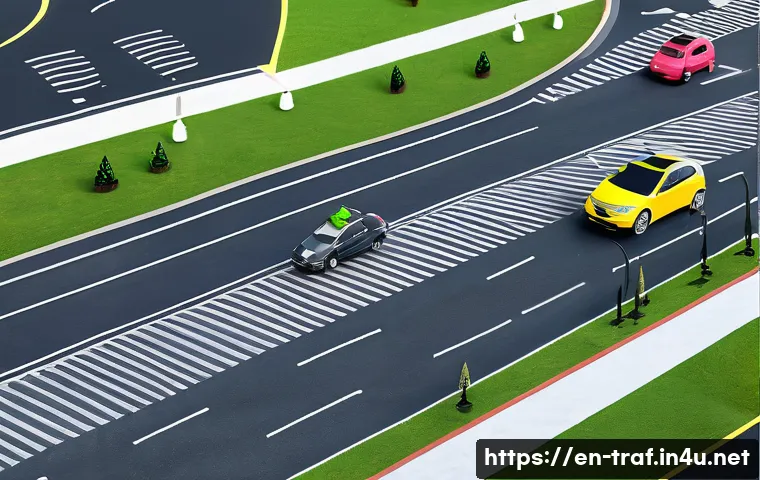
Traffic congestion is a major contributor to urban air pollution, and I’ve noticed firsthand how smoother traffic flow directly impacts air quality. By reducing stop-and-go conditions, optimized signal timing and congestion management can lower vehicle emissions significantly.
Cities adopting these strategies often report measurable improvements in local air quality indexes. However, these benefits require consistent monitoring and adjustments to account for changing traffic patterns and seasonal variations.
Encouraging Sustainable Transportation Alternatives
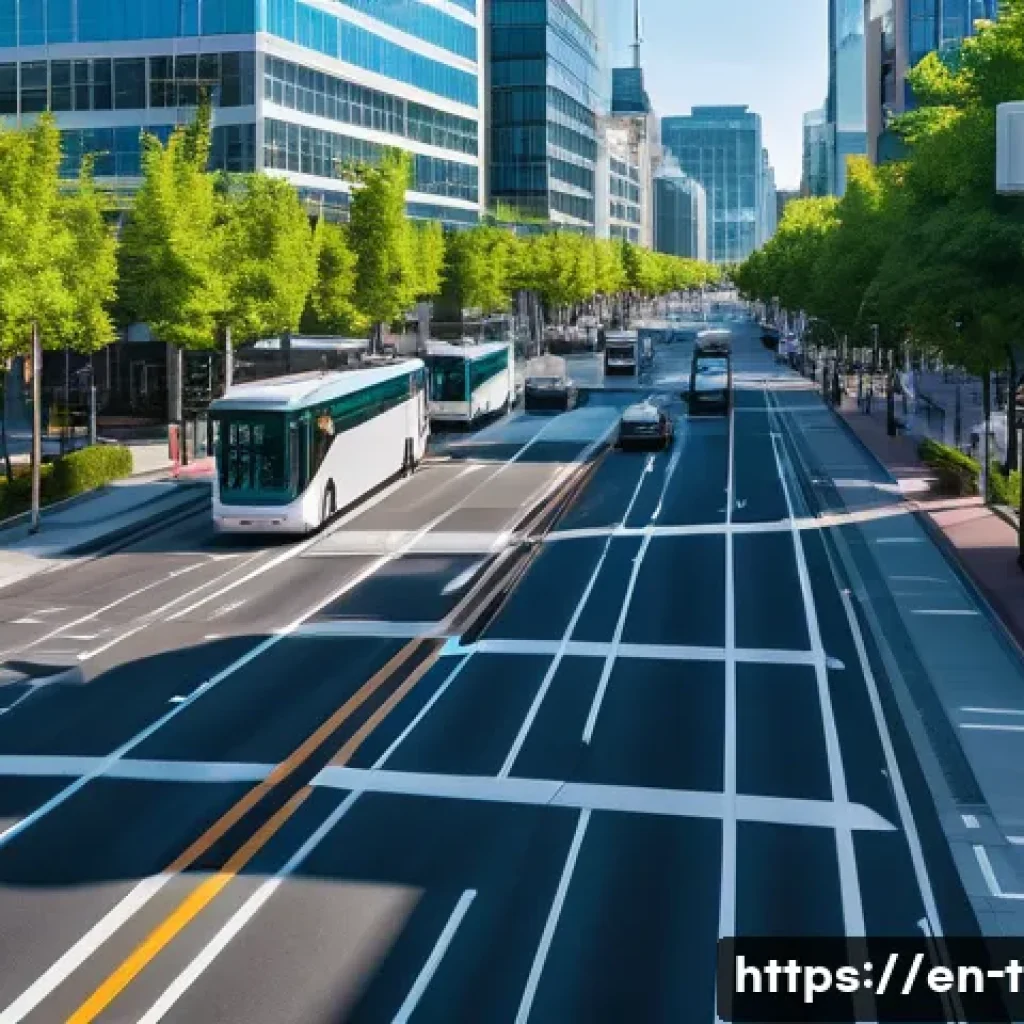
Traffic management is no longer just about cars; it’s about promoting sustainable modes like public transit, cycling, and walking. I’ve observed how integrating dedicated bus lanes or expanding bike-sharing programs can encourage shifts away from private vehicles, easing road congestion.
Yet, these initiatives must be supported by comprehensive urban planning and public education to achieve meaningful adoption. The challenge is making these alternatives convenient, safe, and attractive to a broad range of commuters.
Impact of Traffic Policies on Noise Pollution
Noise pollution is often overlooked but significantly affects urban livability. Traffic generates a constant hum that can disrupt communities, especially in densely populated areas.
Implementing measures like speed control zones, quiet pavement materials, and better traffic flow can help reduce noise levels. From a practical standpoint, these solutions require cooperation between traffic engineers, city planners, and residents to balance mobility needs with quality of life concerns.
The Human Element: Workforce and Community Engagement in Traffic Management
Training and Supporting Traffic Management Professionals
The sophistication of modern traffic systems demands highly skilled professionals. I’ve seen agencies invest heavily in training programs that equip staff with knowledge of new technologies, data analysis, and emergency response protocols.
This human expertise is vital for interpreting data and making real-time decisions that automated systems alone can’t handle. Additionally, fostering a culture of continuous learning helps teams stay ahead of emerging trends and challenges.
Engaging Communities for Better Traffic Solutions
Successful traffic management depends on more than just technology; it hinges on community involvement. Residents often have unique insights into local traffic issues that data might miss.
From my experience attending public forums, open dialogue between officials and citizens can lead to more acceptable and effective solutions. This engagement also helps build trust and cooperation, which are crucial for implementing changes that may disrupt daily routines temporarily but pay off in the long run.
Managing Stress and Decision-Making Under Pressure
Traffic management professionals frequently operate under high-pressure situations where quick decisions can impact safety and efficiency. I’ve spoken with operators who describe the intense focus required during incidents like accidents or severe congestion.
Supporting these individuals through mental health resources and ergonomic work environments is essential to maintain performance and prevent burnout.
Recognizing the human factor in these roles enhances overall system resilience.
Summary of Key Traffic Management Challenges and Approaches
| Challenge | Impact | Common Solutions | Potential Barriers |
|---|---|---|---|
| Urban Population Growth | Increased congestion and demand on infrastructure | Infrastructure expansion, demand forecasting | Budget constraints, community resistance |
| Integration of Smart Technology | Improved traffic flow and responsiveness | Adaptive signals, connected vehicles | High costs, cybersecurity risks |
| Traffic Safety | High accident rates at intersections and vulnerable users | Design improvements, safety protocols | Limited road space, mixed traffic modes |
| Environmental Impact | Pollution and noise affecting urban quality of life | Emission reduction strategies, sustainable transport | Behavioral change challenges, funding |
| Workforce and Community Engagement | Operational effectiveness and public acceptance | Training programs, public involvement | Stress management, conflicting interests |
글을 마치며
Rapid urban growth continues to challenge traditional traffic management approaches, demanding innovative solutions and community collaboration. By embracing smart technologies, prioritizing safety, and considering environmental impacts, cities can create more efficient and livable transportation networks. It’s clear that successful traffic management requires a balanced approach combining technology, human insight, and sustainable planning. As urban areas evolve, ongoing adaptation and engagement will remain key to overcoming congestion and enhancing quality of life.
알아두면 쓸모 있는 정보
1. Urban population growth intensifies traffic congestion, making proactive infrastructure planning essential to prevent gridlock.
2. Adaptive traffic signals and connected vehicle technologies significantly improve traffic flow but require considerable investment and cybersecurity safeguards.
3. Designing intersections with vulnerable road users in mind reduces accidents and promotes safer shared road spaces.
4. Traffic optimization not only eases congestion but also plays a vital role in reducing urban air pollution and noise.
5. Engaging local communities in traffic planning fosters trust and produces solutions that better reflect everyday realities.
핵심 내용 요약
Managing urban traffic effectively involves addressing population-driven congestion, integrating cutting-edge technologies, and enhancing safety for all road users. Environmental considerations and community involvement are equally important to ensure sustainable and accepted traffic solutions. Overcoming financial, technical, and social barriers requires coordinated efforts between professionals, policymakers, and citizens to build resilient and adaptive traffic systems that keep pace with urban growth.
Frequently Asked Questions (FAQ) 📖
Q: What are the biggest challenges cities face when managing traffic congestion today?
A: One of the biggest hurdles is balancing rapid urban growth with existing road infrastructure. As more people move into cities, roads get overwhelmed, leading to frequent traffic jams that frustrate commuters and increase pollution.
Cities also struggle to implement smart technologies fast enough, partly due to budget constraints and the complexity of integrating new systems with old infrastructure.
From my experience, even when cities try to use adaptive traffic signals, inconsistent maintenance and data gaps can limit their effectiveness. So, it’s not just about having the tech but making sure it’s reliable and well-supported.
Q: How do smart traffic signals improve traffic flow and safety?
A: Smart traffic signals use real-time data from sensors and cameras to adjust light timing based on current traffic conditions, which can significantly reduce wait times at intersections.
I’ve seen firsthand how this technology can ease bottlenecks during rush hours by prioritizing heavier traffic flows without causing unnecessary delays for other directions.
Beyond efficiency, these systems enhance safety by detecting emergency vehicles and adjusting signals to clear their path, as well as by reducing pedestrian wait times, which lowers jaywalking incidents.
However, their success depends heavily on proper installation and continuous data monitoring, something not every city manages equally well.
Q: What impact will autonomous vehicles have on future traffic management?
A: Autonomous vehicles (AVs) bring both exciting opportunities and new challenges to traffic management. On the positive side, AVs can communicate with traffic systems and each other to optimize driving patterns, potentially smoothing traffic flow and reducing accidents caused by human error.
From what I’ve observed, pilot programs with AVs show promise in cutting down congestion during peak times. However, widespread adoption means traffic managers will need to rethink infrastructure design, traffic laws, and even how signals operate to accommodate mixed traffic of human-driven and autonomous cars.
It’s a complex transition that requires careful planning to ensure safety and efficiency aren’t compromised.