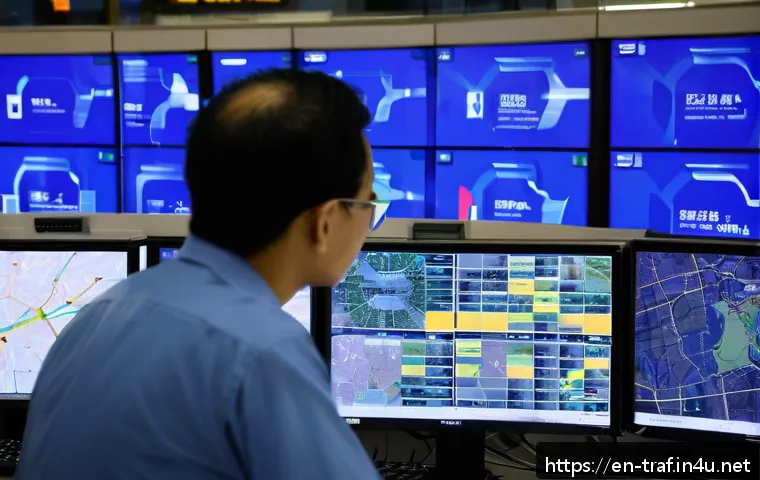
Navigating the fast-paced world of traffic management during my recent internship opened my eyes to challenges and strategies you won’t find in textbooks.
With cities growing and traffic patterns evolving rapidly, understanding real-world solutions has never been more crucial. I’m excited to share the practical lessons and insider tips I gained from hands-on experience, which can help both aspiring professionals and curious readers alike.
Whether you’re interested in urban planning, technology, or just curious about what keeps our roads moving smoothly, this post dives into the realities behind the scenes.
Stick around for insights that blend theory with everyday hustle—trust me, it’s more engaging than you might expect!
Understanding Urban Traffic Flow Dynamics
The Complexity Behind Daily Commutes
Traffic flow is far from just cars moving on roads—it’s a complex dance of timing, driver behavior, and infrastructure design. During my internship, I observed how seemingly small disruptions, like a double-parked vehicle or a pedestrian crossing, ripple through entire intersections causing delays.
It became clear that managing traffic isn’t simply about building more lanes; it’s about anticipating human behavior and adjusting signals dynamically.
This complexity is what makes urban traffic management both challenging and fascinating.
Real-Time Data and Its Impact on Traffic Control
One of the eye-opening experiences was seeing how real-time data collection transforms traffic management. Sensors, cameras, and even GPS data from mobile apps feed into control centers, enabling quick adjustments to signal timings and route recommendations.
I was amazed at how responsive these systems can be, reducing congestion during peak hours by minutes, which adds up to significant time savings citywide.
This hands-on exposure showed me the critical role of technology in modern traffic solutions.
The Role of Human Judgment in Automated Systems
Despite all the tech, human operators remain essential. I spent hours monitoring traffic feeds and learned that automated systems can’t foresee every scenario—like unexpected road closures or emergency vehicle routes.
Operators must interpret data, make judgment calls, and sometimes override automated controls to keep things moving safely. This blend of automation and human insight was a fascinating balance to witness firsthand.
Innovations Shaping the Future of Traffic Management
Adaptive Traffic Signal Systems
Adaptive signals were a highlight of my experience. These systems adjust their timing based on live traffic conditions, unlike traditional fixed-timed signals.
Watching these in action, I noticed smoother flows in congested areas and shorter wait times at intersections. The technology uses machine learning algorithms that improve over time, making the city’s arteries more flexible and responsive.
It’s like giving traffic lights a brain that learns from daily patterns.
Integration of Smart City Technologies
The integration of traffic management with broader smart city initiatives was another fascinating aspect. For instance, traffic data is combined with public transit schedules, weather forecasts, and even event planning to optimize mobility.
I saw how coordinating these elements helps reduce bottlenecks during large events or inclement weather. It’s a multi-layered approach that requires collaboration across departments and agencies, revealing how interconnected urban planning really is.
Electric and Autonomous Vehicles Influence
Emerging vehicle technologies also impact traffic strategies. Autonomous vehicles promise smoother flows and fewer accidents, but they also introduce new challenges like mixed traffic environments where human drivers and robots share the road.
During my time, I learned how traffic management centers are preparing for this transition by updating infrastructure and communication protocols, ensuring safety and efficiency in this evolving landscape.
Challenges in Implementing Traffic Solutions
Balancing Infrastructure Upgrades with Budget Constraints
One harsh reality I witnessed was the constant struggle to balance ambitious traffic improvements with limited budgets. Cities want to implement smart technologies and build new roads, but funding is often tight.
I saw firsthand how prioritization becomes critical—deciding which intersections get upgraded first or which neighborhoods need better pedestrian crossings.
This balancing act requires careful analysis and sometimes tough compromises.
Public Resistance and Behavioral Change
Changing driver and pedestrian habits proved tougher than I expected. For example, introducing new bike lanes or altering traffic patterns can face pushback from locals used to the old ways.
I participated in community meetings where officials had to explain benefits and address concerns patiently. This experience taught me that effective traffic management isn’t just about engineering—it’s about communication and fostering cooperation among diverse stakeholders.
Managing Unpredictable Events
No amount of planning can fully prepare for emergencies like accidents, severe weather, or spontaneous public gatherings. I saw how quick decision-making and contingency plans play a vital role during such incidents.
Traffic managers must coordinate with police, fire departments, and public transit to reroute traffic and minimize disruption. This fast-paced, high-pressure environment demands a calm, clear-headed approach that I found both intense and rewarding.
Key Technologies Driving Efficiency
Traffic Sensors and Detection Systems
Traffic sensors are the backbone of modern management, providing crucial data on vehicle counts, speed, and congestion. During my internship, I helped analyze sensor data and saw how it’s used to trigger signal changes or alert operators to issues.
These devices come in many forms, from inductive loops buried under pavement to video analytics cameras, each suited for different environments and needs.
Centralized Traffic Management Platforms
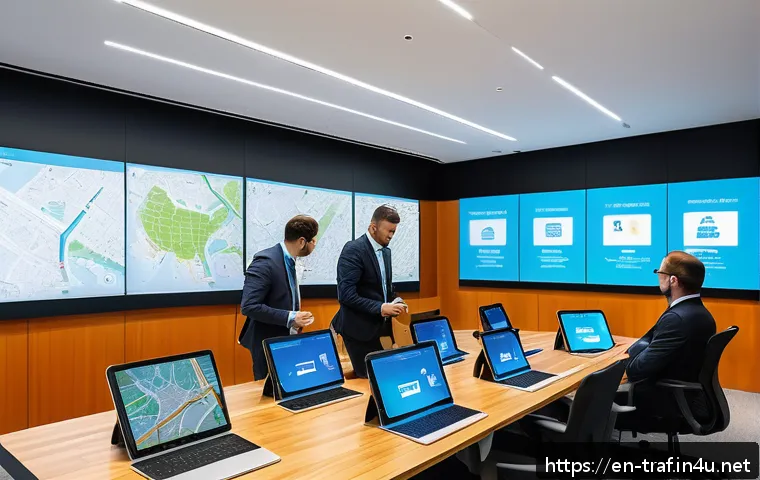
Central hubs that consolidate all incoming data allow operators to have a comprehensive view of the city’s traffic at any moment. I spent hours in the control room, watching how software integrates live feeds, historical data, and predictive models.
This centralized approach enables coordinated responses and strategic planning, making it easier to deploy resources where they’re needed most.
Mobile Apps and Public Engagement
Engaging the public through apps that provide real-time traffic updates and route suggestions is a game changer. I noticed how these tools reduce congestion by encouraging drivers to avoid hotspots and use alternative routes or transit options.
This direct line of communication with road users helps traffic managers influence behavior positively and gather feedback for continuous improvement.
Evaluating Traffic Management Strategies
Metrics for Success
Measuring the effectiveness of traffic strategies is essential but complex. During my internship, I learned about key performance indicators like average travel time, delay per intersection, and incident response times.
These metrics help justify investments and guide future improvements. I found it fascinating how data-driven evaluation provides a clear picture of what’s working and what needs adjustment.
Case Studies of Successful Implementations
Reviewing real-world examples helped me understand how theory translates into practice. For instance, a nearby city’s implementation of synchronized green waves drastically cut down rush-hour congestion.
Studying these cases highlighted the importance of tailored solutions—what works in one urban area might not suit another due to differences in layout, population, or driver habits.
Continuous Improvement and Feedback Loops
Traffic management is never “finished.” I observed how agencies continuously monitor outcomes and tweak systems accordingly. Feedback from operators, public surveys, and automated alerts feed into iterative improvements.
This culture of ongoing refinement ensures that traffic solutions evolve alongside changing urban dynamics and technologies.
Summary of Traffic Management Components and Their Functions
| Component | Function | Impact on Traffic Flow |
|---|---|---|
| Traffic Sensors | Collect real-time data on vehicle presence, speed, and density | Enable dynamic signal adjustments and congestion monitoring |
| Adaptive Traffic Signals | Modify signal timing based on live traffic conditions | Reduce wait times and improve intersection throughput |
| Centralized Management Systems | Integrate multiple data sources and provide operator control | Allow coordinated responses and strategic planning |
| Public Engagement Apps | Provide real-time traffic updates and route suggestions | Encourage behavior changes to alleviate congestion |
| Emergency Response Coordination | Manage incidents through inter-agency collaboration | Minimize disruption and maintain safety during emergencies |
The Human Element in Traffic Management
Skills and Qualities of Traffic Operators
Beyond technical knowledge, I realized that successful traffic managers need sharp problem-solving skills, patience, and the ability to stay calm under pressure.
Operators often juggle multiple tasks simultaneously, from monitoring screens to communicating with field teams. The human element adds flexibility and empathy that machines can’t replicate, making operators indispensable.
Collaborating Across Agencies
Traffic management involves coordination with various stakeholders—city planners, law enforcement, public transit, and sometimes even event organizers.
I participated in meetings that highlighted the importance of clear communication and shared goals. This collaboration ensures that traffic strategies align with broader urban objectives like safety, sustainability, and accessibility.
Learning from On-the-Job Experience
There’s no substitute for hands-on experience. I found that every day brought new challenges and learning opportunities, reinforcing concepts from textbooks and revealing practical nuances.
From troubleshooting sensor malfunctions to adapting signal plans on the fly, the real-world environment sharpened my skills and deepened my understanding of traffic management’s dynamic nature.
In Conclusion
Understanding urban traffic flow is crucial for creating smarter, more efficient cities. My hands-on experience revealed how technology, human insight, and thoughtful planning all work together to ease congestion and improve safety. As cities grow, adapting traffic management strategies will remain essential to meet evolving demands and enhance daily commutes for everyone.
Useful Information to Remember
1. Real-time data collection is key to responsive and adaptive traffic control systems.
2. Human operators play a vital role in managing unexpected traffic events beyond automated capabilities.
3. Collaboration between agencies ensures traffic solutions align with broader urban goals like safety and sustainability.
4. Public engagement through mobile apps helps influence driver behavior and reduce congestion.
5. Continuous monitoring and feedback loops drive ongoing improvements in traffic management strategies.
Summary of Key Takeaways
Effective traffic management depends on balancing advanced technology with human judgment and cooperation across multiple stakeholders. Budget limitations and public acceptance can pose challenges, but strategic prioritization and clear communication help overcome these hurdles. Embracing adaptive systems and smart city integration paves the way for smoother, safer urban mobility while ongoing evaluation ensures solutions evolve alongside city needs.
Frequently Asked Questions (FAQ) 📖
Q: uestionsQ1: What are the biggest challenges faced in traffic management today?
A: From my hands-on experience during the internship, one of the toughest challenges is dealing with the unpredictability of human behavior combined with rapidly changing urban environments.
Traffic patterns can shift dramatically due to events, construction, or even weather, requiring flexible and adaptive solutions. Additionally, balancing the needs of different road users—drivers, cyclists, pedestrians, and public transit—adds complexity that textbooks often oversimplify.
Q: How does technology improve traffic management in real cities?
A: Technology plays a huge role, but it’s not just about fancy gadgets. During my time on the ground, I saw how data from sensors, cameras, and GPS feeds feed into real-time traffic control systems that adjust signal timings and provide instant updates to commuters.
This reduces congestion and improves safety. However, technology must be integrated thoughtfully with human oversight; automated systems alone can’t handle every scenario perfectly.
Q: What advice would you give to someone interested in a career in traffic or urban planning?
A: I’d say get as much practical exposure as possible. Theory is important, but nothing beats seeing how cities actually operate and dealing with unexpected challenges firsthand.
Internships or volunteering with local transportation departments or planning agencies can provide invaluable insights. Also, stay curious about emerging trends like smart cities and sustainable transport, as these areas are rapidly shaping the future of traffic management.