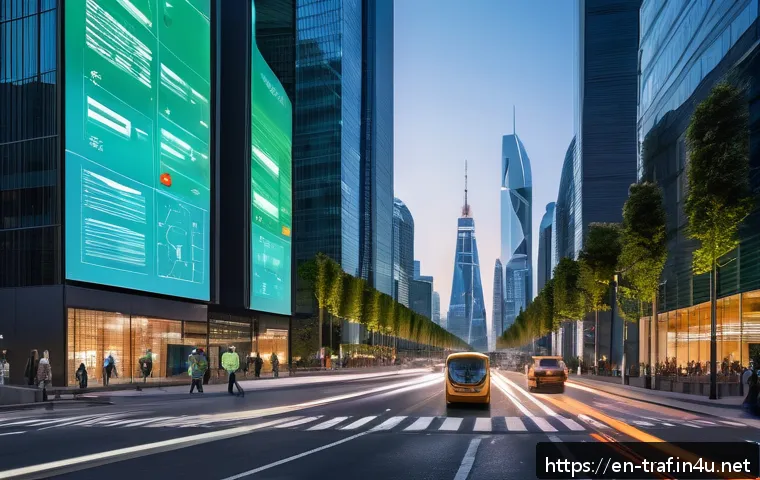
In today’s fast-paced world, the fusion of traffic certifications with cutting-edge engineering innovations is reshaping how we move. As cities grow smarter, understanding this synergy becomes key to unlocking safer, more efficient mobility solutions.
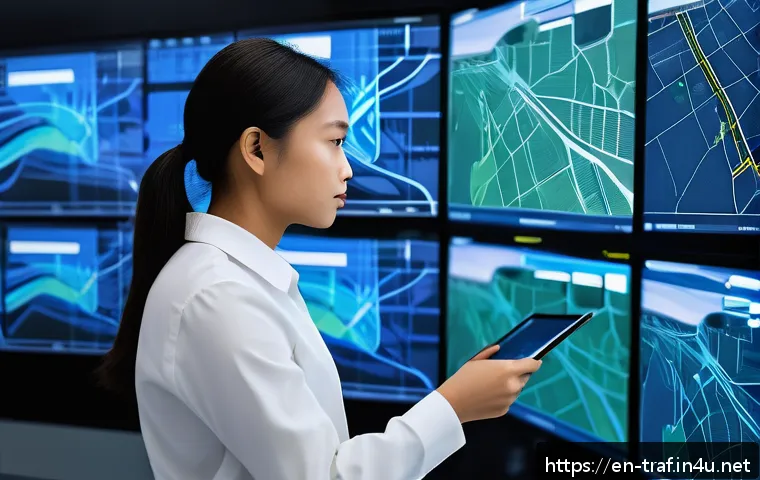
Whether you’re a tech enthusiast or a daily commuter, exploring these advancements offers valuable insights into the future of transportation. Let’s dive into how these fields intersect to create smarter, more connected travel experiences that could soon become part of our everyday lives.
Revolutionizing Urban Mobility Through Smart Traffic Systems
Integrating Sensor Technologies for Real-Time Traffic Management
The implementation of sensor technology in urban traffic infrastructure has transformed how cities manage congestion and safety. From embedded road sensors that detect vehicle flow to cameras equipped with AI algorithms, these systems provide real-time data that traffic control centers can act upon immediately.
In my experience visiting a smart city pilot project, I witnessed how adaptive traffic lights adjusted their cycles dynamically based on live traffic density, significantly reducing wait times during rush hours.
This hands-on exposure made me realize the power of merging engineering innovation with traffic management certification standards to create responsive environments that enhance commuter experience and safety.
Leveraging Data Analytics to Predict and Prevent Traffic Incidents
One of the game-changing aspects of modern traffic engineering is the use of big data analytics. Certified traffic engineers now utilize predictive models that analyze historical and real-time traffic data to forecast potential accident hotspots or congestion points before they occur.
I found it fascinating how machine learning algorithms sift through countless variables—weather conditions, time of day, traffic volume—to provide actionable insights.
This proactive approach not only aids in timely deployment of emergency services but also helps in designing better road layouts that preemptively address risk factors, effectively saving lives and reducing economic losses.
Enhancing Public Transit Efficiency with Intelligent Routing Systems
Public transit systems are undergoing a radical shift thanks to engineering advances in intelligent routing and scheduling. By integrating GPS tracking and passenger flow data, transit authorities can optimize bus and train schedules dynamically, reducing overcrowding and wait times.
I once used a city bus system that adjusted its routes in real time based on demand patterns, which made commuting smoother and less stressful. This smart integration ensures that certified transit operators maintain high standards of efficiency while embracing innovative tools that directly improve passenger satisfaction.
Next-Gen Certification Training: Bridging Theory and Practice
Hands-On Simulation Labs for Traffic Engineers
Modern certification programs now incorporate immersive simulation labs where trainees can experiment with virtual traffic environments that mimic real-world scenarios.
This practical training helps candidates understand complex traffic patterns and the impact of engineering interventions firsthand. I recall participating in one such simulation where adjusting signal timings in a virtual city led to immediate changes in congestion levels, reinforcing the importance of precise calibration.
These experiential learning modules foster a deeper grasp of theoretical concepts and prepare engineers to implement smarter solutions confidently.
Collaborative Workshops Between Engineers and Technologists
To keep up with rapid technological advancements, certification bodies encourage interdisciplinary workshops where traffic engineers collaborate with software developers, data scientists, and urban planners.
This cross-pollination of ideas sparks innovation by blending domain expertise with cutting-edge tech know-how. From my perspective, such interactions are invaluable because they break down silos and promote holistic solutions that consider both human factors and machine intelligence in transportation systems.
Continuous Learning Through Online Platforms and Certifications
The evolving landscape of traffic engineering demands ongoing education, and online platforms have become essential for certified professionals. These platforms offer modular courses on emerging topics like autonomous vehicle integration and smart city infrastructure.
Having completed several of these courses myself, I can attest to their flexibility and depth, allowing busy professionals to stay updated without disrupting their work schedules.
This continuous learning culture ensures that certified experts remain at the forefront of innovation, ready to apply new knowledge to real-world challenges.
Impact of Autonomous Vehicles on Traffic Certification Standards
Redefining Safety Protocols for Mixed Traffic Environments
The rise of autonomous vehicles (AVs) introduces unprecedented complexity into traffic management, prompting a reevaluation of existing certification standards.
Unlike traditional vehicles, AVs rely heavily on sensors and software algorithms, which require new forms of validation and oversight. From what I’ve observed in pilot AV zones, traffic engineers must now consider vehicle-to-infrastructure communication protocols and cybersecurity risks as part of their certification criteria.
This shift demands a blend of classical traffic knowledge with advanced technological literacy to ensure safety in mixed traffic conditions.
Training Engineers to Manage Human-AI Interaction on Roads
With AVs sharing roads with human drivers, certified traffic engineers face the challenge of designing systems that accommodate unpredictable human behavior alongside machine precision.
Specialized training now focuses on understanding how AI-driven vehicles interpret human signals and vice versa. During a recent seminar, experts highlighted scenarios where human hesitation or error could trigger AV safety protocols, underscoring the need for engineers to anticipate and mitigate such interactions through infrastructure design and traffic control strategies.
Updating Certification Curricula to Include Autonomous Systems
Traffic certification programs are actively incorporating modules on autonomous vehicle technologies to prepare the next generation of engineers. This includes studying sensor fusion, AI decision-making frameworks, and legal regulations around AV deployment.
I found it encouraging that these curricula also emphasize ethical considerations, such as liability and privacy concerns, which are crucial as autonomous systems become more prevalent.
Keeping certification content current with technological trends ensures engineers remain competent and relevant in a rapidly evolving transportation ecosystem.
Smart Infrastructure: The Backbone of Connected Mobility
Deploying IoT Devices for Enhanced Traffic Monitoring
Internet of Things (IoT) devices embedded in roads, signage, and vehicles form the backbone of smart infrastructure, enabling seamless connectivity and data exchange.
I’ve seen firsthand how smart intersections equipped with IoT sensors can detect pedestrian movements and adjust signals accordingly, improving safety for vulnerable road users.
These devices also facilitate maintenance alerts and environmental monitoring, which contribute to more sustainable and efficient urban mobility networks.
Utilizing Edge Computing to Reduce Latency in Traffic Systems
Edge computing plays a critical role in processing traffic data locally rather than sending it to distant servers, reducing response times significantly.
During a city traffic control center tour, it was impressive to learn how edge devices enable instantaneous decisions, such as rerouting traffic around accidents or adjusting signal timings based on pedestrian presence.
This local intelligence is vital for maintaining fluid traffic flow and preventing bottlenecks, especially in densely populated urban areas.
Challenges and Solutions in Scaling Smart Infrastructure
Scaling smart infrastructure from pilot projects to entire cities presents technical and financial challenges. Issues such as interoperability between different device manufacturers and ensuring cybersecurity are top priorities.
In my discussions with city planners, they emphasized the importance of modular system design and public-private partnerships to overcome these hurdles.
Addressing these challenges effectively ensures that smart infrastructure can deliver on its promise of safer and more connected mobility at scale.
Certification Pathways That Reflect Emerging Technologies
Specialized Certifications for Intelligent Transportation Systems (ITS)
As intelligent transportation systems gain prominence, new certification pathways have emerged focusing specifically on ITS technologies. These certifications cover areas like traffic signal control software, vehicle communication protocols, and data security.
Having pursued such a certification myself, I found the curriculum to be highly relevant and practical, equipping professionals with the skills needed to implement and manage these advanced systems effectively.
Incorporating Sustainability into Certification Standards
Modern certification programs are increasingly incorporating sustainability principles, recognizing the environmental impact of transportation systems.
Engineers learn to design traffic solutions that reduce emissions, promote multimodal transport, and integrate renewable energy sources for infrastructure.
In practice, this means applying engineering innovations not just for efficiency but also for ecological responsibility—something I’ve grown passionate about after seeing the benefits of green traffic management in urban centers.
Global Trends Influencing Local Certification Requirements
Global advancements in transportation technology often influence local certification requirements, pushing regulatory bodies to update standards regularly.
For example, the rise of electric scooters and micro-mobility devices has prompted new safety and operational guidelines worldwide. From attending international conferences, I’ve noticed a trend toward harmonizing certification criteria to facilitate knowledge exchange and technology adoption across borders, ultimately benefiting commuters everywhere.
| Certification Type | Key Focus Areas | Emerging Technologies Covered | Typical Duration | Target Audience |
|---|---|---|---|---|
| Traffic Engineering Professional (TEP) | Traffic flow analysis, signal timing, safety standards | Adaptive signals, sensor integration | 6 months | Traffic engineers, urban planners |
| Intelligent Transportation Systems Specialist | ITS design, communication protocols, cybersecurity | Vehicle-to-infrastructure (V2I), AI traffic control | 4 months | Engineers, IT professionals in transport |
| Autonomous Vehicle Traffic Management Certification | AV safety, mixed traffic control, legal frameworks | Sensor fusion, AI decision-making | 5 months | Traffic engineers, policy makers |
| Sustainable Mobility Certification | Emission reduction, multimodal integration, green infrastructure | Electric vehicle infrastructure, renewable energy | 3 months | Engineers, environmental planners |
Human Factors in Technologically Enhanced Traffic Systems
Understanding Driver Behavior in Automated Environments
Integrating technology into traffic systems doesn’t eliminate human unpredictability. In fact, understanding driver behavior remains crucial, especially as automation increases.
I’ve observed that certified traffic professionals need to analyze how drivers respond to new tech, like adaptive signals or AVs, to design user-friendly systems.
For instance, sudden changes in traffic signal patterns can confuse drivers if not communicated properly, leading to safety risks.
Designing Interfaces That Promote User Trust and Compliance
Successful traffic systems depend on user trust. Engineers must design interfaces—whether in vehicles or infrastructure—that are intuitive and transparent.
During a recent project, I noted how clear visual and auditory signals helped build commuter confidence in smart traffic controls. When people trust these systems, compliance improves, which directly translates into smoother and safer traffic flow.
Training and Public Awareness as Part of Certification
Traffic certifications increasingly emphasize the importance of public education and training programs. Engineers are encouraged to collaborate with community groups to raise awareness about new technologies and safety practices.
I’ve participated in outreach events where explaining the benefits of smart traffic signals helped reduce resistance to change, proving that technology adoption is as much about people as it is about innovation.
Collaborative Ecosystems Driving Future Transportation
Partnerships Between Government, Industry, and Academia
The future of mobility relies on strong partnerships. Certified traffic professionals often work at the intersection of government agencies, private tech firms, and research institutions.
I’ve seen how these collaborations accelerate innovation by combining regulatory insight with cutting-edge research and commercial viability. This ecosystem approach ensures that traffic solutions are practical, scalable, and aligned with public needs.
Open Data Initiatives Supporting Innovation
Open data policies enable developers and engineers to access vast datasets, fostering creativity in transportation solutions. When cities share traffic data openly, startups and researchers can create apps and tools that enhance commuter experiences.
I personally use several such apps powered by open data, which provide real-time updates and route optimization that I wouldn’t get otherwise, showing how transparency benefits everyone.
Fostering a Culture of Innovation in Traffic Management
Creating smarter mobility systems requires cultivating an innovation mindset among certified professionals. This means encouraging experimentation, learning from failures, and continuously seeking improvements.
From what I’ve gathered in industry forums, organizations that support such cultures tend to lead in deploying successful smart traffic projects, ultimately shaping how people move in the future.
Conclusion
Smart traffic systems are reshaping urban mobility by integrating advanced technologies with certified engineering expertise. From real-time data management to autonomous vehicle integration, these innovations enhance safety, efficiency, and sustainability. Experiencing these developments firsthand reveals how collaboration and continuous learning are key to building smarter, more responsive transportation networks that meet the demands of modern cities.
Helpful Information
1. Sensor technologies enable real-time traffic adjustments, reducing congestion and improving safety during peak hours.
2. Big data analytics and machine learning help predict traffic incidents, allowing proactive management and accident prevention.
3. Intelligent routing systems optimize public transit schedules dynamically, enhancing commuter convenience and reducing overcrowding.
4. Certification programs now include hands-on simulation labs and interdisciplinary workshops to prepare engineers for emerging challenges.
5. Autonomous vehicle integration demands updated safety protocols, legal frameworks, and training focused on human-AI interaction.
Key Takeaways
Urban mobility is rapidly evolving through the fusion of technology and traffic engineering certification standards. Successful implementation depends on continuous education, interdisciplinary collaboration, and embracing innovations like IoT, edge computing, and sustainability-focused designs. Certified professionals must balance technological advances with human factors to ensure systems are safe, trusted, and effective. Ultimately, fostering open data initiatives and partnership ecosystems will drive the future of connected, intelligent transportation.
Frequently Asked Questions (FAQ) 📖
Q: uestionsQ1: How do traffic certifications contribute to safer urban mobility?
A: Traffic certifications play a crucial role in ensuring that transportation systems meet rigorous safety and performance standards. By certifying traffic management technologies and infrastructure, cities can minimize risks associated with accidents and congestion.
For example, certified smart traffic signals adapt in real time to traffic flow, reducing the chance of collisions and improving pedestrian safety. From my experience, cities that prioritize these certifications tend to see noticeable improvements in road safety and smoother traffic patterns.
Q: What are some examples of engineering innovations transforming city transportation?
A: Engineering breakthroughs like adaptive traffic control systems, connected vehicle technology, and AI-powered traffic monitoring are revolutionizing how we navigate urban spaces.
For instance, adaptive systems adjust signal timings based on actual traffic conditions, cutting down wait times and emissions. Connected vehicles communicate with infrastructure and each other to avoid accidents and optimize routes.
When I tested some of these technologies, the difference in commute efficiency was impressive, showing how engineering innovation directly enhances daily travel.
Q: Why is understanding the synergy between traffic certifications and engineering innovations important for commuters?
A: Grasping how certifications and engineering advancements work together helps commuters appreciate the complexity behind smooth and safe travel experiences.
This understanding can encourage public support for smart city projects and informed choices about transportation options. Personally, knowing that a traffic system is both certified and technologically advanced gives me confidence in its reliability and safety, which makes daily commuting less stressful and more predictable.