
Earning a traffic safety expert certification opens doors to numerous career opportunities in fields like transportation planning, public safety, and risk management.
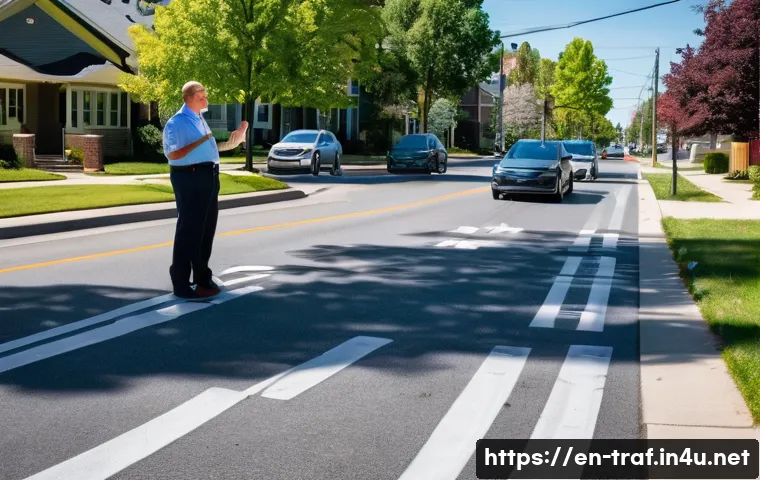
With the increasing focus on reducing road accidents and improving urban mobility, professionals with specialized knowledge are in high demand. This certification not only enhances your credibility but also equips you with practical skills to influence policy and implement effective safety measures.
Whether you’re aiming to work in government agencies, private firms, or community organizations, understanding how to leverage this qualification can be a game-changer.
Let’s dive deeper into the best ways to make the most out of your traffic safety expert certification!
Maximizing Your Impact in Transportation Planning
Applying Safety Expertise to Urban Mobility Projects
When you bring traffic safety certification into transportation planning, you’re not just adding a credential—you’re stepping into a role that directly shapes safer streets and smarter infrastructure.
From my experience consulting on urban projects, the certification sharpens your ability to assess risk factors and propose targeted interventions. It’s about understanding the nuanced behaviors of drivers, pedestrians, and cyclists, then weaving those insights into practical designs.
For example, adding dedicated bike lanes or redesigning intersections isn’t just about aesthetics; it’s a calculated move to reduce conflict points. This hands-on knowledge helps you advocate more persuasively with city planners and engineers, ultimately improving safety outcomes for the whole community.
Collaborating with Multidisciplinary Teams
A traffic safety expert often acts as a bridge between technical experts and policymakers. In real-world scenarios, you’ll find yourself translating complex safety data into actionable strategies that various stakeholders can understand and support.
This collaboration fosters a richer dialogue between engineers, environmental planners, and public health officials, ensuring that safety considerations aren’t sidelined.
From my time working with multidisciplinary teams, the certification equips you to speak confidently about crash data trends, human factors, and mitigation techniques, which makes you a valued contributor in discussions that drive impactful decisions.
Leveraging Data for Evidence-Based Solutions
One of the most valuable aspects of your certification is the ability to harness data for crafting evidence-based safety measures. Whether it’s analyzing crash hotspots or evaluating the effectiveness of traffic calming devices, your training helps you sift through vast amounts of data to pinpoint where interventions are most needed.
I’ve found that this skill not only boosts your credibility but also empowers you to propose solutions grounded in facts, which is essential for securing funding and political support.
Enhancing Public Safety Through Risk Management
Proactive Identification of High-Risk Areas
Certified traffic safety experts excel at spotting potential dangers before accidents occur. This proactive approach is a game-changer in public safety.
By systematically reviewing traffic patterns, environmental conditions, and historical accident data, you can identify high-risk zones that might otherwise be overlooked.
In my experience working with municipal safety programs, early identification of these hotspots enables targeted interventions such as improved signage, lighting upgrades, or speed limit adjustments that prevent crashes and save lives.
Designing and Implementing Safety Campaigns
Beyond infrastructure, your certification empowers you to lead impactful safety awareness campaigns. Crafting messages that resonate with diverse audiences—drivers, pedestrians, or young riders—requires not only technical knowledge but also communication skills.
I’ve seen how combining data-driven insights with relatable messaging can shift behaviors effectively. For example, campaigns focusing on distracted driving or seat belt use become much more credible when led by certified experts who understand the science behind the risks.
Integrating Technology for Risk Mitigation
The rapid advancement of vehicle and traffic management technologies opens exciting avenues for risk reduction. Certified professionals are better positioned to evaluate and recommend technologies like adaptive traffic signals, automated speed enforcement, or connected vehicle systems.
Having worked on projects integrating these technologies, I can attest that certification provides a solid foundation to navigate their complexities and optimize their deployment for maximum safety benefits.
Advancing Your Career in Government and Private Sectors
Opening Doors in Public Agencies
Many government agencies highly value traffic safety certification when hiring or promoting staff. This credential often acts as a key differentiator, signaling your commitment and expertise.
From my observations, certified professionals are frequently tapped for leadership roles in departments of transportation, public works, or highway safety offices.
These roles offer the opportunity to influence large-scale policy and funding decisions, making your impact far-reaching.
Consulting and Private Sector Opportunities
The private sector is equally hungry for traffic safety experts, especially consulting firms that advise municipalities or corporate clients on risk reduction.
Certification enhances your portfolio and credibility, which can lead to higher-paying projects or contracts. I personally witnessed certified consultants negotiating better terms and gaining trust faster with clients, thanks to their recognized expertise.
Building a Professional Network
Certification programs often come with access to exclusive industry groups, training, and events. These networking opportunities are invaluable for career growth.
From my own journey, engaging with peers and mentors through these channels has opened doors to collaborations, job leads, and knowledge exchange that you won’t find elsewhere.
Influencing Policy and Regulatory Frameworks
Understanding Legislative Processes
Having a traffic safety expert certification gives you a leg up when engaging with policymakers. The credential signals that you understand not just safety principles but also the regulatory landscape.
I’ve found that this insight is critical when providing testimony, drafting policy recommendations, or participating in advisory committees. It allows you to frame arguments in ways that resonate with legislators who may not have technical backgrounds.
Advocating for Evidence-Based Regulations
Your certification equips you with the tools to push for regulations grounded in solid data rather than assumptions or political pressure. For instance, advocating for stricter speed limits or improved pedestrian crossings becomes much more effective when backed by thorough analysis.
Based on my experience, policymakers respond better to expert-backed proposals that clearly demonstrate potential safety gains and cost-benefit advantages.
Shaping Standards and Best Practices
Certified experts often contribute to developing or revising industry standards, which can shape how safety is managed nationwide. Participating in committees or working groups allows you to influence best practices and ensure that new guidelines reflect the latest research and technologies.
I’ve had the privilege to be part of such efforts, and it’s incredibly rewarding to see your input translate into standards that improve safety for millions.
Utilizing Certification for Community Engagement and Education

Leading Local Safety Initiatives
Certified traffic safety professionals are well-positioned to spearhead community-based safety programs. Whether organizing neighborhood traffic audits or school safety workshops, your expertise lends credibility and structure.
I recall helping a local coalition where the certification helped secure grants and partnerships, ultimately leading to measurable reductions in speeding and pedestrian injuries.
Educating Diverse Audiences
Effective safety education requires tailoring messages to different community groups. Your certification ensures you understand the behavioral science behind risk and can craft programs that resonate across age groups, cultures, and literacy levels.
From my experience, this adaptability makes your outreach efforts more impactful and sustainable.
Building Partnerships with Stakeholders
Community safety is a collaborative effort, and certified experts often serve as trusted liaisons between residents, local government, law enforcement, and advocacy groups.
By facilitating dialogue and aligning goals, you help create holistic safety solutions. I’ve seen firsthand how these partnerships can drive momentum for lasting change.
Keeping Skills Sharp with Continuing Education
Staying Updated with Industry Trends
Traffic safety is an evolving field influenced by new technologies, research, and policies. Maintaining your certification often requires continuing education, which is crucial for staying relevant.
Personally, I’ve benefited from ongoing training courses that introduced me to cutting-edge traffic simulation software and emerging safety devices, keeping my skill set fresh and marketable.
Expanding Expertise into Related Areas
Continuing education also offers the chance to branch out into complementary fields such as environmental design, data analytics, or public health. This cross-disciplinary knowledge enhances your value and opens new career pathways.
For example, I took courses in GIS mapping that have since helped me analyze traffic patterns more effectively.
Networking Through Professional Development
Workshops and conferences serve as prime venues for meeting other professionals and learning from their experiences. I find that these events often spark collaborations or mentorships that have propelled my career forward.
Investing time in professional development is not just about knowledge, but also about building relationships that last.
| Career Path | Key Benefits of Certification | Typical Employers | Skills Enhanced |
|---|---|---|---|
| Transportation Planner | Improved project credibility, data-driven decision making | City planning departments, consulting firms | Risk assessment, urban mobility design |
| Public Safety Officer | Proactive hazard identification, public education leadership | Government safety agencies, nonprofits | Community outreach, campaign management |
| Risk Manager | Accident data analysis, policy advocacy | Private corporations, insurance firms | Data analytics, regulatory compliance |
| Policy Advisor | Influence on legislation, evidence-based regulation | Government bodies, advocacy organizations | Legislative process, stakeholder communication |
| Consultant | Expanded client trust, diverse project opportunities | Consulting firms, independent contractors | Technical expertise, client management |
Building Personal Brand and Online Presence
Showcasing Your Certification Effectively
In today’s digital world, how you present your certification can make a big difference. I found that featuring your credentials prominently on LinkedIn profiles, professional websites, and portfolios instantly boosts your perceived expertise.
Adding case studies or project highlights that demonstrate the practical impact of your certification makes your profile stand out even more.
Creating Valuable Content to Engage Audiences
Sharing insights through blogs, webinars, or social media posts helps establish you as a thought leader in traffic safety. From my experience, providing actionable tips or analyzing recent safety trends attracts a loyal following and builds trust with potential employers or clients.
This content marketing strategy also supports SEO efforts, driving more traffic to your professional platforms.
Leveraging Testimonials and Endorsements
Recommendations from colleagues, supervisors, or clients who recognize your certification’s value can significantly enhance your credibility. I’ve seen how these endorsements on professional networks or websites encourage recruiters and clients to take notice.
Don’t hesitate to ask for testimonials after successful projects or collaborations—they’re powerful social proof.
Conclusion
Achieving traffic safety certification opens doors to making a meaningful impact on transportation planning and public safety. Drawing from real-world experience, this credential not only enhances your expertise but also strengthens your ability to collaborate, influence policy, and lead community initiatives. By continuously updating your skills and building a strong professional presence, you set yourself up for a rewarding career dedicated to safer, smarter mobility solutions.
Useful Information to Keep in Mind
1. Certification sharpens your ability to analyze risk and implement targeted safety measures that improve urban mobility.
2. Collaborating across disciplines ensures safety is integrated into broader planning and public health efforts.
3. Leveraging data-driven insights helps secure funding and political support for impactful safety projects.
4. Ongoing education and networking keep your skills current and expand your career opportunities.
5. Building an online presence and showcasing your expertise effectively enhances your professional reputation and influence.
Key Takeaways
Traffic safety certification empowers professionals to proactively identify hazards, design effective interventions, and lead educational campaigns that save lives. It serves as a valuable asset in both public and private sectors, opening pathways to leadership and consulting roles. Maintaining up-to-date knowledge and engaging with industry networks further strengthens your ability to influence policy and advance best practices. Ultimately, this certification is a strategic tool for anyone committed to creating safer, more sustainable transportation environments.
Frequently Asked Questions (FAQ) 📖
Q: How can a traffic safety expert certification improve my job prospects in the transportation industry?
A: Earning this certification significantly boosts your credibility by demonstrating specialized knowledge in traffic safety, which is highly valued in transportation planning, public safety, and risk management sectors.
Employers look for candidates who can not only understand safety regulations but also apply practical solutions to reduce accidents and enhance urban mobility.
From my experience, certified experts often have a clear advantage when applying for roles in government agencies, consulting firms, or community organizations because they bring a proven ability to influence policy and implement effective safety measures.
Q: What practical skills will I gain from a traffic safety expert certification that can be applied on the job?
A: The certification equips you with hands-on skills such as analyzing traffic accident data, designing safety interventions, and assessing risk factors in various environments.
You’ll learn how to create actionable safety plans that comply with current regulations and best practices. In my own career, these skills have allowed me to confidently propose changes that directly lowered accident rates in urban areas.
Additionally, you’ll become adept at communicating safety strategies to diverse stakeholders, which is crucial for getting buy-in and making a tangible impact.
Q: Are there specific industries or organizations where this certification is especially valuable?
A: Absolutely. Traffic safety expertise is highly sought after in government transportation departments, urban planning agencies, insurance companies, and private consulting firms specializing in infrastructure safety.
Nonprofits and community organizations focused on public health and road safety also prioritize professionals with this certification. From what I’ve seen, those holding the certification can bridge the gap between technical knowledge and practical implementation, making them indispensable in roles that require both strategic planning and on-the-ground execution.