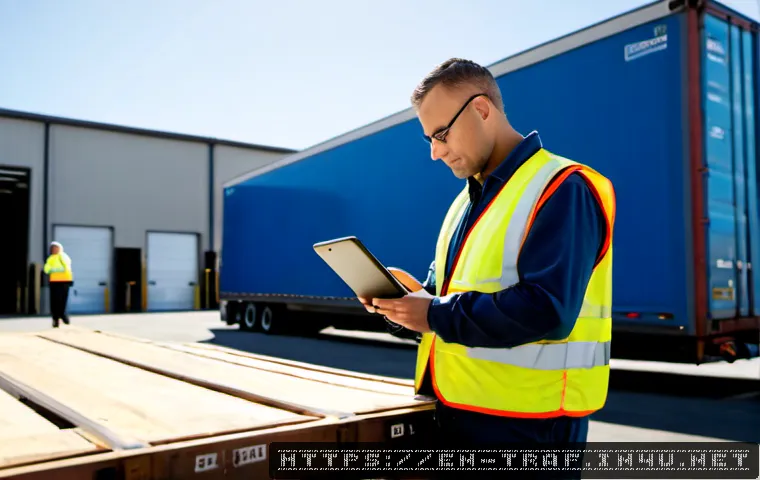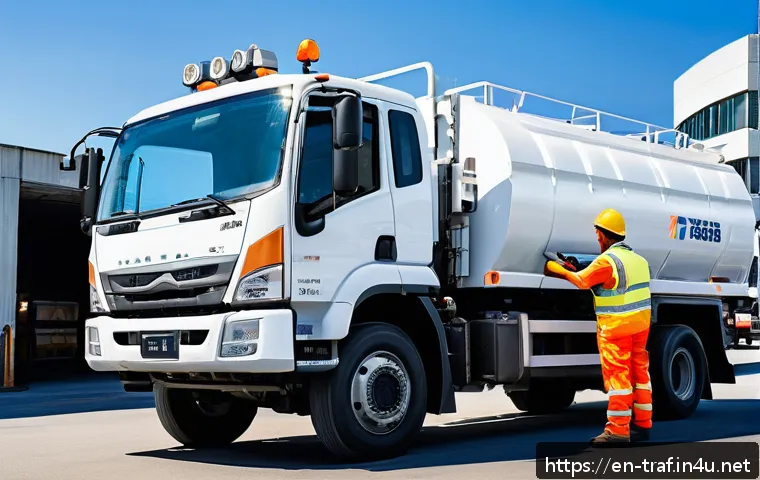
Breaking into the transportation industry can open doors to a dynamic and ever-evolving career path. With advancements in technology and increasing demands for efficient logistics, understanding the right strategies is more important than ever.

Whether you’re aiming for roles in supply chain management, urban transit, or freight operations, positioning yourself effectively is key. Navigating certifications, networking, and industry trends can make all the difference.
Ready to uncover the essential tips that will set you apart in this competitive field? Let’s dive in and explore the winning strategies together!
Mastering Industry-Specific Certifications to Boost Your Profile
Understanding Which Certifications Matter Most
When I first stepped into the transportation industry, I quickly realized that not all certifications carry the same weight. Depending on whether you’re eyeing supply chain management, freight logistics, or urban transit planning, the certifications you pursue can drastically influence your employability and salary potential.
For example, a Certified Supply Chain Professional (CSCP) is highly regarded in logistics, whereas a Commercial Driver’s License (CDL) is essential for freight operations.
Knowing the nuances of these certifications early on can save you time and resources while positioning you as a serious candidate.
How to Prepare for Certification Exams Effectively
The certification exams in transportation fields are notoriously challenging, but with the right approach, passing them becomes manageable. From my experience, breaking down the syllabus into smaller, daily study goals helps reduce overwhelm.
Using real-life scenarios and case studies during preparation makes the material stick better. Additionally, joining online forums or study groups provided me with fresh insights and motivation.
Don’t underestimate the power of practice exams—they simulate the test environment and highlight your weak points.
Leveraging Certifications to Negotiate Better Roles
Having a certification in your arsenal is not just about passing an exam; it’s a powerful bargaining chip during job interviews and salary negotiations.
I’ve noticed that recruiters often treat certified candidates as more reliable and ready to take on complex tasks without extensive training. Highlighting your certifications in resumes and LinkedIn profiles can boost visibility and attract recruiters looking for those exact qualifications.
Moreover, some companies offer salary premiums or bonuses for employees with advanced certifications, which is a win-win for your career growth and income.
Building a Strategic Network Within the Transportation Sector
Finding the Right People to Connect With
Networking isn’t just about collecting contacts; it’s about building meaningful relationships that can open doors to opportunities. Early on, I targeted professionals in roles I aspired to by attending transportation expos, webinars, and local industry meetups.
LinkedIn became an invaluable tool for reaching out to seasoned veterans and peers alike. When reaching out, I always personalized messages by referencing recent projects or shared interests, which made the conversations more genuine and fruitful.
Utilizing Industry Events and Conferences
Attending conferences was a game-changer for me. They’re rich grounds for learning about emerging trends and for informal chats that can lead to referrals.
I found that preparing thoughtful questions beforehand and actively participating in panel discussions helped me stand out. Beyond the formal sessions, casual networking during coffee breaks or dinners often resulted in the most valuable connections.
Plus, many events now offer virtual attendance, making it easier to join and engage without geographical constraints.
Maintaining and Growing Your Network Over Time
Building a network is just the start; nurturing it is where many stumble. I make it a habit to check in with key contacts every few months—sharing relevant articles, congratulating them on career milestones, or just catching up.
This consistent engagement keeps relationships warm and builds trust. Also, offering help when possible, whether it’s sharing job leads or advice, reinforces reciprocity.
Over time, this approach has created a supportive web that I can rely on during job searches or career shifts.
Staying Ahead with Emerging Technology Trends
Embracing Automation and AI in Transportation
Technology is reshaping transportation faster than ever. Personally, diving into how automation and AI optimize logistics and route planning gave me a competitive edge.
For instance, companies now use AI-powered predictive analytics to reduce delivery times and costs. Learning about these tools through online courses and experimenting with simulation software helped me understand their real-world impact.
Employers are increasingly seeking candidates who can not only adapt to but also innovate with these technologies.
Exploring Sustainable and Green Transportation Initiatives
Sustainability is no longer a buzzword but a core focus in the transportation sector. I noticed that candidates knowledgeable about electric vehicles, alternative fuels, and green supply chains stand out.
Getting involved in projects or volunteering with organizations that promote eco-friendly transport initiatives can provide practical experience. Additionally, staying updated on government policies and incentives related to sustainability helps in anticipating industry shifts and positioning yourself as a forward-thinking professional.
Adapting to Digital Supply Chain Management Tools
The shift to digital platforms for supply chain management has been revolutionary. Tools like blockchain for transparency, IoT for real-time tracking, and cloud-based inventory systems are now standard.
I spent time mastering popular software like SAP and Oracle SCM, which not only enhanced my resume but also prepared me to hit the ground running in roles requiring digital fluency.
Being tech-savvy in this area signals to employers that you’re ready to contribute to efficiency and innovation from day one.
Crafting a Resume That Speaks the Language of Transportation
Highlighting Relevant Experience and Skills
One of the biggest lessons I learned was tailoring my resume to reflect the specific demands of transportation roles. Generic resumes rarely catch the eye of recruiters here.
Instead, I focused on quantifiable achievements—like reducing delivery times by X% or managing fleets of Y vehicles. Incorporating keywords from job descriptions, such as “logistics optimization” or “fleet management,” also helped my application pass through Applicant Tracking Systems (ATS) more effectively.
Showcasing Soft Skills Alongside Technical Expertise
Transportation roles require a unique blend of hard and soft skills. While technical know-how is crucial, communication, problem-solving, and adaptability often make the difference in day-to-day success.

I made sure to weave stories of teamwork, crisis management, and leadership into my cover letters and interviews. Employers appreciate candidates who can navigate operational challenges while maintaining smooth collaboration across departments.
Using Digital Portfolios and LinkedIn to Your Advantage
Beyond the traditional resume, creating a digital portfolio that includes project summaries, certifications, and recommendations can set you apart. I found that sharing case studies or visual data on platforms like LinkedIn not only showcases my expertise but also invites engagement from industry peers.
Regularly posting insights or commenting on transportation trends further builds your personal brand and attracts recruiters’ attention.
Understanding the Dynamics of Urban and Freight Transit
Diving Deep Into Urban Transit Systems
Urban transit is a complex ecosystem involving buses, subways, and emerging micro-mobility solutions. Gaining hands-on experience or internships in city transit agencies helped me understand the operational challenges and regulatory environment.
Learning how technology integrates with public transportation—from scheduling software to contactless payments—provides a holistic view that employers value.
Plus, awareness of community impact and sustainability goals adds an empathetic edge to your profile.
Navigating the Freight and Logistics Landscape
Freight transportation involves managing the movement of goods across regions and borders, requiring a keen eye on efficiency and compliance. I immersed myself in learning about freight forwarding, customs regulations, and carrier relationships to build practical knowledge.
Understanding how to optimize routes, handle documentation, and manage risk is vital. Freight companies look for candidates who can balance cost-effectiveness with regulatory adherence seamlessly.
Key Differences and Synergies Between Both Sectors
Though urban transit and freight operate in different spheres, they share challenges like traffic congestion, environmental concerns, and technology adoption.
Recognizing these overlaps allowed me to apply best practices from one area to another during project discussions. Employers appreciate candidates who can think cross-functionally and propose integrated solutions that benefit the broader transportation network.
Exploring Career Paths Beyond Traditional Roles
Opportunities in Transportation Technology and Innovation
The rise of startups and tech firms focused on transportation has opened exciting career avenues. Roles in software development, data analysis, and systems integration blend transportation knowledge with tech skills.
I explored coding bootcamps and data science courses to complement my industry background, which broadened my options. Companies in autonomous vehicles, smart logistics, and mobility-as-a-service are actively scouting for professionals with hybrid expertise.
Consulting and Advisory Positions in Transportation
Consulting offers a chance to work on diverse projects and shape industry strategy. I found that building strong analytical skills and staying abreast of regulatory changes positioned me well for advisory roles.
Consultants often need to communicate complex ideas clearly to clients, so honing presentation and interpersonal skills is critical. The variety and impact of consulting work make it an attractive path for those who enjoy problem-solving and dynamic environments.
Entrepreneurial Ventures and Startups in Transportation
If you have a flair for innovation and risk-taking, launching a startup in transportation can be rewarding. I’ve met professionals who turned pain points they observed on the job into business ideas, from last-mile delivery solutions to green logistics platforms.
While challenging, entrepreneurship allows you to directly influence the future of transportation and create value. Networking, market research, and a solid business plan are essential to increase your chances of success.
Key Certifications and Their Impact on Career Growth
| Certification | Industry Focus | Typical Roles | Benefits |
|---|---|---|---|
| Certified Supply Chain Professional (CSCP) | Logistics & Supply Chain | Supply Chain Manager, Logistics Analyst | Enhances strategic understanding; boosts salary potential |
| Commercial Driver’s License (CDL) | Freight & Transportation | Truck Driver, Freight Operator | Legal requirement; opens entry-level driving jobs |
| Project Management Professional (PMP) | General Transportation Projects | Project Manager, Operations Coordinator | Improves management skills; increases leadership opportunities |
| Transportation Worker Identification Credential (TWIC) | Port and Maritime Operations | Port Worker, Security Personnel | Access to secure areas; compliance with regulations |
| Lean Six Sigma Certification | Process Improvement in Transportation | Operations Manager, Quality Analyst | Enhances efficiency; reduces operational costs |
In Conclusion
Mastering industry-specific certifications and building a strong professional network are essential steps to stand out in the transportation sector. Embracing emerging technologies and tailoring your resume to the industry’s unique demands can significantly enhance your career prospects. By staying proactive and continuously upgrading your skills, you position yourself for long-term success in this evolving field.
Useful Tips to Keep in Mind
1. Choose certifications that align closely with your career goals to maximize their impact on your job opportunities and salary.
2. Break down your study plan into manageable daily goals and engage with study groups to stay motivated and retain knowledge better.
3. Use your certifications strategically in job applications and interviews to demonstrate your expertise and commitment.
4. Attend industry events regularly to build meaningful connections and stay updated on the latest trends and innovations.
5. Keep your skills current by exploring new technologies like AI, automation, and sustainable transportation initiatives.
Key Takeaways for Career Advancement
Understanding which certifications carry the most value in your chosen transportation niche is crucial for targeted professional growth. Networking isn’t just about quantity but cultivating genuine relationships that can open doors to new opportunities. Staying ahead with technological advancements and showcasing both your technical and soft skills make you a well-rounded candidate. Finally, consider exploring diverse career paths, from consulting to entrepreneurship, to find the best fit for your ambitions and talents.
Frequently Asked Questions (FAQ) 📖
Q: What certifications are most valuable for someone starting a career in the transportation industry?
A: Certifications like the Certified Supply Chain Professional (CSCP), Certified in Transportation and Logistics (CTL), and the Transportation Worker Identification Credential (TWIC) are highly regarded.
These credentials not only validate your knowledge but also demonstrate your commitment to the field. From my experience, having at least one recognized certification opens many doors, especially when competing against candidates with similar backgrounds.
Q: How important is networking in advancing within the transportation sector?
A: Networking is absolutely crucial. The transportation industry relies heavily on relationships and insider knowledge about new opportunities or emerging trends.
Attending industry conferences, joining relevant professional groups on LinkedIn, and participating in local transportation associations can significantly boost your chances.
I’ve personally landed roles and gained valuable insights simply by connecting with the right people at the right time.
Q: What current trends should I be aware of to stay competitive in transportation careers?
A: Staying updated on technology advancements like automation, GPS tracking, and green logistics is essential. The shift toward sustainability and the integration of AI in logistics planning are reshaping the industry rapidly.
From what I’ve seen, professionals who proactively learn about these trends and adapt their skills accordingly tend to move up faster and have more fulfilling careers.