As cities worldwide grapple with increasing traffic congestion and environmental concerns, innovative solutions are no longer a luxury but a necessity.
In 2024, smart traffic technologies are stepping into the spotlight, transforming how urban mobility operates with unprecedented efficiency. From AI-driven traffic signals to real-time data analytics, these advancements promise smoother commutes and reduced emissions.
If you’ve ever found yourself stuck in gridlock wondering if there’s a better way, this evolving landscape offers hope. Let’s explore how these cutting-edge tools are reshaping our daily journeys and what it means for the future of city living.
Revolutionizing Urban Flow with Adaptive Traffic Control
How Smart Signals Learn and Respond
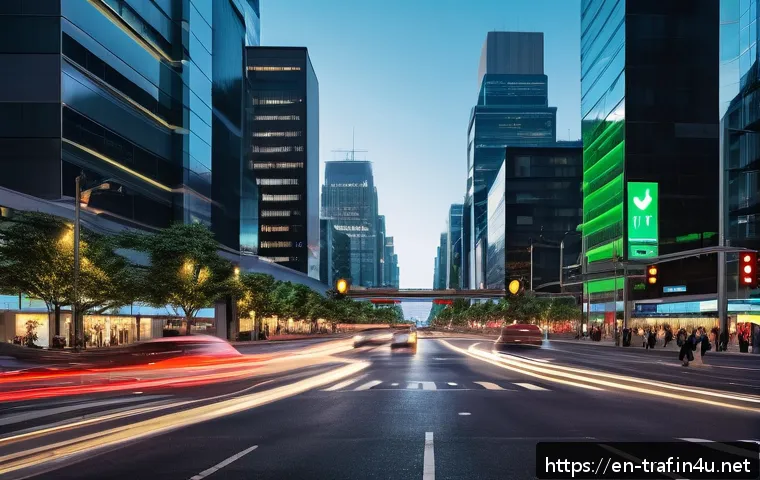
Adaptive traffic signals are no longer just a futuristic idea; they’re actively changing the way cities manage congestion. Unlike traditional timed lights, these systems use real-time data from cameras, sensors, and even connected vehicles to adjust signal timings dynamically.
What’s fascinating is how these signals “learn” traffic patterns over time, optimizing green light durations during rush hours and quickly adapting to unexpected changes like accidents or roadworks.
From personal experience, I noticed that my usual 15-minute wait at a busy intersection was cut down to under 5 minutes after the city implemented these smart signals, making my commute noticeably smoother.
Balancing Traffic Flow and Pedestrian Safety
One of the biggest challenges for adaptive signals is ensuring pedestrian safety while keeping traffic moving. Modern systems integrate pedestrian sensors and AI algorithms to prioritize crosswalks when foot traffic is heavy, without causing long vehicle backups.
I’ve seen this work well in my neighborhood where the system intuitively extends crossing times during school hours and shortens them when foot traffic is low, maintaining a delicate balance that benefits everyone.
This kind of smart responsiveness is vital for making cities more walkable and reducing accidents.
Challenges in Implementation and Maintenance
Despite the clear benefits, deploying adaptive traffic control across an entire city isn’t straightforward. It requires significant investment in infrastructure, ongoing maintenance, and data privacy considerations.
Cities must also train staff to manage and troubleshoot these systems. In some cases, older roads and intersections aren’t easily retrofitted with the necessary sensors and communication devices, slowing down widespread adoption.
Still, the long-term payoff in reduced congestion and emissions makes these hurdles worth tackling.
Harnessing Data Analytics for Smarter Mobility Decisions
From Raw Data to Actionable Insights
Cities today collect an enormous amount of traffic data—from vehicle counts and speeds to weather conditions and incident reports. What sets the latest technologies apart is their ability to process this data in real-time and extract actionable insights.
This means traffic managers can anticipate bottlenecks before they form and deploy countermeasures such as adjusting signal timings or sending alerts to drivers via apps.
I’ve personally appreciated receiving timely rerouting notifications during unexpected road closures, saving me valuable time.
Predictive Analytics for Proactive Management
Going beyond reaction, predictive analytics uses historical data and machine learning to forecast traffic trends hours or even days in advance. This enables cities to prepare for events like concerts, sports games, or holidays by adjusting traffic controls proactively.
For example, during a major event near my city’s stadium, the system predicted heavy inbound traffic and adjusted bus schedules and traffic signals accordingly, preventing what could have been a gridlock nightmare.
Integrating Multiple Data Sources for a Holistic View
One of the strengths of modern traffic analytics is the integration of diverse data sources—from public transit schedules and ride-sharing activity to social media feeds reporting incidents.
This comprehensive perspective allows for more accurate traffic modeling and better communication with commuters. In practice, this means your navigation app can warn you about a sudden protest or parade hours in advance, allowing you to plan your route accordingly.
Transforming Public Transit with Real-Time Connectivity
Improving Reliability and Rider Experience
Real-time tracking of buses, trams, and trains has become a game-changer for public transit. Riders no longer have to guess arrival times or face unexpected delays.
Instead, apps provide live updates, accurate ETAs, and even crowding information. I’ve found this particularly useful during peak hours when knowing how crowded a bus will be helps me decide whether to wait or catch an alternative route.
This transparency builds trust and encourages more people to choose public transit over driving.
Dynamic Scheduling to Match Demand
Transit agencies are increasingly using real-time data to adjust schedules on the fly, deploying more vehicles when demand spikes and scaling back during quieter times.
This flexibility not only improves efficiency but also reduces operational costs. I recall a weekend when a sudden surge in passengers after a city-wide event led to additional buses being dispatched within minutes, keeping wait times minimal.
Seamless Integration with Other Modes of Transport
Smart transit systems are also embracing multimodal connectivity, allowing riders to combine bike-sharing, scooters, and rideshares with buses and trains effortlessly.
Payment systems are evolving too, with contactless options that work across all transport modes. From my experience, being able to plan a trip that includes a bike ride to the station, a bus ride downtown, and a rideshare for the last mile—all paid through a single app—has made urban travel far less stressful.
Electric and Autonomous Vehicles: The Next Mobility Frontier
Reducing Emissions and Noise Pollution
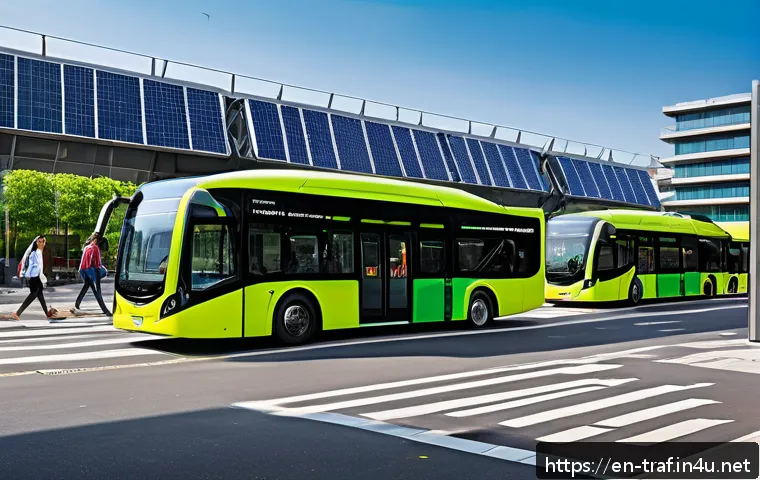
Electric vehicles (EVs) are becoming more common in city fleets, from buses to taxis, significantly cutting down on emissions and noise pollution. Cities investing in EV infrastructure, like charging stations and dedicated lanes, are seeing improvements in air quality.
I recently switched to an electric car for my daily commute and noticed not only the environmental benefits but also the quieter, smoother ride compared to my old gas car.
Autonomous Vehicles and Traffic Optimization
While fully autonomous cars are still emerging, pilot programs in some cities have shown promising results in traffic flow improvements. Autonomous vehicles can communicate with traffic systems and each other to maintain optimal speeds and safe distances, reducing stop-and-go conditions.
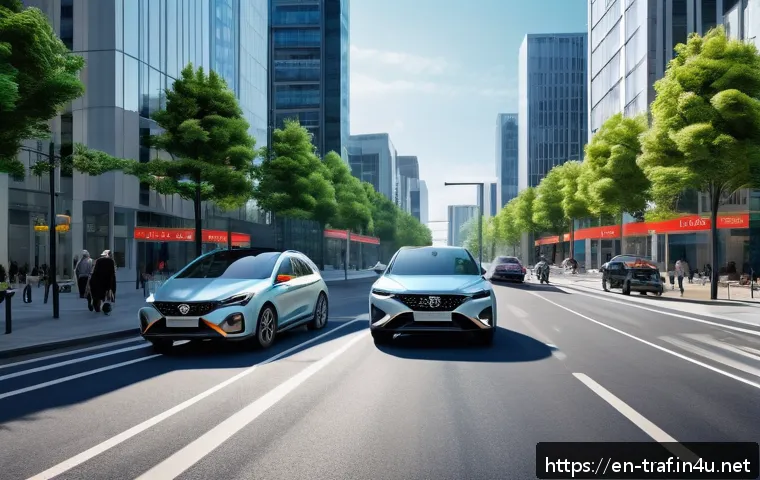
I witnessed a test fleet navigating downtown streets, and it was impressive how the cars synchronized smoothly, hinting at a future where traffic jams might be significantly reduced.
Challenges in Safety and Public Acceptance
Despite technological advances, autonomous and electric vehicles face hurdles like regulatory approval, cybersecurity concerns, and public trust. Many people I talk to express hesitation about sharing the road with driverless cars, and cities must invest heavily in safety protocols and public education.
Nonetheless, the potential benefits in sustainability and efficiency make this transition an exciting prospect.
Empowering Drivers with Connected Vehicle Technology
Real-Time Alerts and Hazard Warnings
Connected vehicle technology enables cars to communicate with each other and with infrastructure to share critical information like accidents, sudden braking, or road hazards.
From personal experience, receiving a warning about debris on the highway seconds before reaching it gave me enough time to slow down safely, highlighting how lifesaving this technology can be.
Enhancing Navigation with Up-to-the-Minute Data
Modern navigation systems now tap into connected vehicle networks to provide the most accurate routing options. Unlike traditional GPS, these systems can adjust in real-time for traffic jams, weather changes, or construction zones.
I’ve come to rely on these dynamic updates to avoid frustrating delays, especially during busy holiday travel.
Supporting Eco-Driving and Fuel Efficiency
Connected vehicles can also coach drivers toward more fuel-efficient behaviors by analyzing acceleration, braking, and speed patterns. This not only saves money but reduces emissions.
After using an eco-driving app linked to my car’s system, I noticed a measurable drop in fuel consumption, proving that small changes in driving style can have a big impact.
Data Privacy and Security in Smart Traffic Systems
Protecting Personal Information in a Connected World
With so much data flowing through smart traffic systems, safeguarding personal information is paramount. Cities and technology providers must implement robust encryption and strict access controls to prevent misuse.
I’ve become more aware of privacy issues after reading about data breaches and now appreciate transparency from service providers about how my data is used.
Mitigating Cybersecurity Risks
Smart traffic infrastructure is vulnerable to cyberattacks that could disrupt traffic flow or compromise safety. Regular security audits, software updates, and collaboration between public and private sectors are essential to defend against these threats.
Knowing that my city prioritizes cybersecurity gives me confidence in using these advanced systems daily.
Building Public Trust Through Transparency
For smart traffic technologies to be widely accepted, officials must communicate openly about data collection practices and the benefits of these systems.
Public engagement campaigns and easy-to-understand privacy policies help build trust. In my community, town hall meetings discussing new traffic initiatives have made residents feel involved and reassured.
Comparing Key Smart Traffic Technologies and Their Benefits
| Technology | Primary Benefit | Typical Use Case | Challenges |
|---|---|---|---|
| Adaptive Traffic Signals | Reduced wait times, improved flow | Busy intersections with variable traffic | High installation cost, maintenance |
| Real-Time Data Analytics | Proactive congestion management | City-wide traffic monitoring | Data privacy, integration complexity |
| Connected Vehicle Systems | Enhanced safety, driver alerts | Highway hazard warnings | Cybersecurity risks, adoption rate |
| Electric & Autonomous Vehicles | Lower emissions, smoother traffic | Public transit fleets, pilot zones | Public acceptance, regulatory hurdles |
| Dynamic Public Transit Scheduling | Better resource allocation | Event-driven transit demand | Data accuracy, system complexity |
In Conclusion
Adaptive traffic technologies are transforming urban mobility by making traffic flow smarter, safer, and more efficient. From real-time data to autonomous vehicles, these innovations improve daily commutes and reduce environmental impact. While challenges remain, the benefits for cities and residents are clear and promising. Embracing these advancements will shape the future of urban transportation for the better.
Helpful Information to Know
1. Adaptive traffic signals adjust in real time to reduce wait times and ease congestion during peak hours.
2. Predictive analytics help cities prepare for events by forecasting traffic patterns ahead of time.
3. Real-time public transit updates improve rider experience by providing accurate arrival times and crowding information.
4. Electric and autonomous vehicles contribute to cleaner air and quieter streets while optimizing traffic flow.
5. Data privacy and cybersecurity are critical components to ensure safe and trustworthy smart traffic systems.
Key Takeaways
Smart traffic management relies on integrating advanced technologies like adaptive signals, connected vehicles, and real-time analytics to create more efficient and sustainable urban environments. Success depends on balancing innovation with infrastructure investment, public trust, and ongoing maintenance. By focusing on safety, transparency, and responsiveness, cities can overcome challenges and enhance mobility for all road users.
Frequently Asked Questions (FAQ) 📖
Q: How do
A: I-driven traffic signals improve daily commutes? A1: AI-driven traffic signals adapt in real time to changing traffic patterns, which means they can reduce unnecessary stops and shorten wait times at intersections.
From my experience living in a busy city, these smart signals have noticeably eased rush hour stress by smoothing traffic flow. They analyze data from cameras and sensors to prioritize green lights where traffic is heaviest, which helps prevent bottlenecks and keeps vehicles moving more efficiently.
This not only cuts down commute times but also reduces fuel consumption and emissions.
Q: What role does real-time data analytics play in reducing urban congestion?
A: Real-time data analytics gathers and processes information from multiple sources—like GPS devices, traffic cameras, and even social media reports—to provide an up-to-the-minute picture of city traffic conditions.
In practice, this means traffic management centers can quickly identify and respond to incidents such as accidents or road closures, rerouting vehicles before congestion worsens.
Personally, I’ve noticed apps that use this data to suggest alternate routes have saved me from getting stuck in jams several times. This proactive approach improves overall traffic flow and lowers pollution by preventing long idling times.
Q: Are these smart traffic technologies cost-effective for cities to implement?
A: While the initial investment in smart traffic systems can be significant, many cities find that the long-term benefits outweigh the costs. Reduced congestion leads to less time wasted on the road, which boosts productivity and decreases fuel expenses for drivers.
Moreover, cutting emissions helps cities meet environmental goals, potentially unlocking government grants or subsidies. From what I’ve seen in cities that have already adopted these technologies, improved traffic efficiency can lead to substantial economic savings and better quality of life, making it a worthwhile investment.