Traffic congestion, unexpected delays, and evolving transportation technologies have become everyday challenges for professionals in the field. As cities grow and commuting patterns shift, navigating these complexities requires not only expertise but also adaptability and quick decision-making.
In this post, I’ll take you through a typical day in the life of a transportation professional, sharing firsthand experiences and insights into managing real-world traffic hurdles.
Whether you’re curious about how traffic flow is optimized or interested in the latest trends shaping urban mobility, this glimpse behind the scenes offers valuable perspectives you won’t want to miss.
Let’s dive into the dynamic world where strategy meets the daily grind of keeping cities moving smoothly.
Understanding Peak Hour Traffic Patterns
Analyzing Congestion Hotspots
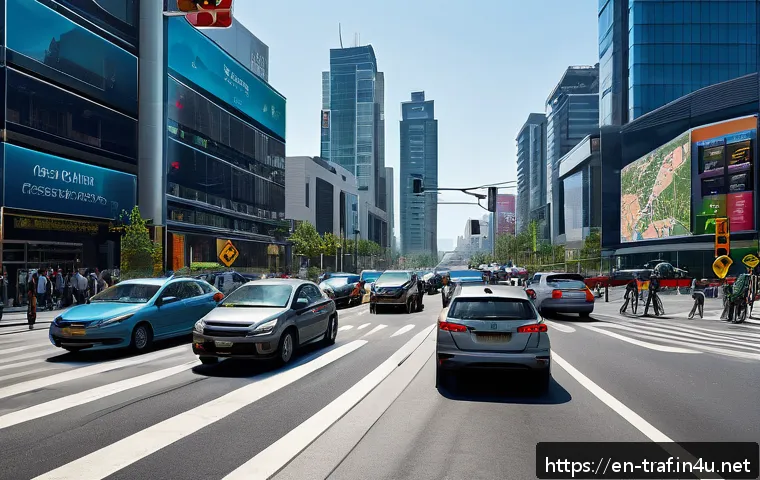
Every morning, the challenge begins with pinpointing the exact locations where congestion tends to spike. From my experience, these hotspots are rarely static; they shift subtly based on construction projects, weather conditions, or even special events.
For instance, a road under maintenance can divert traffic unexpectedly, causing a ripple effect across adjacent streets. What’s fascinating is how data collected from traffic cameras and sensors can reveal these patterns, allowing for targeted interventions.
On one particularly hectic Tuesday, I noticed a recurring backup near a major intersection that wasn’t accounted for in previous models. Investigating on the ground, I found a newly opened shopping center was drawing more vehicles than anticipated, prompting us to adjust signal timings to ease the flow.
Timing Traffic Signals for Efficiency
Signal timing is an art and science all at once. Adjusting traffic lights to synchronize with peak traffic flows can shave off precious minutes for thousands of commuters.
I recall working with a team to implement adaptive traffic signals that respond in real-time to traffic density. This system relies on continuous data feeds, and its success depends on fine-tuning algorithms regularly.
The results were impressive—during the first week, average wait times dropped by nearly 20%. However, it’s not just about reducing delays; it’s about balancing the flow so no single route suffers disproportionately.
The key takeaway here is the importance of constant monitoring and flexibility to tweak settings as conditions evolve.
Impact of Weather on Traffic Behavior
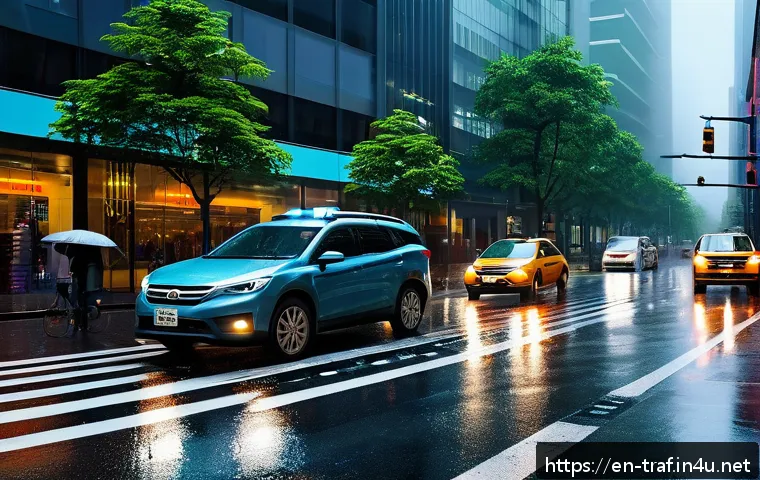
Weather conditions add another layer of complexity to managing urban traffic. Rain, snow, or fog can slow down drivers and increase accident risks, leading to unexpected delays.
I’ve personally witnessed how a sudden downpour during rush hour transformed a usually smooth corridor into a crawling mess. Our response involved deploying warning signs and adjusting traffic signal patterns to accommodate slower speeds safely.
Additionally, communicating these changes through traffic apps helps drivers make informed decisions. From experience, preemptive actions during adverse weather can significantly mitigate congestion and enhance safety.
Integrating Emerging Technologies in Traffic Management
Real-Time Data Analytics and AI
One of the most exciting developments I’ve encountered is the integration of AI-driven analytics in traffic systems. These tools can predict congestion before it happens by analyzing historical and real-time data simultaneously.
In practice, I saw how AI models suggested rerouting traffic away from a developing bottleneck minutes before it fully formed, preventing a major jam.
This proactive approach contrasts sharply with traditional reactive measures. However, the technology requires constant validation and updates to maintain accuracy, which means a close partnership between tech experts and traffic engineers is vital.
Vehicle-to-Infrastructure Communication
The concept of vehicles communicating directly with traffic signals and road infrastructure is no longer futuristic—it’s becoming a reality in many urban areas.
During a pilot project I was involved with, equipped vehicles transmitted speed and location data to traffic lights, which then adjusted their timing to prioritize smoother flow.
This kind of connectivity reduces stop-and-go driving, lowering emissions and improving commute times. The challenge lies in scaling this technology and ensuring privacy and security protocols are robust enough to gain public trust.
Smart Parking Solutions
Finding parking in crowded urban centers can significantly impact traffic patterns, as circling vehicles contribute to congestion. Implementing smart parking systems that provide real-time updates on available spots has been a game changer.
I’ve seen firsthand how these systems reduce unnecessary driving and improve overall traffic conditions. For example, in a downtown area where a smart parking app was launched, the average time spent searching for parking dropped by 30%, freeing up road space and lowering driver frustration.
Coordinating with Multiple Stakeholders for Smooth Operations
Collaboration with City Planners and Public Transit
Efficient traffic management hinges on seamless cooperation between various departments and agencies. I’ve spent countless hours coordinating with city planners, public transit authorities, and emergency services to ensure that traffic strategies align with broader urban mobility goals.
For example, integrating bus priority lanes during peak hours requires balancing the needs of public transit users with private vehicle drivers. These discussions often involve trade-offs but lead to more sustainable outcomes when done thoughtfully.
Engaging the Community and Drivers
Communicating traffic plans and changes to the public is crucial but often overlooked. From experience, drivers respond better when they understand the rationale behind new traffic patterns or restrictions.
Public feedback sessions and social media updates have proven invaluable in this regard. I recall a case where a new one-way street configuration initially sparked frustration, but after an outreach campaign explaining the benefits and expected improvements, acceptance grew, and traffic flow improved significantly.
Handling Unexpected Incidents and Emergencies
No matter how well planned, unforeseen events like accidents or road closures demand immediate action. On several occasions, I’ve had to coordinate rapid response teams, reroute traffic, and update digital signage to minimize disruption.
These high-pressure moments test the agility and communication skills of any transportation professional. What helps tremendously is having pre-established protocols and a reliable network of contacts to mobilize resources quickly.
Evaluating Traffic Management Performance
Key Performance Indicators (KPIs) for Traffic Flow
Measuring success in traffic management isn’t just about counting cars or delays; it involves multiple KPIs such as average travel time, stop frequency, and incident clearance rates.
I’ve worked with data analysts to develop dashboards that track these metrics daily, providing a clear picture of system performance. This data-driven approach allows us to identify problem areas and measure the impact of interventions objectively.
Using Feedback to Drive Continuous Improvement
Feedback loops are essential. Whether it comes from commuter surveys, traffic data, or frontline personnel, input informs better decision-making. I’ve personally found that incorporating driver feedback about problematic intersections or confusing signage has led to meaningful improvements.
Continuous learning and adaptation are part of what makes this field both challenging and rewarding.
Balancing Short-Term Fixes with Long-Term Planning
Sometimes, quick fixes like adjusting a signal timing can alleviate immediate issues but might not address underlying problems. I’ve learned to balance these short-term tactics with strategic planning that considers future growth and technological advancements.
For example, while deploying adaptive signals helped reduce current congestion, planning for autonomous vehicle integration requires a different mindset altogether.
Adapting to Changing Commuter Behaviors and Trends
The Rise of Micromobility Options
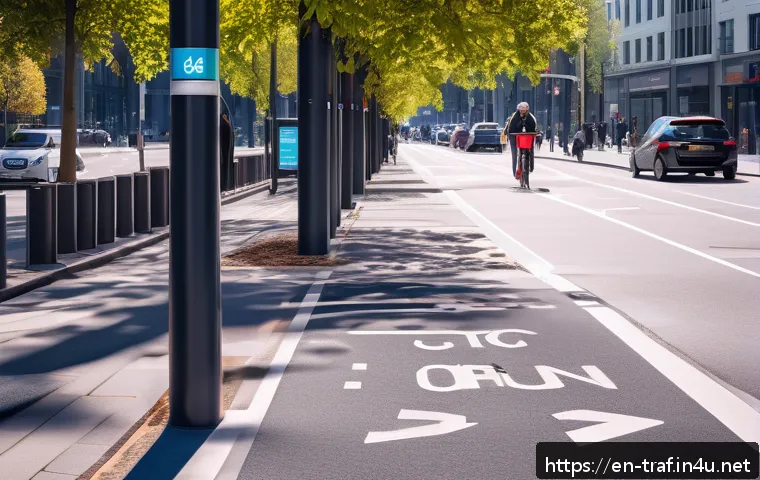
Electric scooters, bikes, and other micromobility options have changed how people navigate cities. Integrating these modes into existing infrastructure presents unique challenges.
I’ve been involved in pilot programs that install dedicated lanes and parking spots for micromobility devices, which not only improves safety but also encourages sustainable travel choices.
Observing these shifts firsthand, it’s clear that flexibility in planning is vital to accommodate evolving commuter preferences.
Remote Work and Its Impact on Traffic
The pandemic accelerated remote work adoption, leading to significant changes in traffic patterns. Early mornings and late afternoons, once the peak congestion periods, have become less predictable.
In my daily operations, this means constantly adjusting models and forecasts to reflect these new realities. While some roads see less volume, others experience mid-day spikes as people run errands or attend appointments outside traditional work hours.
Encouraging Public Transit Usage
Despite the popularity of personal vehicles and micromobility, public transit remains a cornerstone of urban mobility. Promoting its use involves improving reliability, safety, and convenience.
I’ve contributed to projects that enhance bus frequency and integrate real-time tracking apps, which have led to increased ridership. Encouraging a shift towards public transit helps alleviate road congestion and reduces environmental impact.
Strategies for Sustainable Urban Mobility
Implementing Green Traffic Policies
Sustainability is at the forefront of modern traffic management. I’ve participated in initiatives to reduce emissions by optimizing traffic flow and encouraging electric vehicle use.
For example, prioritizing green waves—synchronized signals that allow continuous movement at certain speeds—helps cut down idling time and pollution. Supporting infrastructure for EV charging is another critical piece that cities are rapidly adopting.
Promoting Multimodal Transportation Networks
Creating seamless connections between different modes of transport, such as buses, trains, bikes, and walking paths, makes cities more livable. I’ve been involved in designing transit hubs that integrate these options, reducing the need for private car trips.
Multimodal networks require careful planning to ensure safety and convenience but pay off by making urban travel more efficient and environmentally friendly.
Urban Design’s Role in Traffic Management
Beyond technology and policies, the physical layout of a city profoundly influences traffic behavior. Streetscapes that prioritize pedestrians and cyclists, incorporate green spaces, and limit car access in certain zones contribute to healthier and less congested urban environments.
Drawing from my experience, collaboration with urban designers and architects is essential to create spaces that support sustainable mobility.
| Traffic Challenge | Typical Cause | Common Solution | Observed Impact |
|---|---|---|---|
| Morning Peak Congestion | High volume, signal timing mismatch | Adaptive signal control | 20% reduction in wait times |
| Unexpected Road Closures | Construction, accidents | Real-time rerouting, signage updates | Minimized delays, improved safety |
| Weather-Induced Slowdowns | Rain, snow, fog | Speed advisories, adjusted signal timing | Lower accident rates, smoother flow |
| Parking Search Traffic | Limited parking availability | Smart parking apps | 30% less time spent searching |
| Micromobility Integration | New transport modes | Dedicated lanes and parking | Increased safety, sustainable travel |
Conclusion
Effectively managing urban traffic requires a dynamic approach that blends technology, collaboration, and community engagement. From adaptive signal timing to integrating new mobility options, the strategies discussed demonstrate how thoughtful planning can ease congestion and improve commuter experiences. Embracing innovation while responding to real-world challenges is key to building smarter, more sustainable cities.
Useful Information to Keep in Mind
1. Real-time traffic data and AI can proactively prevent congestion before it worsens, saving valuable time for commuters.
2. Weather conditions significantly impact traffic flow, making adaptive responses essential for safety and efficiency.
3. Collaborative efforts among city planners, transit agencies, and the public ensure traffic solutions meet diverse needs.
4. Smart parking systems reduce unnecessary driving and help alleviate urban congestion effectively.
5. Supporting multimodal transportation and green policies promotes sustainable urban mobility and reduces environmental impact.
Key Takeaways
Urban traffic management thrives on continuous monitoring and flexibility to adapt to changing conditions. Incorporating advanced technologies like AI and vehicle-to-infrastructure communication enhances responsiveness, while community engagement fosters public support. Balancing short-term fixes with long-term planning ensures solutions remain effective as cities evolve. Ultimately, integrating sustainable practices and multimodal options creates healthier, more efficient urban environments for everyone.
Frequently Asked Questions (FAQ) 📖
Q: How do transportation professionals manage unexpected traffic delays during rush hours?
A: From my experience working in urban traffic management, handling unexpected delays is all about staying proactive and flexible. When a sudden accident or road closure happens during rush hour, the key is quick communication with traffic control centers and using real-time data from sensors and cameras.
We often reroute traffic by adjusting signal timings or deploying quick-response teams to clear incidents faster. It’s a high-pressure situation, but having contingency plans and constantly monitoring conditions helps minimize the impact on commuters.
Q: What are some of the latest technologies shaping the future of urban mobility?
A: The field is evolving rapidly, and I’ve seen firsthand how innovations like smart traffic signals, AI-powered traffic prediction, and connected vehicle systems are transforming daily operations.
Electric scooters and bike-sharing programs also play a big role in reducing car dependency in city centers. Personally, I find adaptive signal control technology fascinating—it learns traffic patterns and adjusts in real-time, which significantly improves flow during peak times.
Keeping up with these trends is essential because they not only ease congestion but also contribute to sustainability goals.
Q: How do transportation experts balance long-term planning with the need for immediate problem-solving?
A: This balance is tricky but crucial. In my daily work, I juggle strategic planning—like expanding infrastructure or integrating new transit modes—with the urgent demands of day-to-day traffic incidents.
It’s about having a clear vision for the future while being nimble enough to handle surprises on the ground. We rely heavily on data analytics to inform both short- and long-term decisions, ensuring that immediate fixes don’t compromise future goals.
It’s a constant learning process, but that’s what makes the job rewarding.